Cancer Diagnostic Market Size, Share, Growth, Trends, Industry Analysis & Forecast 2026–2034
Buy NowGlobal Cancer Diagnostics Industry Overview: Revenue Projections, Testing Volumes, and Growth Trajectory
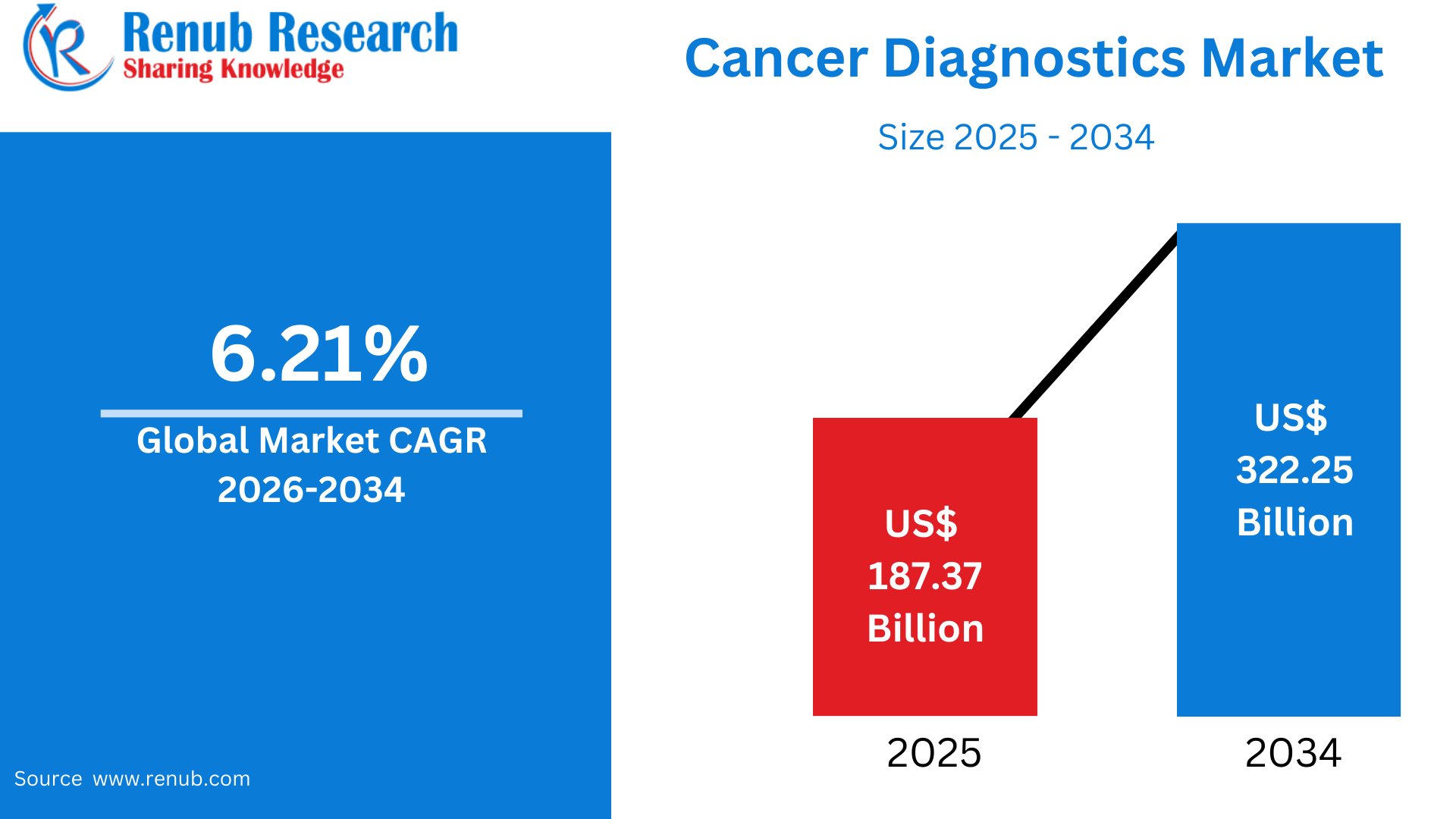
Global Cancer Diagnostic Market is projected to grow from US$ 187.37 billion in 2025 to US$ 322.25 billion by 2034, registering a compound annual growth rate (CAGR) of 6.21% during 2026–2034. Market growth is being fueled by the rising global burden of cancer, continuous advancements in molecular and genetic testing technologies, and the increasing adoption of companion diagnostics for personalized treatment strategies. In addition, expanding collaborations among diagnostic companies, healthcare providers, and research organizations are accelerating innovation, enhancing early cancer detection, and driving the adoption of advanced, accurate, and minimally invasive diagnostic solutions worldwide.
Cancer Diagnostic Industry Overview
Cancer diagnostics refers to the processes and technologies used to detect, confirm, and characterize cancer in patients. These methods include laboratory analyses, imaging technologies, molecular assays, and tissue examinations. By identifying abnormal cells, genetic mutations, and specific biomarkers, cancer diagnostics enable healthcare providers to determine cancer type, stage, and progression. Key tools include histopathology, immunohistochemistry, MRI, CT, PET scans, PCR tests, and next-generation sequencing. Early and accurate diagnosis supports timely treatment, improves clinical decision-making, and enhances survival rates. Technological advancements continue to improve test precision, speed, and accessibility, making modern diagnostics central to personalized oncology.
The cancer diagnostics market is expanding due to increasing cancer prevalence, heightened awareness about early testing, and rapid adoption of genomic and molecular technologies. Growth is reinforced by robust innovation pipelines, improved reimbursement for advanced diagnostics, and the global shift toward personalized healthcare. Companies are prioritizing development in liquid biopsies, MRD assays, and companion diagnostics that guide targeted therapies. Additionally, artificial intelligence in imaging and digital pathology enhances diagnostic accuracy and workflow efficiency. As healthcare systems emphasize early detection and precision treatment, demand for reliable cancer diagnostic tools continues to accelerate across established and emerging markets.
What is Cancer Diagnostic and Its Uses & Popularity Worldwide
Cancer diagnostics refers to the range of medical tests, imaging technologies, laboratory analyses, and molecular techniques used to detect, identify, classify, and monitor cancer. These diagnostic methods help determine the presence, type, stage, and progression of cancer, enabling physicians to develop personalized treatment plans and improve patient outcomes. Common cancer diagnostic tools include imaging techniques such as computed tomography (CT), magnetic resonance imaging (MRI), positron emission tomography (PET), mammography, ultrasound, X-rays, tissue biopsy, blood-based biomarkers, liquid biopsy, immunohistochemistry (IHC), next-generation sequencing (NGS), polymerase chain reaction (PCR), and companion diagnostics. These technologies support early cancer detection, treatment selection, disease monitoring, recurrence detection, and evaluation of therapeutic effectiveness. Advances in molecular diagnostics and artificial intelligence are further improving diagnostic accuracy while enabling faster and less invasive testing.
Globally, cancer diagnostics have become increasingly important due to the rising incidence of cancer and growing emphasis on early detection. According to international health estimates, nearly 20 million new cancer cases and approximately 9.7 million cancer-related deaths occurred worldwide in 2022, highlighting the urgent need for advanced diagnostic technologies. Governments, healthcare providers, and research institutions are investing heavily in cancer screening programs, precision medicine, and genomic testing to improve survival rates. Increasing adoption of minimally invasive liquid biopsy, AI-assisted imaging, and companion diagnostics is transforming cancer care by enabling earlier diagnosis and more personalized treatment. Growing healthcare expenditure, expanding laboratory infrastructure, and rising awareness of preventive healthcare continue to drive the worldwide popularity and adoption of cancer diagnostic technologies.
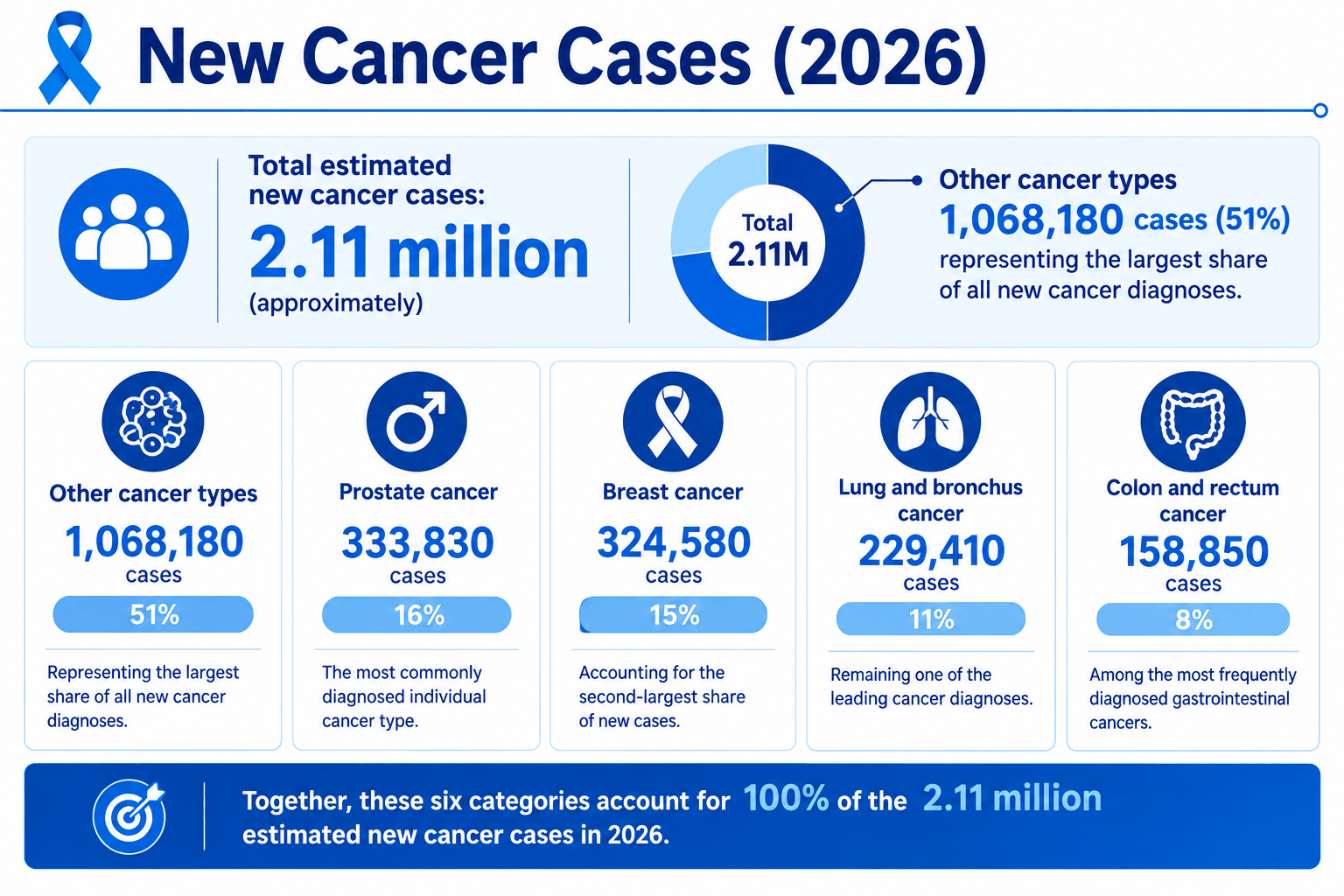
New Cancer Cases (2026)
- Total estimated new cancer cases: Approximately 2.11 million.
- Other cancer types: 1,068,180 cases (51%), representing the largest share of all new cancer diagnoses.
- Prostate cancer: 333,830 cases (16%), the most commonly diagnosed individual cancer type.
- Breast cancer: 324,580 cases (15%), accounting for the second-largest share of new cases.
- Lung and bronchus cancer: 229,410 cases (11%), remaining one of the leading cancer diagnoses.
- Colon and rectum cancer: 158,850 cases (8%), among the most frequently diagnosed gastrointestinal cancers.
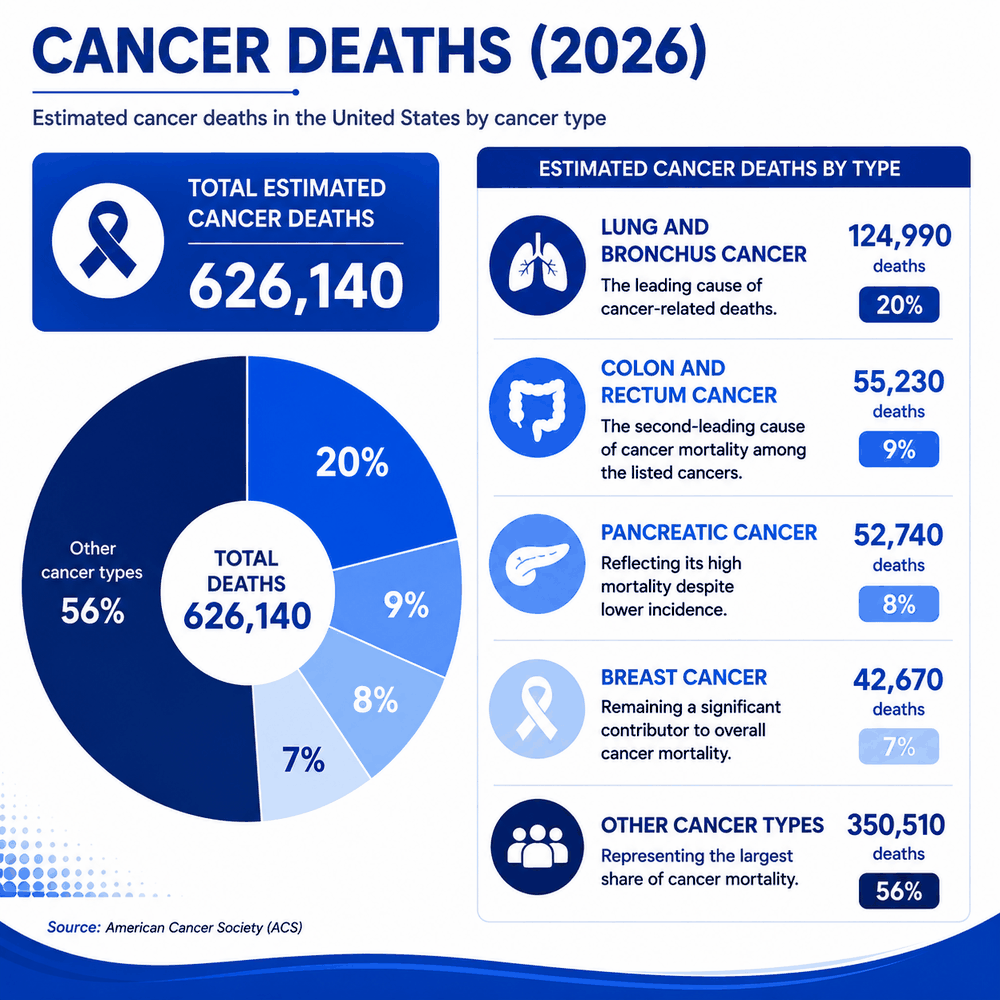
Cancer Deaths (2026)
- Total estimated cancer deaths: Approximately 626,140.
- Other cancer types: 350,510 deaths (56%), representing the largest share of cancer mortality.
- Lung and bronchus cancer: 124,990 deaths (20%), the leading cause of cancer-related deaths.
- Colon and rectum cancer: 55,230 deaths (9%), the second-leading cause of cancer mortality among the listed cancers.
- Pancreatic cancer: 52,740 deaths (8%), reflecting its high mortality despite lower incidence.
- Breast cancer: 42,670 deaths (7%), remaining a significant contributor to overall cancer mortality.
Key Insights
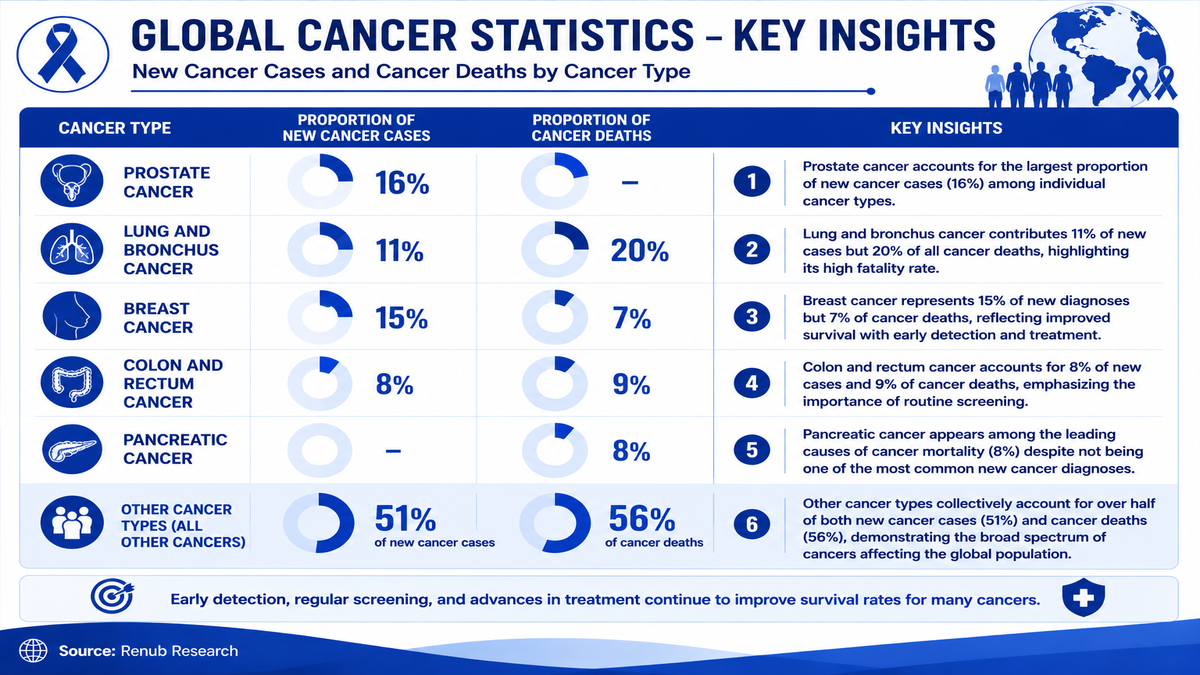
- Prostate cancer accounts for the largest proportion of new cancer cases (16%) among individual cancer types.
- Lung and bronchus cancer contributes 11% of new cases but 20% of all cancer deaths, highlighting its high fatality rate.
- Breast cancer represents 15% of new diagnoses but 7% of cancer deaths, reflecting improved survival with early detection and treatment.
- Colon and rectum cancer accounts for 8% of new cases and 9% of cancer deaths, emphasizing the importance of routine screening.
- Pancreatic cancer appears among the leading causes of cancer mortality (8%) despite not being one of the most common new cancer diagnoses.
- Other cancer types collectively account for over half of both new cancer cases (51%) and cancer deaths (56%), demonstrating the broad spectrum of cancers affecting the global population.
Growth Driver
Rising Global Cancer Incidence Increasing Demand for Early Diagnosis
The growing global burden of cancer is one of the strongest drivers of the cancer diagnostic market. According to international health estimates, nearly 20 million new cancer cases and approximately 9.7 million cancer-related deaths were reported worldwide in 2022. By 2050, annual cancer incidence is projected to exceed 33 million new cases, significantly increasing the need for accurate and timely diagnostic solutions. Early diagnosis is critical because cancers detected at earlier stages generally have substantially higher survival rates and lower treatment costs than advanced-stage disease. Governments worldwide are expanding national cancer screening programs for breast, colorectal, cervical, lung, and prostate cancers to improve early detection. Hospitals and diagnostic laboratories are also investing in advanced imaging systems, molecular testing, and biomarker-based assays to manage growing patient volumes. Increasing awareness regarding preventive healthcare, regular cancer screening, and personalized treatment planning continues to accelerate adoption of innovative diagnostic technologies, making early cancer detection one of the primary growth drivers of the global cancer diagnostic market.
Advancements in Molecular Diagnostics and Precision Medicine
Rapid technological innovation in molecular diagnostics is significantly transforming the cancer diagnostic market. Advanced technologies such as next-generation sequencing (NGS), polymerase chain reaction (PCR), liquid biopsy, digital pathology, fluorescence in situ hybridization (FISH), and companion diagnostics enable highly accurate identification of genetic mutations and cancer biomarkers. These technologies support precision oncology by helping physicians select targeted therapies based on individual tumor characteristics. Liquid biopsy has gained considerable attention because it provides minimally invasive detection of circulating tumor DNA (ctDNA), enabling early diagnosis and treatment monitoring without requiring surgical tissue biopsies. Artificial intelligence is also improving imaging interpretation, pathology workflows, and diagnostic accuracy by assisting clinicians in identifying abnormalities more efficiently. Increasing investments by pharmaceutical companies, biotechnology firms, and diagnostic manufacturers in genomic research continue to accelerate product innovation. As personalized medicine becomes standard practice across oncology, demand for advanced molecular diagnostic platforms is expected to expand significantly throughout the forecast period.
Expansion of Cancer Screening Programs and Healthcare Infrastructure
The expansion of organized cancer screening initiatives and improvements in healthcare infrastructure are major contributors to market growth. Governments across developed and emerging economies are investing heavily in population-based screening programs for breast, cervical, colorectal, prostate, and lung cancers to improve early diagnosis and reduce mortality rates. Growing healthcare expenditure has enabled hospitals and diagnostic laboratories to adopt advanced imaging equipment, automated laboratory systems, and molecular diagnostic platforms. Increasing availability of diagnostic services in developing countries has expanded patient access to cancer testing. Public awareness campaigns promoting routine screening, preventive healthcare, and early diagnosis have also increased participation rates in national screening programs. Digital health technologies, telepathology, and integrated laboratory information systems are further improving diagnostic efficiency and patient management. Continuous investments in healthcare modernization, laboratory automation, and artificial intelligence-supported diagnostics are expected to strengthen diagnostic capacity and support sustained growth of the global cancer diagnostic market over the coming decade.
Challenges
High Cost of Advanced Diagnostic Technologies
The high cost of advanced cancer diagnostic technologies remains a significant barrier to widespread market adoption. Sophisticated diagnostic platforms such as next-generation sequencing (NGS), PET-CT imaging, molecular pathology systems, digital pathology scanners, and liquid biopsy assays require substantial capital investment, specialized laboratory infrastructure, and highly trained personnel. Comprehensive genomic profiling and precision diagnostic testing can cost several hundred to several thousand dollars per patient depending on the complexity of analysis. In many low- and middle-income countries, limited healthcare budgets and inadequate reimbursement policies restrict patient access to these advanced diagnostic services. Smaller hospitals and diagnostic laboratories often struggle to justify investments in expensive equipment due to lower testing volumes. Additionally, ongoing maintenance, software upgrades, quality assurance, and regulatory compliance further increase operational costs. Reducing testing costs through automation, technological innovation, and broader reimbursement coverage will be essential for improving accessibility and supporting long-term market expansion.
Limited Access to Early Diagnosis and Skilled Healthcare Professionals
Despite continuous technological advancements, unequal access to cancer diagnostic services remains a major challenge globally. Many rural and underserved regions continue to experience shortages of specialized oncologists, pathologists, radiologists, molecular biologists, and trained laboratory professionals. Limited availability of advanced diagnostic laboratories and imaging facilities often delays cancer detection, resulting in diagnosis at later disease stages when treatment outcomes are less favorable. In several developing countries, screening participation remains low due to limited public awareness, inadequate healthcare infrastructure, financial constraints, and geographic barriers. Delays in pathology reporting and shortages of diagnostic equipment further contribute to extended waiting times for patients. In addition, increasing demand for complex molecular testing has created workforce shortages in specialized laboratory services. Expanding diagnostic infrastructure, strengthening healthcare workforce training, increasing public awareness of cancer screening, and improving access to affordable testing services will be critical for overcoming these barriers and supporting continued growth of the global cancer diagnostic market.
Cancer Diagnostic Product Launches Worldwide
- Roche Diagnostics (2025) – Launched the VENTANA MET (SP44) RxDx Assay, an immunohistochemistry (IHC) companion diagnostic designed to identify MET protein overexpression in non-small cell lung cancer (NSCLC) patients for targeted therapy selection.
- Guardant Health (2025) – Expanded the Guardant360 CDx liquid biopsy portfolio with additional genomic biomarkers for comprehensive tumor profiling and precision oncology applications across multiple solid tumors.
- Illumina (2025) – Introduced an enhanced TruSight Oncology (TSO) Comprehensive next-generation sequencing (NGS) assay for comprehensive genomic profiling of solid tumors, supporting personalized cancer treatment decisions.
- QIAGEN (2024) – Launched the QIAcuityDx Digital PCR System, enabling highly sensitive detection of cancer biomarkers and minimal residual disease (MRD) monitoring in clinical oncology laboratories.
- Agilent Technologies (2024) – Expanded its PD-L1 IHC Companion Diagnostic Portfolio with advanced immunohistochemistry assays supporting immunotherapy selection for multiple cancer indications.
- Thermo Fisher Scientific (2024) – Released the Oncomine Precision Assay GX, a rapid NGS-based molecular diagnostic panel for detecting clinically relevant genetic alterations in solid tumors.
- Abbott (2024) – Introduced an expanded Alinity m Molecular Oncology Testing Solution, providing automated molecular diagnostic workflows for cancer biomarker analysis and personalized medicine.
- Sysmex Corporation (2024) – Launched an advanced OncoGuide™ Cancer Gene Panel System, enabling simultaneous analysis of multiple cancer-related gene mutations for precision oncology applications.
- Bio-Rad Laboratories (2025) – Expanded its Droplet Digital PCR (ddPCR) Oncology Assay Portfolio, supporting highly sensitive liquid biopsy testing, circulating tumor DNA (ctDNA) detection, and treatment monitoring.
- Siemens Healthineers (2025) – Introduced new AI-powered oncology imaging and diagnostic workflow solutions, integrating advanced imaging analytics with clinical decision support to improve early cancer detection and diagnostic accuracy.
Rising Screening Programs Supporting Early Detection in Lung Cancer Diagnostics
The lung cancer diagnostic market represents one of the largest segments within the global cancer diagnostics industry due to the high incidence and mortality associated with lung cancer. Lung cancer accounts for approximately 12–13% of all new cancer cases worldwide and remains the leading cause of cancer-related deaths. Increasing implementation of low-dose computed tomography (LDCT) screening programs among high-risk populations has significantly improved early detection rates. Diagnostic technologies including CT scans, PET-CT, bronchoscopy, tissue biopsy, liquid biopsy, next-generation sequencing (NGS), and molecular biomarker testing are increasingly used to identify actionable genetic mutations such as EGFR, ALK, and KRAS. Growing adoption of companion diagnostics is enabling personalized treatment selection and improving patient outcomes. Artificial intelligence-assisted imaging is also enhancing diagnostic accuracy and reducing interpretation time. Rising smoking-related diseases, increasing environmental pollution, aging populations, and expanding access to molecular diagnostics continue to drive growth in the global lung cancer diagnostic market.
Prostate Cancer Diagnostic Expanding Precision Screening and Biomarker Testing
The prostate cancer diagnostic market continues to expand due to increasing disease prevalence and growing awareness regarding early diagnosis. Prostate cancer accounts for approximately 15% of all cancers diagnosed among men globally and is one of the most frequently diagnosed male cancers. Conventional diagnostic approaches include prostate-specific antigen (PSA) blood testing, digital rectal examination (DRE), magnetic resonance imaging (MRI), transrectal ultrasound (TRUS), and tissue biopsy. Increasing adoption of multiparametric MRI (mpMRI), genomic biomarker testing, and molecular diagnostics has significantly improved diagnostic accuracy while reducing unnecessary biopsies. Liquid biopsy technologies and genetic risk assessment are also gaining importance for disease monitoring and treatment selection. Aging populations, expanding men’s health awareness campaigns, and government-supported screening initiatives continue to increase testing volumes worldwide. Advances in AI-assisted radiology and precision oncology are further improving diagnosis and risk stratification, supporting sustained growth in the global prostate cancer diagnostic market.
Advanced Tissue and Liquid Biopsy Technologies Driving Cancer Biopsy Growth
The cancer biopsy market remains a cornerstone of oncology diagnostics because tissue examination continues to serve as the gold standard for confirming cancer diagnosis. Millions of biopsy procedures are performed annually worldwide across multiple cancer types including breast, lung, colorectal, liver, prostate, and skin cancers. Core needle biopsy, fine-needle aspiration, excisional biopsy, endoscopic biopsy, and image-guided biopsy remain widely utilized clinical procedures. In addition, minimally invasive liquid biopsy technologies are expanding rapidly by detecting circulating tumor DNA (ctDNA), circulating tumor cells (CTCs), and other cancer biomarkers from blood samples. These advanced techniques support early diagnosis, treatment monitoring, recurrence detection, and personalized therapy selection. Continuous improvements in molecular pathology, genomic sequencing, and biomarker analysis have enhanced diagnostic precision while reducing patient discomfort. Growing cancer incidence, increasing demand for minimally invasive procedures, and expanding adoption of precision medicine continue to strengthen the long-term growth prospects of the global cancer biopsy market.
Cancer Immunohistochemistry Market: Biomarker-Based Precision Oncology Fueling Expansion
The cancer immunohistochemistry (IHC) market is experiencing significant growth as biomarker analysis becomes increasingly important in precision cancer diagnosis. Immunohistochemistry utilizes antigen-antibody reactions to identify specific proteins expressed by tumor cells, helping pathologists classify cancers, determine tumor origin, and guide targeted therapy decisions. IHC is routinely used in diagnosing breast, lung, colorectal, prostate, lymphoma, melanoma, and numerous other malignancies. Biomarkers such as HER2, PD-L1, ER, PR, Ki-67, CD20, CD3, and ALK play essential roles in treatment selection and prognosis assessment. Increasing use of companion diagnostics for immunotherapy and targeted oncology drugs has significantly expanded IHC testing volumes worldwide. Digital pathology, automated staining systems, and AI-assisted image analysis are improving workflow efficiency and diagnostic consistency. Growing investments in biomarker discovery, personalized medicine, and precision oncology research continue to support strong demand for immunohistochemistry across hospitals, diagnostic laboratories, and cancer research institutions.
Expanding Healthcare Infrastructure Supporting Cancer Diagnostic Hospitals and Clinics Market Growth
Hospitals and specialized cancer clinics remain the primary end users of cancer diagnostic technologies due to their comprehensive diagnostic capabilities and multidisciplinary oncology services. Large healthcare institutions perform millions of cancer screening, imaging, pathology, biopsy, molecular diagnostic, and genomic testing procedures annually. These facilities are increasingly investing in advanced imaging equipment, automated pathology laboratories, next-generation sequencing platforms, liquid biopsy technologies, and artificial intelligence-based diagnostic systems to improve early detection and treatment planning. Rising global cancer incidence, expanding healthcare expenditure, and increasing patient awareness regarding preventive screening have significantly increased diagnostic workloads across hospitals and oncology centers. Many healthcare providers are establishing dedicated comprehensive cancer centers that integrate radiology, pathology, molecular diagnostics, surgery, and oncology services within a single facility. Continuous modernization of healthcare infrastructure, improved reimbursement policies, expansion of precision medicine programs, and growing adoption of digital pathology platforms are expected to sustain long-term growth of the global cancer diagnostic hospitals and clinics market.
Recent Developments in Cancer Diagnostic Market
- In March 2025, Daiichi Sankyo introduced DATROWAY in Japan as a treatment option for adults with hormone receptor–positive and HER2-negative (IHC 0, IHC 1+, or IHC 2+/ISH–) unresectable or recurrent breast cancer who previously received chemotherapy. The launch supports expanded treatment access for patients with limited therapeutic choices.
- In September 2025, F. Hoffmann-La Roche secured CE-IVDR approval for its VENTANA HER2 (4B5) assay. This authorization enables clinicians to determine HER2-ultralow status, helping identify metastatic breast cancer patients eligible for ENHERTU therapy. The test also gained approval for detecting HER2-positive biliary tract cancer in previously treated, unresectable, or metastatic cases eligible for ZIIHERA, reinforcing Roche’s leadership in breast cancer diagnostics and expanding personalized treatment pathways.
- In December 2024, Guardant Health entered a collaboration with Boehringer Ingelheim to pursue regulatory clearance and commercialization of the Guardant360 CDx liquid biopsy. The partnership aims to position the test as a companion diagnostic for zongertinib, an investigational covalent HER2-targeting tyrosine kinase inhibitor designed to minimize EGFR impact in non-small cell lung cancer.
- In November 2024, Danaher Corporation announced plans to launch two Centers of Innovation in Diagnostics to advance precision medicine. The first site, located in Newcastle, UK, will open in July and operate as Danaher’s first CLIA-CAP laboratory under Leica Biosystems, fostering joint research with pharmaceutical and academic partners.
- In June 2023, Blue Earth Diagnostics received FDA approval for POSLUMA, a radiohybrid PSMA-targeted PET imaging agent designed to improve detection and localization of prostate cancer. Built on proprietary rh technology, POSLUMA offers high-affinity imaging and potential future therapeutic applications.
Market Segmentation
Application
- Breast Cancer
- Colorectal Cancer
- Cervical Cancer
- Lung Cancer
- Prostate Cancer
- Skin Cancer
- Blood Cancer
- Kidney Cancer
- Liver Cancer
- Pancreatic Cancer
- Ovarian Cancer
- Others
Test Type
- Tumor Biomarkers Tests
- Imaging
- Biopsy
- Liquid Biopsy
- Immunohistochemistry
- In Situ Hybridization
End-User
- Diagnostic Centers
- Hospitals and Clinics
- Research Institutes
- Others
Country
North America
- United States
- Canada
Europe
- France
- Germany
- Italy
- Spain
- United Kingdom
- Belgium
- Netherlands
- Turkey
Asia Pacific
- China
- Japan
- India
- South Korea
- Thailand
- Malaysia
- Indonesia
- Australia
- New Zealand
Latin America
- Brazil
- Mexico
- Argentina
Middle East & Africa
- Saudi Arabia
- UAE
- South Africa
All the Key players have been covered from 5 Viewpoints:
- Overviews
- Key Person
- Recent Developments
- SWOT Analysis
- Revenue Analysis
Company Analysis:
- llumina
- Abbott Laboratories
- Thermo Fisher Scientific, Inc.
- QIAGEN N.V.
- Roche Holding AG.
- Pfizer, Inc.
- Koninklijke Philips N.V.
- bioMérieux
Report Details:
| Report Features | Details |
| Base Year |
2025 |
| Historical Period |
2022 - 2025 |
| Forecast Period |
2026 - 2034 |
| Market |
US$ Billion |
| Segment Covered |
Application, Test Type, End User and Countries |
| Countries Covered |
|
| Companies Covered |
|
| Customization Scope |
20% Free Customization |
| Post-Sale Analyst Support |
1 Year (52 Weeks) |
| Delivery Format |
PDF and Excel through Email (We can also provide the editable version of the report in PPT/Word format on request) |
Customization Services available
- Analysis of Market Size and Its Segments
- More Company Profiles (Upto 10 without any additional cost):
- Additional Countries (Other than mentioned Countries):
- Region/Country Specific Reports:
- Market Entry Strategy:
- Region-Specific Market Dynamics:
- Regional Market Share Analysis:
- Trade Analysis:
- Production Insights:
- Others Customized Requests:
For more information contact our analysts.
Need More Assistance?
- Talk to our analysts to get more precious information on the current market trends.
- Include more countries and segments and customize the report based on the final requirement.
- Get a competitive advantage in your industry by knowing the report findings and making a positive impact on your revenues and operations.
- Our analysts are always ready to provide more help and pertinent information if you need any additional assistance.