Protein Bar Market Size, Share, Growth, Trends, Industry Analysis & Forecast 2026–2034
Buy NowProtein Bar Market Size
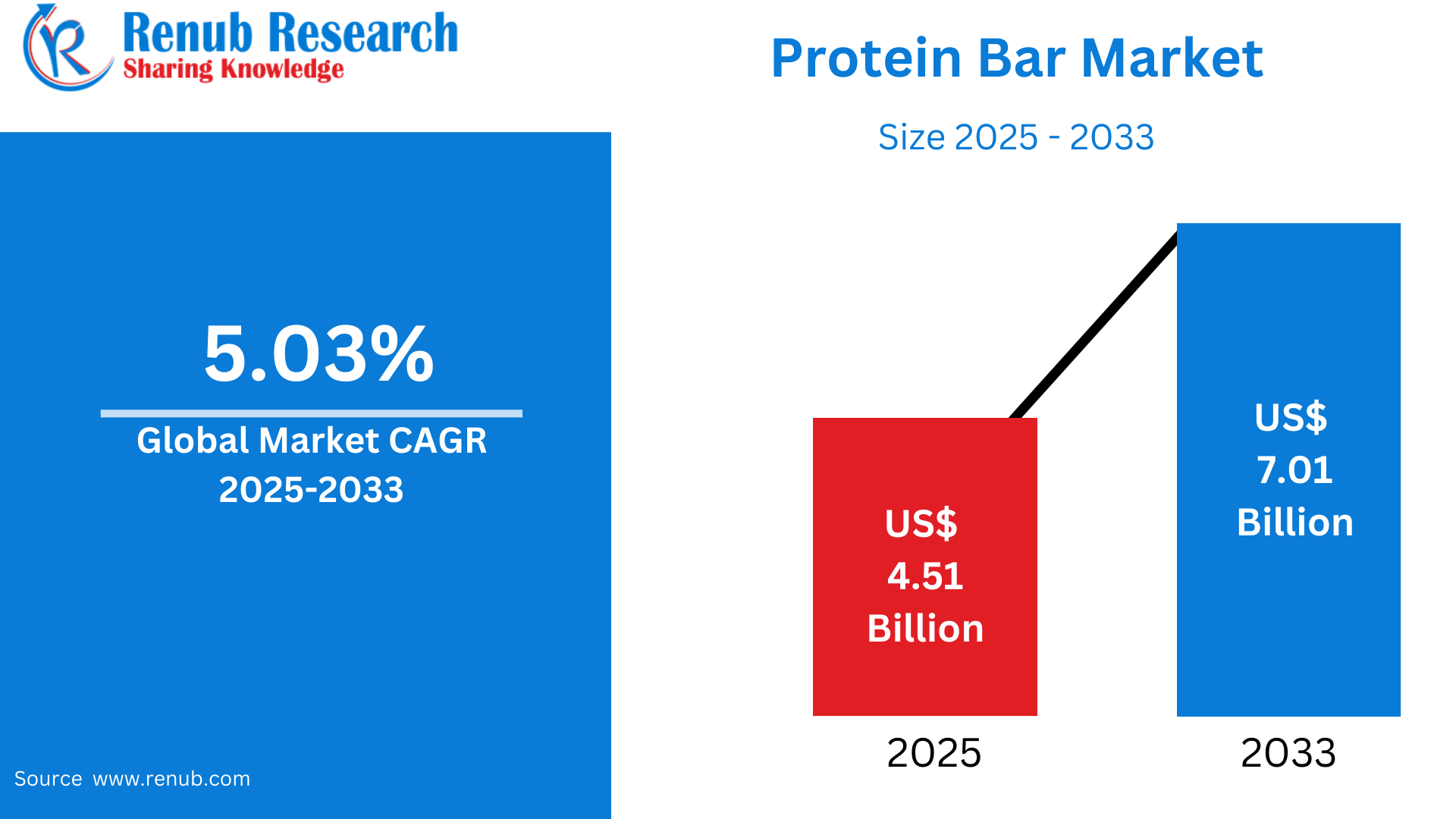
The Protein Bar Market is projected to grow from US$ 4.51 billion in 2025 to US$ 7.01 billion by 2034, registering a CAGR of 5.03% during 2026–2034. Market growth is being driven by the increasing adoption of high-protein and plant-based diets, rising consumer awareness of health and nutrition, and the growing preference for convenient, on-the-go snack options. Continuous product innovation, including new flavors, functional ingredients, and clean-label formulations, is further supporting market expansion.
Protein Bar Industry Overview
The protein bar industry is a fast-growing segment within the broader health and nutrition market, driven by rising consumer awareness of fitness, wellness, and balanced diets. Protein bars are positioned as convenient, portable nutrition solutions that support active lifestyles, weight management, and muscle recovery. Originally targeted toward athletes and bodybuilders, protein bars have evolved into mainstream snack options consumed by a wide range of consumers, including busy professionals, students, and health-conscious individuals. The industry benefits from changing dietary habits, where consumers increasingly seek foods that combine taste, convenience, and functional health benefits. Protein bars are often marketed as meal replacements or nutritious snacks, aligning well with modern, on-the-go consumption patterns.
Product innovation is a defining feature of the protein bar industry. Manufacturers continuously experiment with different protein sources such as dairy-based proteins, plant-based proteins, and blended formulations to cater to diverse dietary preferences. Flavor variety, texture improvement, and clean ingredient profiles have become critical to consumer acceptance. There is also growing emphasis on reduced sugar content, natural sweeteners, and functional ingredients such as fiber, vitamins, and superfoods. As a result, protein bars are no longer perceived as purely functional products but as indulgent yet healthy snacks. Branding and packaging play a significant role, with companies highlighting attributes such as natural ingredients, sustainability, and lifestyle alignment to stand out in a crowded marketplace.
The industry is further shaped by evolving consumer trends such as plant-based nutrition, clean-label demand, and personalized health solutions. Increased participation in fitness activities, combined with greater focus on preventive health and nutrition, continues to support long-term growth. However, the market also faces challenges including intense competition, pricing pressure, and the need to balance nutritional value with taste and texture. Despite these challenges, the protein bar industry remains dynamic and innovation-driven, with strong opportunities for differentiation through formulation, branding, and targeted consumer positioning. Overall, the industry reflects a broader shift toward functional foods that support health, convenience, and modern lifestyles.
Protein Bar Industry Overview
A protein bar is a convenient, ready-to-eat nutritional snack formulated with high levels of protein along with carbohydrates, healthy fats, dietary fiber, vitamins, and minerals. Protein bars are commonly made using ingredients such as whey protein, soy protein, pea protein, nuts, seeds, oats, dried fruits, and natural sweeteners. Originally developed for athletes and bodybuilders to support muscle recovery and performance, protein bars have evolved into a popular everyday snack for a much broader consumer base. They are widely consumed as meal replacements, post-workout recovery snacks, energy boosters, or healthy alternatives to traditional high-calorie snacks. Many protein bars are also designed to meet specific dietary needs, including vegan, gluten-free, keto-friendly, low-sugar, and plant-based formulations.
Protein bars have gained significant popularity worldwide due to growing health awareness, increasing participation in fitness activities, and busy lifestyles that demand convenient nutrition. Consumers appreciate their portability, long shelf life, and balanced nutritional profile. Demand is particularly strong in North America and Europe, while rapidly expanding fitness culture, urbanization, and rising disposable incomes are accelerating market growth across Asia-Pacific, Latin America, and the Middle East. Continuous innovation in flavors, ingredients, and clean-label formulations has further strengthened their global appeal, making protein bars one of the fastest-growing segments in the functional foods and healthy snacking market.
India's emerging fitness economy
- 2024 Members: 12.3 million
- 2030 Projected Members: 23.2 million
- Compound Annual Growth Rate (CAGR): 11% (2024–2030)
- Membership base is expected to nearly double between 2024 and 2030.
- Strong double-digit CAGR indicates rapid market expansion.
- Increasing consumer participation is a key factor supporting industry growth.
- Rising health and fitness awareness is contributing to higher membership adoption.
- Expanding fitness infrastructure and accessibility are expected to sustain long-term membership growth.
Growth Drivers for the Protein Bar Market
Rising Health and Fitness Awareness
Growing awareness of health, nutrition, and physical fitness is one of the primary factors driving the global protein bar market. Consumers across different age groups are increasingly adopting healthier lifestyles, focusing on balanced diets, regular exercise, weight management, and overall well-being. Protein is widely recognized for supporting muscle growth, enhancing recovery, promoting satiety, and maintaining metabolic health, making protein bars a preferred nutritional option. Fitness enthusiasts, athletes, and gym-goers commonly consume protein bars before or after workouts, while busy professionals and health-conscious individuals use them as nutritious snacks or meal replacements. The increasing popularity of sports, yoga, running, cycling, and other recreational activities has further broadened the consumer base beyond traditional fitness communities. Additionally, growing emphasis on preventive healthcare and functional nutrition has encouraged consumers to choose protein-rich snacks that support long-term wellness. As healthy eating habits continue to gain momentum worldwide, demand for convenient and nutrient-dense protein bars is expected to witness sustained growth.
Increasing Demand for Convenient and On-the-Go Nutrition
Rapid urbanization, busy work schedules, and fast-paced lifestyles have significantly increased the demand for portable and convenient food products, creating strong growth opportunities for the protein bar market. Protein bars provide a ready-to-eat nutritional solution that requires no preparation, making them ideal for consumers with limited time. Their portability and long shelf life make them suitable for workplaces, schools, gyms, travel, and outdoor activities. Modern consumers increasingly prefer nutritious snacks that can replace conventional meals or unhealthy snacks while delivering sustained energy throughout the day. The growing trend of frequent snacking instead of consuming large meals has further strengthened protein bar consumption across various demographics. In response, manufacturers are introducing specialized protein bars designed for breakfast, workout recovery, energy enhancement, meal replacement, and appetite control. Continuous improvements in taste, texture, packaging, and nutritional value have further increased consumer acceptance, making protein bars an integral part of modern healthy lifestyles.
Continuous Product Innovation and Ingredient Diversification
Ongoing product innovation remains a key driver supporting the expansion of the protein bar market. Manufacturers are consistently introducing new flavors, improved textures, and innovative formulations to meet changing consumer preferences and dietary requirements. The incorporation of diverse protein sources, including whey, soy, pea, rice, and blended plant-based proteins, has enabled companies to cater to vegetarians, vegans, and individuals with food allergies or dietary restrictions. Growing consumer demand for clean-label products has also encouraged the use of natural sweeteners, reduced sugar formulations, high-fiber ingredients, probiotics, vitamins, minerals, collagen, and superfoods. These advancements have transformed protein bars from niche sports nutrition products into mainstream healthy snack options suitable for consumers of all ages. Attractive packaging, personalized nutrition, premium branding, and products targeting specific wellness goals further strengthen market appeal. As companies continue investing in research and product development, innovation is expected to remain a major factor driving long-term growth in the global protein bar industry.
Challenges in the Protein Bar Market
Intense Competition and Market Saturation
The protein bar market faces significant challenges due to increasing competition and market saturation. The industry’s rapid growth has attracted numerous international brands, regional manufacturers, private-label companies, and emerging health-focused startups, resulting in a highly competitive landscape. As many products offer comparable protein content and nutritional benefits, companies must differentiate themselves through unique formulations, superior taste, premium ingredients, innovative packaging, competitive pricing, and effective marketing strategies. The expansion of private-label brands and low-cost alternatives has intensified price competition, putting pressure on manufacturers’ profit margins. Maintaining strong retail visibility and digital presence has become essential for attracting and retaining consumers, while smaller brands often face challenges in accessing premium distribution channels. Frequent shifts in consumer preferences further require continuous product innovation and strategic brand positioning. In such a crowded marketplace, building customer loyalty and maintaining long-term competitive advantage remain ongoing challenges for protein bar manufacturers.
Balancing Taste, Nutrition, and Production Costs
Achieving the ideal balance between taste, nutritional value, and manufacturing costs remains one of the most significant challenges in the protein bar industry. Consumers increasingly expect protein bars to provide high-quality protein, functional ingredients, clean-label formulations, and reduced sugar content while still delivering enjoyable flavor and texture. Meeting these expectations often requires premium ingredients such as whey protein isolate, plant-based proteins, nuts, seeds, natural sweeteners, probiotics, and superfoods, which can substantially increase production costs. In addition, fluctuations in the prices of dairy proteins, soy, nuts, oats, cocoa, and specialty ingredients directly impact manufacturing expenses and profitability. Manufacturers must carefully optimize product formulations, sourcing strategies, and production processes to maintain product quality without significantly increasing retail prices. Failure to achieve the right balance between nutritional benefits, sensory appeal, and affordability may reduce repeat purchases and limit market growth. Successfully addressing these challenges remains essential for sustaining profitability and consumer satisfaction in the highly competitive global protein bar market.
Protein Bar Launches Around the World
- January 2025 – Barebells launched Soft Protein Bar Caramel Choco, featuring a soft texture with 16 g of protein and no added sugar, expanding its premium functional snack portfolio in Europe and North America.
- September 2024 – Quest Nutrition introduced Chocolatey Peanut Puffs Protein Bars, combining high-protein nutrition with a crunchy texture and low net carbohydrates for fitness-conscious consumers.
- August 2024 – CLIF BAR expanded its Builders Protein Bar range with new flavors containing approximately 20 g of protein, targeting athletes and active lifestyle consumers.
- July 2024 – RXBAR launched Vanilla Almond Protein Bars, made with simple ingredients and egg-white protein, addressing growing demand for clean-label, minimally processed snacks.
- May 2024 – Grenade introduced White Chocolate Cookie Protein Bar, expanding its Carb Killa range with high-protein, low-sugar formulations for sports nutrition enthusiasts.
- April 2024 – Misfits launched Cookie Butter Plant Protein Bar, a vegan protein bar made with plant-based protein and low sugar, targeting flexitarian and vegan consumers across Europe.
- February 2024 – Fulfil Nutrition released Salted Caramel Protein Bar, containing high protein, low sugar, and added vitamins to support healthy snacking and sports nutrition.
- October 2023 – KIND Snacks introduced KIND MAX Protein Bars, delivering 20 g of plant-based protein with nut-based ingredients, designed for consumers seeking clean-label functional nutrition.
- September 2023 – David Protein debuted its David Protein Bar, offering high protein with very low sugar and fat, targeting performance nutrition and weight-management consumers in the U.S.
- June 2023 – think! (think Protein Bars) expanded its portfolio with Brownie Crunch High Protein Bar, featuring 20 g of protein and low sugar to meet growing demand for convenient, nutritious snacks.
Sports Nutrition Bars Rising Fitness Trends Fuel Performance Nutrition Demand
The Sports Nutrition Bars Market is experiencing significant growth as consumers increasingly prioritize fitness, athletic performance, and active lifestyles. Sports nutrition bars are specially formulated with high-quality protein, carbohydrates, healthy fats, vitamins, minerals, and functional ingredients that support energy production, muscle recovery, endurance, and overall physical performance. Initially targeted toward professional athletes and bodybuilders, these bars have gained popularity among recreational fitness enthusiasts, runners, cyclists, and individuals pursuing healthier lifestyles. The increasing number of gym memberships, sports participation, marathons, and outdoor recreational activities has substantially expanded the customer base. Manufacturers are continuously introducing innovative products with clean-label ingredients, low sugar content, plant-based proteins, collagen, probiotics, and superfoods to meet evolving consumer preferences. Improved flavors, textures, and convenient packaging have further enhanced consumer acceptance. Growing awareness of preventive healthcare and functional nutrition is encouraging consumers to incorporate sports nutrition bars into their daily routines. Continuous innovation, premium product offerings, and expanding global fitness culture are expected to drive sustained growth in the sports nutrition bars market throughout the forecast period.
Plant-Based Protein Bar Sustainable Nutrition Driving Consumer Preference
The Plant-Based Protein Bar Market is witnessing rapid expansion as consumers increasingly adopt vegan, vegetarian, flexitarian, and environmentally conscious diets. Plant-based protein bars utilize protein sources such as pea, soy, brown rice, hemp, pumpkin seed, chickpea, and oat proteins to provide complete nutritional value while avoiding animal-derived ingredients. Rising concerns regarding sustainability, animal welfare, food allergies, and lactose intolerance have accelerated demand for plant-based nutritional products worldwide. Consumers are also seeking clean-label, minimally processed foods with natural ingredients, lower sugar levels, and functional health benefits, creating favorable opportunities for manufacturers. Companies continue to innovate by combining multiple plant protein sources to improve amino acid profiles, texture, and taste while maintaining high nutritional quality. Premium ingredients, organic certifications, and eco-friendly packaging further strengthen product appeal. Expanding retail availability, increasing health awareness, and growing investments in plant-based food innovation are expected to support long-term growth, making plant-based protein bars one of the fastest-growing segments within the global functional foods industry.
Protein Bar Supermarkets & Hypermarkets Expanding Retail Availability Boosting Consumer Access
The Protein Bar Supermarkets & Hypermarkets Market remains one of the largest distribution channels for protein bar sales, offering consumers convenient access to a wide variety of brands, flavors, and nutritional formulations. Large retail chains provide extensive shelf space for sports nutrition products, healthy snacks, meal replacement bars, and functional foods, enabling manufacturers to reach a broad customer base. Consumers benefit from the ability to compare products, evaluate nutritional labels, and take advantage of promotional discounts and bundled offers before making purchasing decisions. The growing popularity of healthy snacking and functional nutrition has encouraged supermarkets and hypermarkets to expand their protein bar assortments, including premium, organic, vegan, gluten-free, keto-friendly, and low-sugar options. Strategic product placement in health food sections and checkout counters further stimulates impulse purchases. In addition, collaborations between retailers and manufacturers to introduce exclusive product lines and private-label brands continue to strengthen this distribution channel. Strong retail infrastructure, increasing consumer awareness, and expanding product portfolios are expected to sustain the dominance of supermarkets and hypermarkets in the global protein bar market.
Protein Bar E-Commerce Revolution Transforming Healthy Snack Purchases
The Online Protein Bar Market is experiencing strong growth as digital retail platforms become increasingly important channels for purchasing health and nutrition products. Consumers are attracted to the convenience of online shopping, where they can access a wider selection of protein bar brands, specialized formulations, subscription services, and competitive pricing from the comfort of their homes. E-commerce platforms enable customers to compare nutritional information, read product reviews, and explore new product launches before making purchasing decisions. The growing adoption of smartphones, digital payment systems, and improved logistics has further accelerated online sales across developed and emerging markets. Manufacturers are increasingly leveraging direct-to-consumer websites, online marketplaces, and social media marketing to strengthen customer engagement and build brand loyalty. Personalized nutrition recommendations, bundled offers, auto-replenishment subscriptions, and influencer-driven promotions have further enhanced online purchasing behavior. As consumers continue to prioritize convenience, digital accessibility, and personalized shopping experiences, the online protein bar market is expected to witness sustained expansion, becoming one of the fastest-growing distribution channels worldwide.
United States Protein Bar Market
The United States protein bar market is among the largest and most advanced globally, supported by strong consumer awareness of health, fitness, and balanced nutrition. Protein bars have become a staple snack for athletes, fitness enthusiasts, busy professionals, and consumers seeking convenient, protein-rich food options for muscle recovery, weight management, and sustained energy. The market is characterized by continuous product innovation, with manufacturers introducing bars made from whey, casein, soy, pea, and other plant-based proteins to meet evolving dietary preferences. Growing demand for clean-label products, natural ingredients, low-sugar formulations, and functional additives such as probiotics, fiber, collagen, and vitamins is driving new product development. A well-established retail ecosystem—including supermarkets, convenience stores, specialty nutrition outlets, gyms, and e-commerce platforms—ensures widespread product availability. Despite increasing competition and pricing pressures, rising health consciousness, active lifestyles, and demand for convenient functional foods continue to support the steady expansion of the U.S. protein bar market.
Germany Protein Bar Market
The Germany protein bar market is experiencing steady growth as consumers increasingly embrace healthy eating habits, fitness activities, and functional nutrition. Protein bars are widely consumed as convenient snacks, meal replacements, and post-workout supplements by athletes, working professionals, and health-conscious individuals. Rising participation in gyms, recreational sports, and wellness programs has significantly boosted demand for protein-enriched snack products. German consumers also place strong emphasis on clean-label, organic, vegan, gluten-free, and low-sugar products, encouraging manufacturers to develop innovative formulations using natural ingredients and plant-based protein sources. Sustainability has become an important purchasing consideration, prompting companies to adopt environmentally friendly packaging and responsibly sourced raw materials. The market benefits from strong distribution through supermarkets, health food stores, pharmacies, fitness centers, and online retail platforms. Although competition among domestic and international brands remains intense, continuous product innovation, premium nutrition trends, and increasing consumer awareness of preventive health continue to drive long-term growth in Germany’s protein bar market.
India Protein Bar Market
The India protein bar market is witnessing rapid expansion, fueled by increasing health awareness, urbanization, rising disposable incomes, and changing consumer lifestyles. Protein bars, once primarily consumed by athletes and bodybuilders, are now gaining widespread acceptance among young professionals, students, office workers, and health-conscious consumers seeking convenient and nutritious snack options. Growing participation in gyms, yoga, sports, and fitness activities has significantly increased demand for protein-rich foods that support muscle recovery, weight management, and overall wellness. Manufacturers are responding by introducing innovative products featuring plant-based proteins, natural ingredients, low-sugar formulations, superfoods, and clean-label claims to meet evolving consumer preferences. Expansion of e-commerce platforms, modern retail chains, pharmacies, and fitness centers has further improved product accessibility across metropolitan and emerging cities. Although affordability and consumer awareness remain challenges in certain regions, continued improvements in purchasing power, expanding fitness culture, and rising demand for functional foods are expected to support sustained growth in India’s protein bar market over the coming years.
United Arab Emirates Protein Bar Market
The United Arab Emirates (UAE) protein bar market is growing steadily, supported by increasing health awareness, expanding fitness culture, and rising demand for convenient, high-protein snack options. Consumers across the UAE, including athletes, gym members, office professionals, and health-conscious individuals, are increasingly incorporating protein bars into their daily diets for muscle recovery, sustained energy, appetite control, and overall wellness. The country’s advanced retail infrastructure, including supermarkets, hypermarkets, specialty nutrition stores, pharmacies, fitness centers, and e-commerce platforms, provides broad access to both international and regional protein bar brands. Consumer preferences are gradually shifting toward premium, plant-based, clean-label, and low-sugar protein bars, encouraging manufacturers to introduce innovative products with natural ingredients and enhanced nutritional benefits. The hospitality, wellness, and fitness sectors also contribute to growing product demand through health-focused cafés, sports clubs, and wellness centers. While premium pricing and strong competition from alternative healthy snacks present challenges, increasing consumer focus on preventive healthcare, active lifestyles, and functional nutrition is expected to drive continued growth in the UAE protein bar market.
Recent Developments in Protein Bar Market
- December 2025: Fermenta declared that Solein-powered protein bars would be available in the US. The products will be among the first Solein-powered goods that people in the US can purchase, and they will go on sale in Q1 2026.
- November 2025: The Hershey Company and protein company One Brands collaborated to launch One x Hershey's double chocolate-flavored protein bar. The company claims that Hershey's cocoa and chocolate chips are used in the bar's formulation. The protein bar has one gram of sugar and eighteen grams of protein.
- May 2025: Greenoaks and Valor Equity Partners lead the USD 75 million Series A fundraising for the protein bar company David. It has quickly expanded into more than 3,000 US retail outlets, including Wegmans, thanks to its namesake bar, which boasts 28g of protein and no sugar for 150 calories. David is expected to generate more than $100 million in revenue in its first year, demonstrating the substantial expansion of the protein bar industry.
- Targeting the expanding children's nutrition industry, Once Upon a Farm introduced chilled protein bars for children in January 2025. With 8g of protein, genuine fruit and veggies, and no added sugar, these bars meet the growing demand from parents for handy, healthful snacks. Rising health consciousness and on-the-go lifestyles are driving the billion-dollar global protein bar market, with plant-based and chilled choices emerging as major trends.
Market Segmentation
Type
- Sports Nutrition Bars
- Meal Replacement Bars
- Others
Protein Source
- Animal Based
- Plant Based
Distribution Channel
- Supermarkets & Hypermarkets
- Convenience Stores
- Online
- Others
Countries
North America
- United States
- Canada
Europe
- France
- Germany
- Italy
- Spain
- United Kingdom
- Belgium
- Netherlands
- Turkey
Asia Pacific
- China
- Japan
- India
- Australia
- South Korea
- Thailand
- Malaysia
- Indonesia
- New Zealand
Latin America
- Brazil
- Mexico
- Argentina
Middle East & Africa
- South Africa
- Saudi Arabia
- United Arab Emirates
All the key players have been covered from 5 Viewpoints:
- Overview
- Key Persons
- Recent Development
- SWOT Analysis
- Financial Insights
Key Players Analysis:
- General Mills Inc.
- Kellanova
- Associated British Foods plc
- Glanbia plc
- PepsiCo Inc
- The Hershey Company
- Simply Good Foods Co
- Amway Corp.
Report Details:
| Report Features | Details |
| Base Year |
2025 |
| Historical Period |
2022 - 2025 |
| Forecast Period |
2026 - 2034 |
| Market |
US$ Billion |
| Segment Covered |
Type, Protein Source, Distribution Channel and Countries |
| Countries Covered |
|
| Companies Covered |
|
| Customization Scope |
20% Free Customization |
| Post-Sale Analyst Support |
1 Year (52 Weeks) |
| Delivery Format |
PDF and Excel through Email (We can also provide the editable version of the report in PPT/Word format on request) |
Customization Services available
- Analysis of Market Size and Its Segments
- More Company Profiles (Upto 10 without any additional cost):
- Additional Countries (Other than mentioned Countries):
- Region/Country Specific Reports:
- Market Entry Strategy:
- Region-Specific Market Dynamics:
- Regional Market Share Analysis:
- Trade Analysis:
- Production Insights:
- Others Customized Requests:
For more information contact our analysts.
Need More Assistance?
- Talk to our analysts to get more precious information on the current market trends.
- Include more countries and segments and customize the report based on the final requirement.
- Get a competitive advantage in your industry by knowing the report findings and making a positive impact on your revenues and operations.
- Our analysts are always ready to provide more help and pertinent information if you need any additional assistance.