Semaglutide Market Report by Product, Application, Distribution Channel, Countries and Companies Analysis 2026-2034
Buy NowSemaglutide Market Size and Forecast
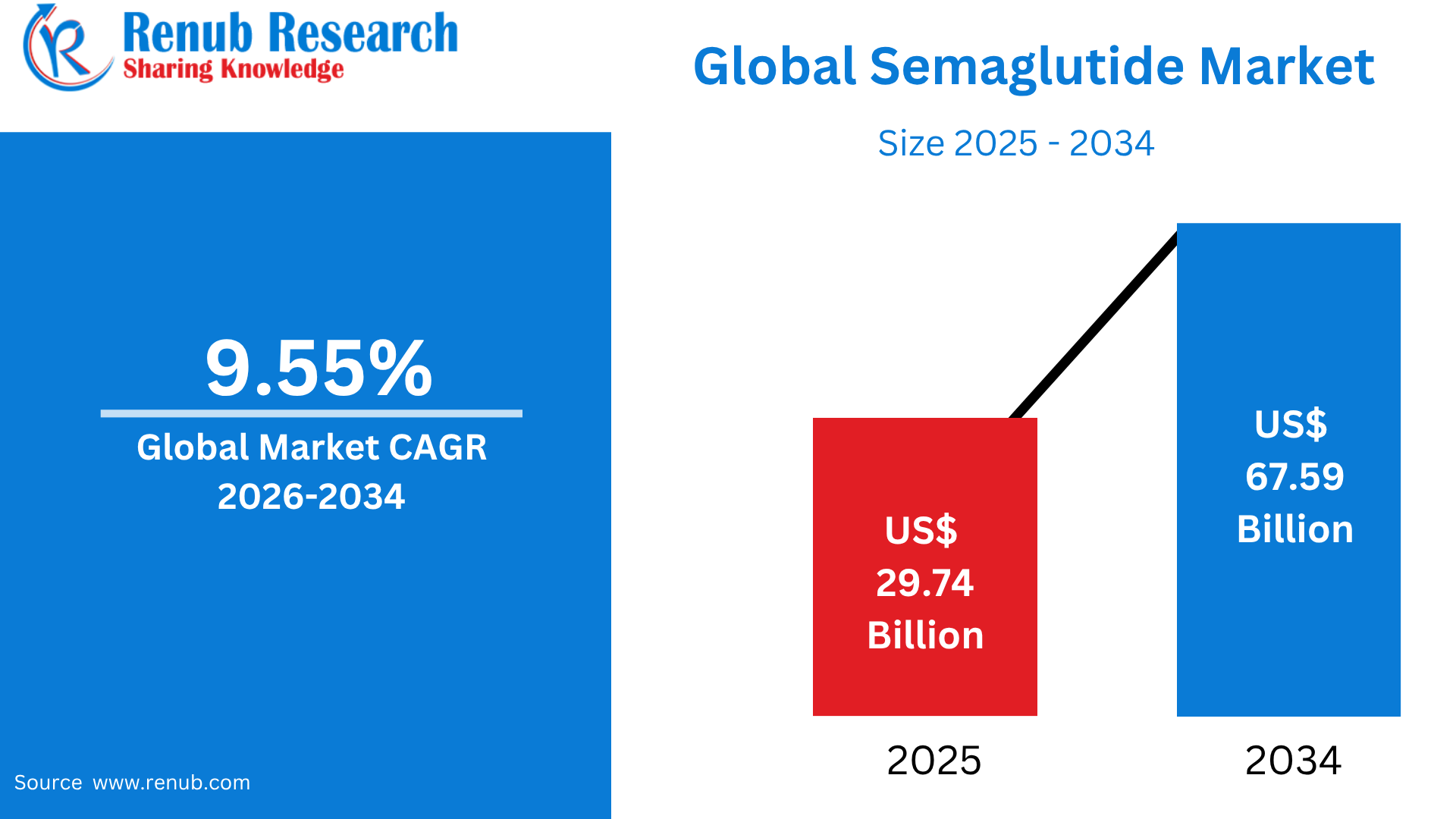
Global Semaglutide Market is projected to reach US$ 67.59 billion by 2034, rising from US$ 29.74 billion in 2025, and is expected to register a CAGR of 9.55% during 2026–2034. The market is anticipated to maintain strong growth throughout the forecast period, supported by the increasing prevalence of obesity and type 2 diabetes worldwide. Growing awareness of pharmacological weight-management treatments and increasing acceptance of GLP-1 receptor agonists are further strengthening demand for semaglutide-based therapies. Expanding regulatory approvals for additional indications and patient populations are also creating new market opportunities.
What is Semaglutide and its Uses & Popularity Worldwide
Semaglutide is a glucagon-like peptide-1 (GLP-1) receptor agonist that mimics the action of the naturally occurring GLP-1 hormone. It helps regulate blood glucose, slows gastric emptying, and increases feelings of fullness, making it useful in the management of type 2 diabetes and obesity. Depending on the approved formulation and indication, semaglutide is administered as a once-weekly injection or an oral tablet. It is marketed under brand names including Ozempic, Wegovy, and Rybelsus. Its popularity has expanded rapidly because of its effectiveness in improving glycemic control and supporting substantial weight reduction when combined with diet and physical activity.
The worldwide need for obesity treatments is significant, with more than 1 billion people living with obesity in 2022, while 43% of adults were overweight. Semaglutide’s use has also expanded beyond weight management. In 2024, the U.S. FDA approved Wegovy to reduce the risk of cardiovascular death, heart attack, and stroke in certain adults with cardiovascular disease and overweight or obesity.
Global & Regional Projections (Adults aged 20–79)
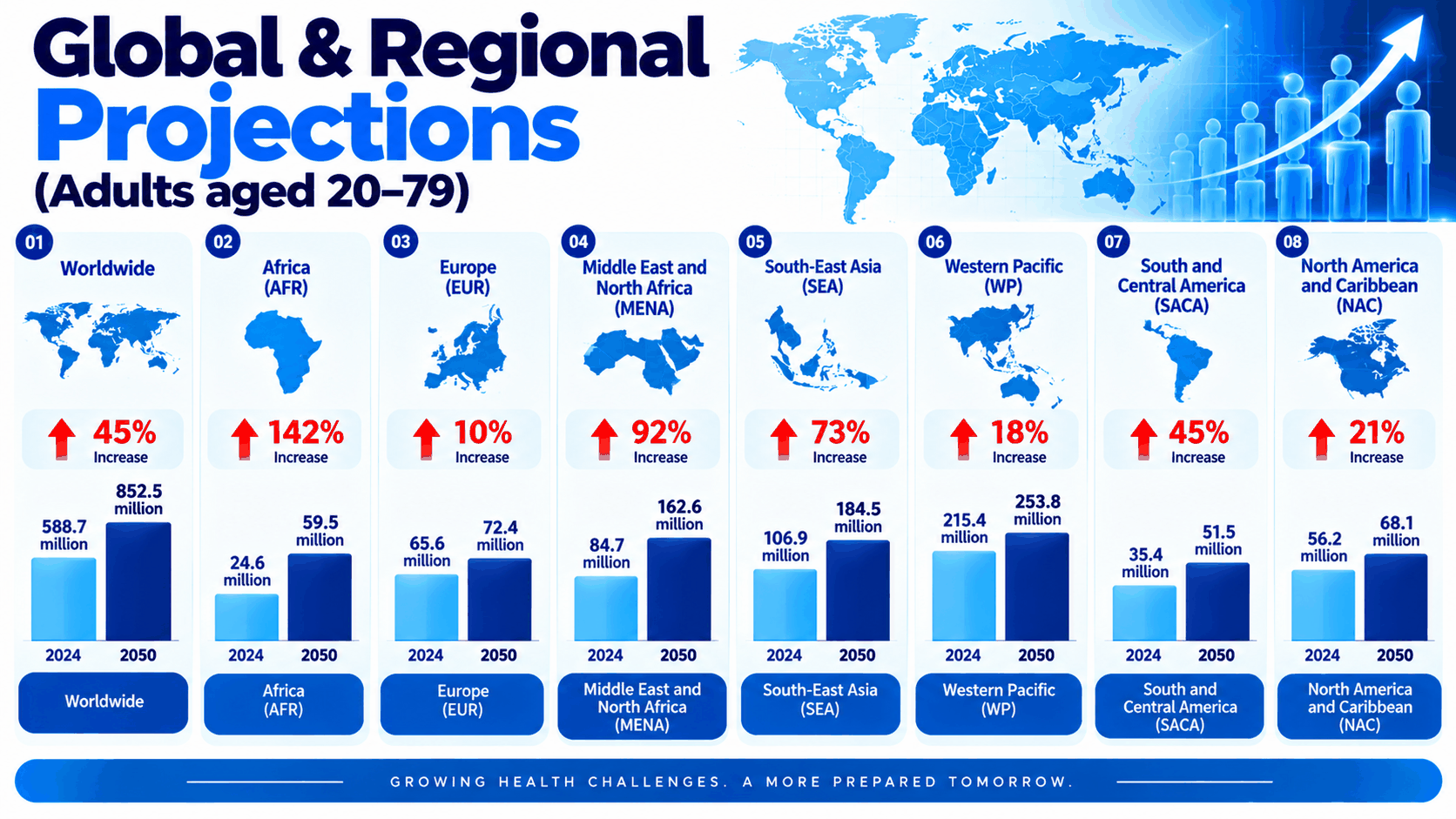
- Worldwide: Projected to increase by 45%, from 588.7 million (2024) to 852.5 million (2050).
- Africa (AFR): Projected to increase by 142%, from 24.6 million (2024) to 59.5 million (2050).
- Europe (EUR): Projected to increase by 10%, from 65.6 million (2024) to 72.4 million (2050).
- Middle East and North Africa (MENA): Projected to increase by 92%, from 84.7 million (2024) to 162.6 million (2050).
- South-East Asia (SEA): Projected to increase by 73%, from 106.9 million (2024) to 184.5 million (2050).
- Western Pacific (WP): Projected to increase by 18%, from 215.4 million (2024) to 253.8 million (2050).
- South and Central America (SACA): Projected to increase by 45%, from 35.4 million (2024) to 51.5 million (2050).
- North America and Caribbean (NAC): Projected to increase by 21%, from 56.2 million (2024) to 68.1 million (2050).
Key Highlights
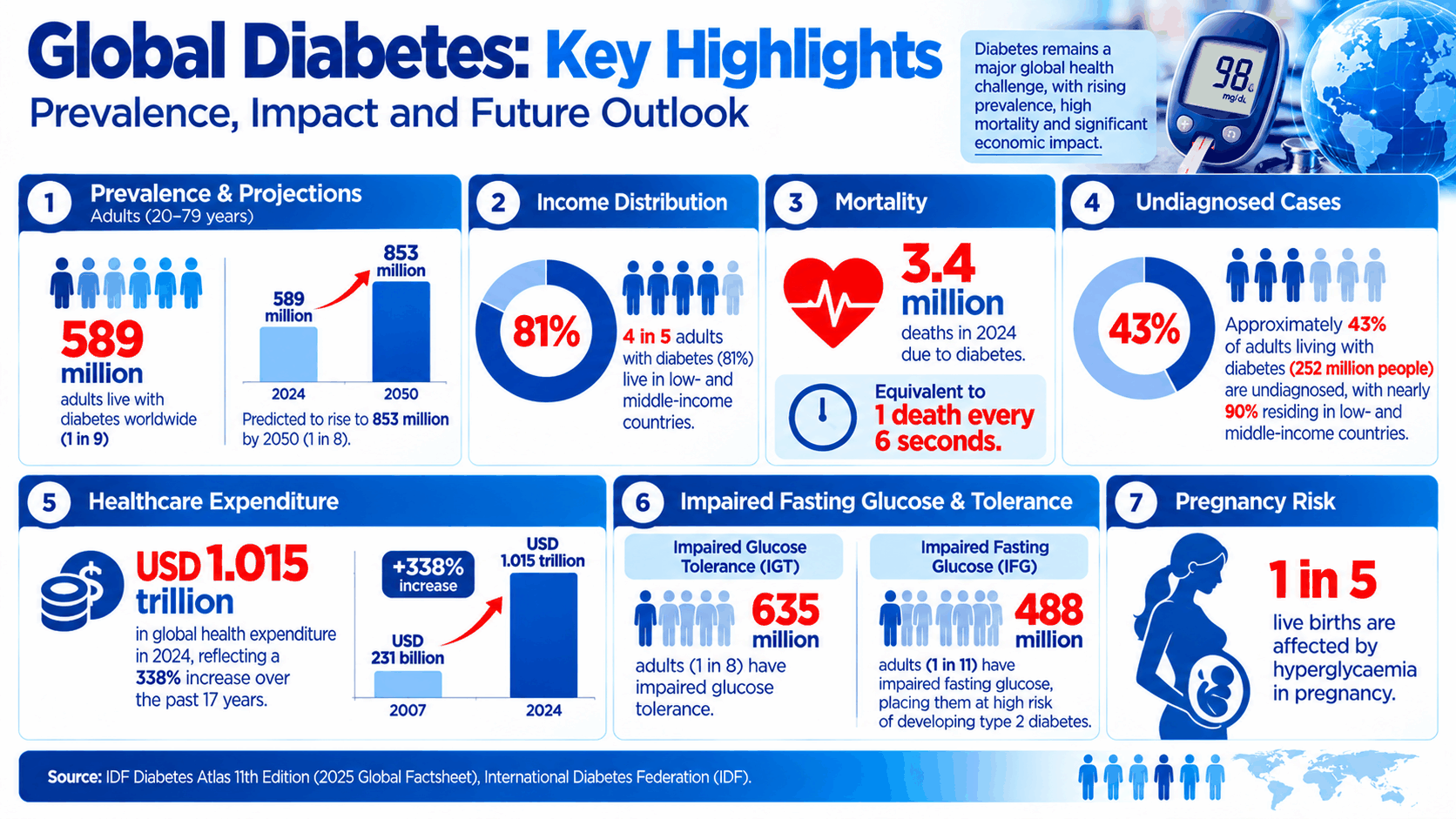
- Prevalence & Projections: 589 million adults (20–79 years) live with diabetes worldwide (1 in 9), predicted to rise to 853 million by 2050 (1 in 8).
- Income Distribution: 4 in 5 adults with diabetes (81%) live in low- and middle-income countries.
- Mortality: Diabetes caused an estimated 3.4 million deaths in 2024—equivalent to 1 death every 6 seconds.
- Undiagnosed Cases: Approximately 43% of adults living with diabetes (252 million people) are undiagnosed, with nearly 90% residing in low- and middle-income countries.
- Healthcare Expenditure: Diabetes accounted for an estimated USD 1.015 trillion in global health expenditure in 2024, reflecting a 338% increase over the past 17 years.
- Impaired Fasting Glucose & Tolerance:
- 635 million adults (1 in 8) have impaired glucose tolerance.
- 488 million adults (1 in 11) have impaired fasting glucose, placing them at high risk of developing type 2 diabetes.
- Pregnancy Risk: 1 in 5 live births are affected by hyperglycaemia in pregnancy.
Source:
IDF Diabetes Atlas 11th Edition (2025 Global Factsheet), International Diabetes Federation (IDF).
Growth Drivers of the Semaglutide Market
Rising Global Prevalence of Obesity and Type 2 Diabetes
Growing global burden of obesity and type 2 diabetes is a fundamental driver of the semaglutide market. Obesity has become a major public-health challenge, creating a large population requiring effective long-term weight-management treatments. According to the WHO, more than 1 billion people worldwide were living with obesity in 2022, including approximately 890 million adults, while 43% of adults globally were overweight. Adult obesity has more than doubled since 1990, demonstrating the scale and long-term nature of the problem. Obesity is closely associated with metabolic disorders, including type 2 diabetes, cardiovascular disease, and hypertension, increasing demand for therapies that address multiple health risks. Semaglutide’s ability to improve blood-glucose control while supporting weight reduction makes it particularly attractive for patients with overlapping metabolic conditions. Growing diagnosis rates, increasing awareness of obesity as a chronic disease, and greater willingness among healthcare providers to use pharmacological interventions are expanding the addressable patient population. As healthcare systems increasingly focus on prevention and management of obesity-related complications, demand for GLP-1 therapies such as semaglutide is expected to remain strong.
Expanding Clinical Applications and Regulatory Approvals
The expansion of semaglutide into additional clinical applications is creating significant opportunities for market growth. Initially recognized primarily for type 2 diabetes management and weight reduction, semaglutide has increasingly gained attention because of evidence supporting broader cardiovascular benefits in appropriate patient populations. In March 2024, the U.S. FDA approved Wegovy to reduce the risk of cardiovascular death, heart attack, and stroke in adults with cardiovascular disease who have obesity or overweight. This regulatory expansion increases the potential patient population and strengthens the clinical value proposition of semaglutide-based treatment. Growing evidence around the management of obesity and related metabolic complications is also encouraging healthcare professionals to consider GLP-1 therapies as part of comprehensive treatment strategies. In addition, continued clinical research is evaluating semaglutide across additional indications and patient groups, potentially creating future market opportunities. Broader regulatory acceptance can also improve physician familiarity, reimbursement discussions, and patient confidence. As more countries evaluate and approve GLP-1 therapies for obesity and related conditions, the geographical reach of semaglutide is expected to expand, supporting sustained worldwide market growth.
Strong Patient Demand and Growing Awareness of GLP-1 Therapies
Increasing public awareness of GLP-1 medications and growing patient interest in effective weight-management treatments are accelerating semaglutide adoption worldwide. Social-media discussions, healthcare-provider education, weight-management programs, and increased media attention have contributed to greater awareness of semaglutide and other GLP-1 therapies. The strong demand has been significant enough to create supply challenges; the U.S. FDA stated that semaglutide injection products had been in shortage since 2022 because of increased demand. In February 2025, the FDA determined that the shortage had been resolved after confirming that manufacturer availability and production capacity could meet current and projected national demand. This supply history demonstrates the exceptional growth in patient demand for semaglutide products. Growing acceptance of medical treatment for obesity is another important factor. Consumers increasingly view obesity as a chronic health condition rather than solely a lifestyle issue, encouraging more people to discuss prescription treatment with healthcare professionals. Improved access through specialized weight-management clinics, telehealth services, and healthcare networks can further expand the patient base. Continued education about appropriate use, benefits, limitations, and medical supervision is expected to support more sustainable adoption.
Challenges of the Semaglutide Market
High Treatment Costs and Limited Affordability
High treatment costs and differences in healthcare coverage remain important barriers to wider semaglutide adoption. Although demand for obesity and diabetes therapies is increasing, patients in many countries face significant out-of-pocket expenses when semaglutide is not fully reimbursed by public or private insurance. This can limit long-term treatment adherence, particularly because obesity management often requires ongoing therapy and medical monitoring. Cost considerations are especially important in emerging markets, where healthcare budgets and household spending capacity may be considerably lower than in developed economies. Pricing pressure can also affect healthcare providers and insurers as they evaluate the economic impact of rapidly expanding GLP-1 utilization. Furthermore, broader use of semaglutide for obesity can increase total pharmaceutical spending even when the treatment provides potential long-term health benefits. Manufacturers and healthcare systems therefore face the challenge of demonstrating cost-effectiveness through reduced complications, improved metabolic health, and potentially lower future healthcare utilization. Wider availability of generic or biosimilar alternatives is not an immediate solution for semaglutide products, while competition from other GLP-1 and related therapies is increasing. Improving reimbursement coverage, expanding patient assistance programs, and developing more affordable treatment options will be important for broader global access.
Supply Constraints, Side Effects, and Long-Term Treatment Considerations
Supply management and treatment-related concerns present additional challenges for the semaglutide market. Rapid demand growth previously placed substantial pressure on manufacturing and distribution networks. The U.S. FDA reported that semaglutide injection products had been in shortage since 2022 because of increased demand, although the agency determined the shortage was resolved in February 2025 after reviewing manufacturer capacity. While supply conditions have improved, localized disruptions can still affect availability. Treatment tolerability is another consideration. Semaglutide can cause gastrointestinal adverse effects, and patients may require gradual dose escalation under medical supervision. These factors can influence treatment persistence and patient satisfaction. In addition, obesity management frequently involves long-term therapy, creating questions around adherence, affordability, and maintaining weight-management outcomes after treatment discontinuation. Healthcare providers must also carefully evaluate patient suitability and potential contraindications. As demand expands globally, manufacturers must maintain consistent product quality while scaling production capacity and distribution networks. Competition from alternative GLP-1 therapies and emerging obesity treatments may further challenge semaglutide’s market position. Addressing manufacturing capacity, treatment adherence, patient education, and appropriate medical monitoring will therefore be essential for sustainable market development.
Semaglutide Product Launches Worldwide
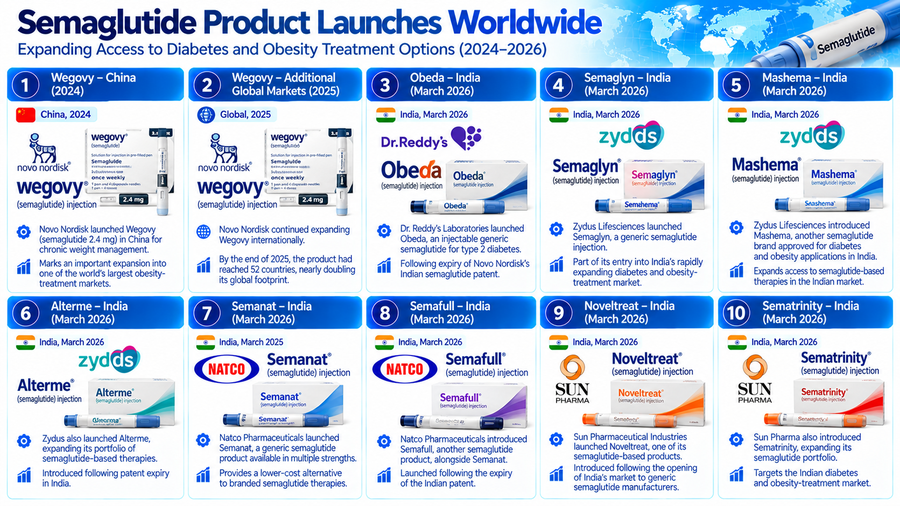
- Wegovy – China (2024): Novo Nordisk launched Wegovy (semaglutide 2.4 mg) in China for chronic weight management, marking an important expansion into one of the world’s largest obesity-treatment markets.
- Wegovy – Additional Global Markets (2025): Novo Nordisk continued expanding Wegovy internationally. By the end of 2025, the product had reached 52 countries, nearly doubling its global footprint.
- Obeda – India (March 2026): Dr. Reddy’s Laboratories launched Obeda, an injectable generic semaglutide for type 2 diabetes, following expiry of Novo Nordisk’s Indian semaglutide patent.
- Semaglyn – India (March 2026): Zydus Lifesciences launched Semaglyn, a generic semaglutide injection, as part of its entry into India’s rapidly expanding diabetes and obesity-treatment market.
- Mashema – India (March 2026): Zydus Lifesciences introduced Mashema, another semaglutide brand approved for diabetes and obesity applications in India.
- Alterme – India (March 2026): Zydus also launched Alterme, expanding its portfolio of semaglutide-based therapies following patent expiry in India.
- Semanat – India (March 2026): Natco Pharmaceuticals launched Semanat, a generic semaglutide product available in multiple strengths, providing a lower-cost alternative to branded semaglutide therapies.
- Semafull – India (March 2026): Natco Pharmaceuticals introduced Semafull, another semaglutide product, alongside Semanat following the expiry of the Indian patent.
- Noveltreat – India (March 2026): Sun Pharmaceutical Industries launched Noveltreat, one of its semaglutide-based products following the opening of India’s market to generic semaglutide manufacturers.
- Sematrinity – India (March 2026): Sun Pharma also introduced Sematrinity, expanding its semaglutide portfolio for the Indian diabetes and obesity-treatment market.
Strong Position in Diabetes and Cardiovascular Risk Management
Ozempic market represents a major component of the global semaglutide landscape, supported by its established use in adults with type 2 diabetes. Ozempic contains semaglutide, a GLP-1 receptor agonist that helps improve blood-glucose control while also supporting weight reduction. Its clinical profile and established physician familiarity have strengthened its position among diabetes therapies. According to Novo Nordisk, Ozempic generated DKK 79.1 billion in sales in 2024, demonstrating its substantial commercial contribution to the company’s diabetes portfolio. The product has also benefited from evidence showing cardiovascular risk-reduction benefits in appropriate patients with type 2 diabetes and established cardiovascular disease. Growing prevalence of diabetes and obesity is expanding the population eligible for GLP-1-based treatment. The International Diabetes Federation estimates that approximately 589 million adults aged 20–79 years were living with diabetes in 2024, with the number projected to reach 853 million by 2050. These trends provide a large long-term opportunity for Ozempic. Strong brand recognition, expanding healthcare-provider awareness, and continued manufacturing investments are expected to support demand, although competition from other GLP-1 therapies remains an important market consideration.
Expanding Use in Global Diabetes Management
The type 2 diabetes segment accounts for a substantial share of the semaglutide market because semaglutide has an established role in improving glycemic control among adults with type 2 diabetes. The treatment can provide glucose-lowering effects while also supporting weight management, making it particularly relevant for patients with multiple metabolic risk factors. The global diabetes burden provides a significant underlying growth opportunity. According to the International Diabetes Federation, approximately 589 million adults were living with diabetes in 2024, equivalent to around 1 in 9 adults worldwide, and approximately 90% of diabetes cases are type 2 diabetes. The growing prevalence of obesity, sedentary lifestyles, and aging populations is contributing to increasing demand for effective diabetes-management therapies. Greater diabetes screening, improved diagnosis, increasing physician awareness, and expansion of healthcare services in emerging economies are also supporting treatment adoption. Semaglutide’s once-weekly injectable formulations can provide a convenient treatment schedule for appropriate patients, while oral semaglutide offers another administration option. Increasing emphasis on integrated metabolic care is further strengthening demand. However, high treatment costs, reimbursement limitations, and competition from other GLP-1 receptor agonists may influence future market penetration.
Convenient Prescription Access Supports Distribution
Retail pharmacies represent an important distribution channel for semaglutide products because they provide patients with convenient access to prescription medications for type 2 diabetes and, where approved, obesity management. The channel benefits from extensive pharmacy networks, established relationships with healthcare providers, prescription-processing infrastructure, and growing demand for chronic-disease medications. The expanding diabetes population is creating a substantial recurring prescription base. With approximately 589 million adults living with diabetes worldwide in 2024, demand for glucose-lowering medicines continues to increase, supporting pharmaceutical distribution through retail pharmacies. The growth of obesity treatment is also expanding the potential customer base for semaglutide products. Retail pharmacies contribute beyond prescription fulfillment by offering medication counseling, dosage guidance, refill services, and adherence support. Digital pharmacy services and online prescription fulfillment are further improving convenience and enabling patients to manage recurring treatments more efficiently. At the same time, pharmacies must manage supply availability, insurance authorization, pricing, and controlled distribution requirements. Increased competition among GLP-1 products may also influence product placement and prescription preferences. As semaglutide adoption expands, retail pharmacies are expected to remain a significant link between manufacturers, healthcare providers, and patients in the global supply chain.
Strong Demand Driven by Obesity and Diabetes in United States
United States represents the world’s largest semaglutide market, supported by the high prevalence of obesity and type 2 diabetes, advanced healthcare infrastructure, strong physician awareness, and widespread adoption of GLP-1 receptor agonists. According to the CDC, 40.3% of U.S. adults aged 20 years and older had obesity during August 2021–August 2023, creating a substantial addressable population for medical weight-management therapies. Demand for semaglutide continues to increase as patients and healthcare providers seek effective treatments for obesity, diabetes, and associated metabolic conditions. The country also benefits from extensive pharmaceutical research, advanced clinical capabilities, and significant investment by leading drug manufacturers. A major supply development occurred in February 2025, when the FDA determined that the shortage of semaglutide injection products, including Wegovy and Ozempic, had been resolved after manufacturers demonstrated sufficient supply to meet demand. Novo Nordisk has also committed approximately US$6.5 billion to expand manufacturing capacity, supporting increased production of its GLP-1 portfolio. The company has additionally introduced digital tools to help patients locate available medicines. Continued manufacturing expansion, increasing treatment awareness, and innovation are expected to maintain the United States as the leading semaglutide market.
Expanding Adoption of GLP-1 Therapies in Germany
Germany is one of Europe’s important markets for semaglutide, supported by its well-developed healthcare infrastructure, increasing prevalence of obesity and diabetes, and growing interest in innovative metabolic disease treatments. The German market benefits from strong physician expertise, established pharmaceutical distribution networks, and access to advanced diabetes-care services. According to Germany’s Federal Statistical Office, approximately 19% of adults in Germany were classified as obese in 2021, highlighting a substantial population potentially requiring medical weight-management interventions. Increasing awareness of obesity as a chronic disease and growing demand for effective glycemic-control therapies are supporting the adoption of GLP-1 receptor agonists. A significant development for the European semaglutide market occurred in September 2025, when European regulators expanded the recognized benefits of oral semaglutide through an updated Rybelsus indication concerning cardiovascular outcomes in adults with type 2 diabetes. As a member of the European Union, Germany can benefit from such regulatory developments, subject to national implementation and reimbursement decisions. Increasing clinical awareness, expanding indications, and demand for treatments addressing both metabolic and cardiovascular risks are expected to support the German semaglutide market.
Growing Metabolic Disease Burden Creates Opportunities in India
India is emerging as a high-potential market for semaglutide because of its large population and substantial burden of diabetes, overweight, and obesity. According to the International Diabetes Federation, approximately 89.8 million adults aged 20–79 years were living with diabetes in India in 2024, making the country one of the world’s largest diabetes markets. Increasing healthcare awareness, greater diagnosis of metabolic disorders, improving access to specialist care, and the expansion of pharmaceutical distribution networks are creating opportunities for GLP-1 therapies. Demand is also being supported by growing interest in medically supervised weight-management treatments among urban and higher-income consumers. India is simultaneously becoming an important pharmaceutical manufacturing and commercialization market. In December 2025, Ajanta Pharma entered into an agreement with Biocon for supply and marketing of semaglutide, obtaining exclusive rights in 23 emerging markets and semi-exclusive rights in three additional markets. Such partnerships can strengthen commercialization capabilities and broaden access to semaglutide-based therapies. Increasing competition among pharmaceutical manufacturers may also encourage more affordable treatment options. However, treatment affordability, reimbursement limitations, regulatory requirements, and uneven access to specialist healthcare remain important considerations. Growing domestic pharmaceutical capabilities and rising metabolic disease prevalence are nevertheless expected to provide significant long-term opportunities.
Rising Obesity and Diabetes Support Mexico Market Expansion
Mexico represents an emerging semaglutide market, driven by a significant burden of obesity, diabetes, and related metabolic disorders. According to the OECD, around 36.1% of adults in Mexico were living with obesity in 2022, placing the country among the OECD members with the highest obesity rates. This substantial disease burden is creating increasing demand for pharmacological approaches to weight management and diabetes treatment. Greater awareness of GLP-1 receptor agonists, increasing physician familiarity, and improving access to advanced medicines are supporting market development. In February 2025, Novo Nordisk announced plans related to the availability of semaglutide 2.4 mg in Mexico for weight-management treatment in eligible adults with obesity or overweight accompanied by weight-related health conditions. Regulatory and public-health authorities have simultaneously emphasized the importance of appropriate medical supervision and consumer awareness, particularly as demand for weight-loss medicines increases. Mexico’s expanding private healthcare sector, pharmaceutical distribution infrastructure, and growing interest in medical weight management provide additional opportunities for semaglutide manufacturers. However, affordability, reimbursement limitations, counterfeit products, and inappropriate self-medication can restrict market development. Greater physician education, stronger regulatory oversight, and improved access to legitimate therapies are expected to support more sustainable growth in Mexico.
Semaglutide Market Segmentation
Product
- Ozempic
- Rybelsus
- Wegovy
- Others
Application
- Type 2 Diabetes
- Obesity
- Cardiovascular Risk Reduction
Distribution Channel
- Retail Pharmacies
- Hospital Pharmacies
- Online Pharmacies
Countries
North America
- United States
- Canada
Europe
- France
- Germany
- Italy
- Spain
- United Kingdom
- Belgium
- Netherlands
- Turkey
Asia Pacific
- China
- Japan
- India
- South Korea
- Thailand
- Malaysia
- Indonesia
- Australia
- New Zealand
Latin America
- Brazil
- Mexico
- Argentina
Middle East & Africa
- Saudi Arabia
- UAE
- South Africa
All the Key players have been covered with 5 Viewpoints
- Overviews
- Key Person
- Recent Developments
- SWOT Analysis
- Revenue Analysis
Key Players Analysis
- Novo Nordisk A/S
- Eli Lilly and Company
- AstraZeneca plc
- Biocon Ltd
- Johnson and Johnson
- fizer Inc
- AbbVie Inc.
- Sanofi S.A.
Report Details:
| Report Features | Details |
| Base Year |
2025 |
| Historical Period |
2022 - 2025 |
| Forecast Period |
2026 - 2034 |
| Market |
US$ Billion |
| Segment Covered |
Product, Application, Distribution Channel and Countries |
| Countries Covered |
|
| Companies Covered |
|
| Customization Scope |
20% Free Customization |
| Post-Sale Analyst Support |
1 Year (52 Weeks) |
| Delivery Format |
PDF and Excel through Email (We can also provide the editable version of the report in PPT/Word format on request) |
Customization Services available
- Analysis of Market Size and Its Segments
- More Company Profiles (Upto 10 without any additional cost):
- Additional Countries (Other than mentioned Countries):
- Region/Country Specific Reports:
- Market Entry Strategy:
- Region-Specific Market Dynamics:
- Regional Market Share Analysis:
- Trade Analysis:
- Production Insights:
- Others Customized Requests:
For more information contact our analysts.
Need More Assistance?
- Talk to our analysts to get more precious information on the current market trends.
- Include more countries and segments and customize the report based on the final requirement.
- Get a competitive advantage in your industry by knowing the report findings and making a positive impact on your revenues and operations.
- Our analysts are always ready to provide more help and pertinent information if you need any additional assistance.