Protein Supplements Market Size, Share, Growth, Trends, Industry Analysis & Forecast 2026–2034
Buy NowProtein Supplements Market Size & Forecast
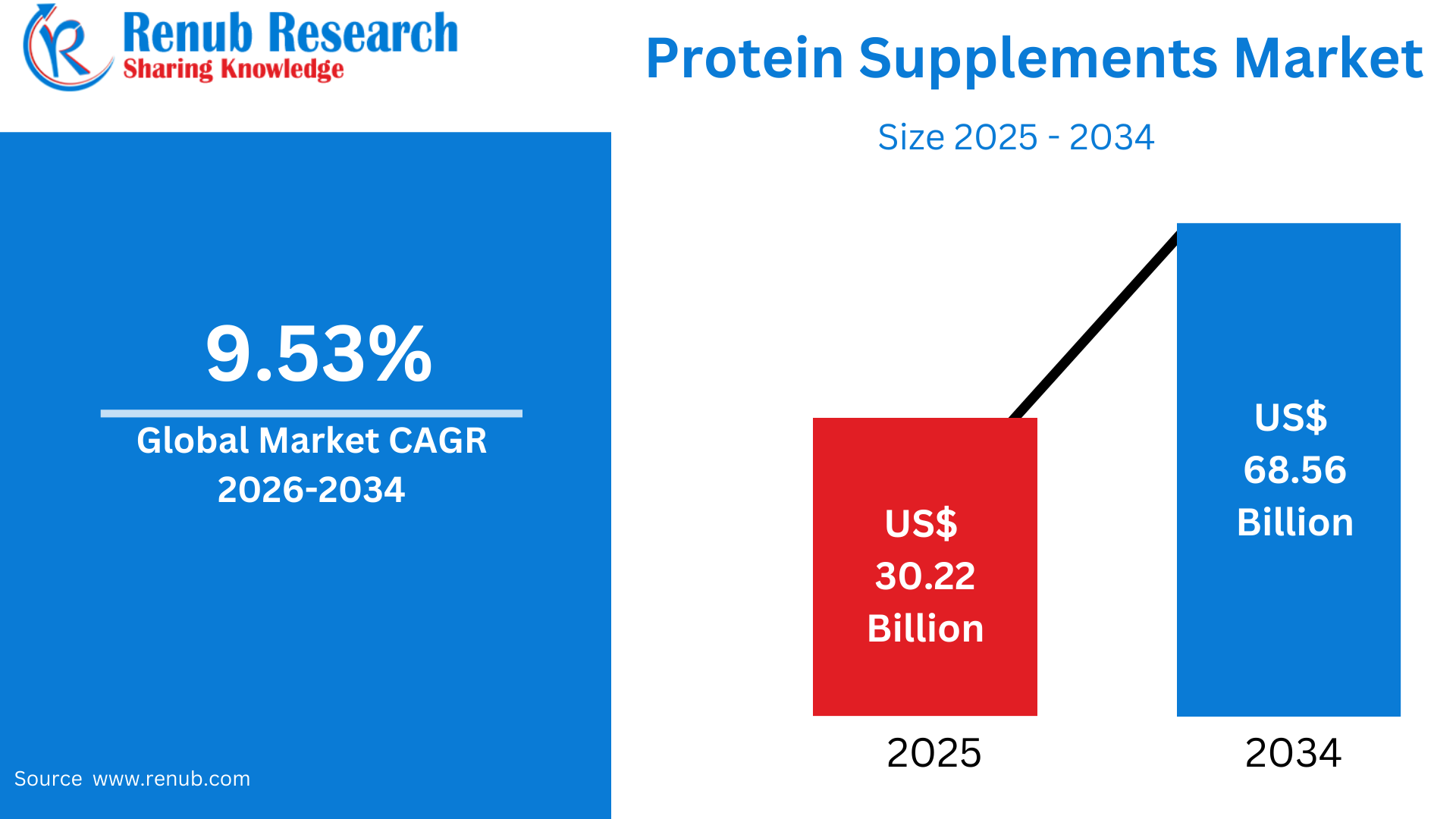
Protein Supplements Market is projected to grow from US$ 30.22 billion in 2025 to US$ 68.56 billion by 2034, registering a CAGR of 9.53% during 2026–2034. Market growth is fueled by rising health and wellness awareness, increasing participation in sports and fitness activities, growing adoption of high-protein diets, and expanding demand for nutritional supplements among the aging population and individuals managing lifestyle-related chronic diseases. Additionally, continuous innovation in plant-based, functional, and clean-label protein formulations, along with the growing popularity of personalized nutrition, is further accelerating global demand for protein supplements.
Protein Supplements Market Outlook
Protein supplements are nutrient supplements that are primarily used to provide a concentrated dose of protein in the body to aid in muscle building, recovery, weight management, and overall health. They are known to be sold in a variety of forms including powders, ready-to-consume protein shakes, bars, capsules, and enhanced foods. There are several types of protein supplements varying in source materials ranging from whey, casein, soy protein, pea protein, rice protein, and other plant proteins. The supplements are widely sought in the market not only among bodybuilders but also among the general population to aid in the fulfillment of regular protein intake. However, the supplements are also medicinally used to aid in the health of the elderly population and in the recovery of patients from surgical procedures.
Globally, the popularity of protein supplements has increased considerably with the increasing health-consciousness of the population and the rapidly expanding emphasis on an active health and fitness lifestyle. Moreover, the increasing involvement of the younger generation in health and fitness activities, sports, and gymming has fuelled the demand for protein supplements. However, the increased awareness of the health benefits of proteins relating to weight management, immunity, and the prevention of diseases has resulted in the expanding application of protein supplements not only for health and fitness enthusiasts but also for working professionals and the older generation.
What are Protein Supplements and Their Uses & Popularity Worldwide
Protein supplements are concentrated sources of protein formulated to help individuals meet their daily protein requirements for muscle growth, recovery, weight management, and overall health. They are available in various forms, including powders, ready-to-drink beverages, protein bars, capsules, and meal replacement products. Common protein sources include whey, casein, soy, pea, rice, egg, collagen, and other plant-based proteins. These supplements provide essential amino acids that support muscle protein synthesis, tissue repair, immune function, enzyme production, and metabolic health.
Protein supplements are widely consumed by athletes, bodybuilders, fitness enthusiasts, older adults, and individuals recovering from illness or surgery to improve strength, endurance, and physical performance. Their popularity has expanded significantly worldwide due to increasing health awareness, rising participation in sports and fitness activities, and growing interest in preventive healthcare and healthy aging. Demand has also increased among consumers following high-protein, ketogenic, vegan, and weight management diets. Innovations in plant-based proteins, clean-label ingredients, personalized nutrition, and functional formulations enriched with vitamins, probiotics, and collagen have further broadened consumer appeal. The rapid growth of e-commerce, health clubs, pharmacies, and online nutrition platforms has also made protein supplements more accessible, supporting strong global market expansion.
Growing Health Awareness and Wellness Trends
According to 2024 SportsEngland data, approximately 6.7 million people in the United Kingdom participated in fitness classes at least twice per month, reflecting strong consumer interest in health and active lifestyles. Fitness clubs are increasingly evolving beyond traditional exercise facilities by incorporating holistic wellness services that combine physical fitness with mental well-being through mindfulness programs, stress management, and recovery-focused offerings. This shift highlights growing consumer demand for integrated wellness experiences that support both physical and psychological health. At the same time, corporate wellness initiatives are expanding as employers recognize that encouraging employee fitness can improve productivity, reduce absenteeism, and lower long-term healthcare costs. Fitness operators are also diversifying their business models through strategic retail partnerships, offering nutritional supplements, protein products, recovery equipment, healthy snacks, and lifestyle merchandise within their facilities. These collaborations not only create additional revenue streams but also strengthen customer engagement, improve member retention, and position fitness clubs as comprehensive health and wellness destinations rather than solely exercise centers.
India's emerging fitness economy
- 2024 Members: 12.3 million
- 2030 Projected Members: 23.2 million
- Compound Annual Growth Rate (CAGR): 11% (2024–2030)
- Membership base is expected to nearly double between 2024 and 2030.
- Strong double-digit CAGR indicates rapid market expansion.
- Increasing consumer participation is a key factor supporting industry growth.
- Rising health and fitness awareness is contributing to higher membership adoption.
- Expanding fitness infrastructure and accessibility are expected to sustain long-term membership growth.
Growth Driver of the Protein Supplements Market
Rising Health and Fitness Awareness Worldwide
Growing health consciousness and fitness participation are major factors driving the Protein Supplements Market. Consumers are increasingly focusing on muscle development, weight management, immunity, and overall wellness, leading to higher protein intake through supplements. According to the World Health Organization (WHO), more than 1.9 billion adults are overweight, while over 650 million are living with obesity, encouraging many consumers to adopt healthier diets and active lifestyles. At the same time, gym memberships, home workouts, and organized sports participation continue to increase globally. Protein supplements have become an essential part of post-workout recovery because they help repair muscle tissue, improve strength, and enhance athletic performance. Manufacturers are responding by introducing ready-to-drink protein beverages, protein snacks, and clean-label formulations tailored to different age groups and fitness goals. Social media influencers, fitness trainers, and digital health platforms are further educating consumers about the importance of adequate protein intake, making protein supplements increasingly popular among athletes, working professionals, and health-conscious individuals worldwide.
Growing Demand for Plant-Based and Functional Proteins
The rising popularity of plant-based nutrition is significantly boosting the Protein Supplements Market. Consumers are increasingly choosing plant-derived proteins such as pea, soy, rice, hemp, oat, and chickpea due to concerns regarding sustainability, lactose intolerance, and animal welfare. Globally, approximately 65% of the population experiences some degree of lactose malabsorption, increasing demand for dairy-free protein alternatives. In addition, consumers are seeking functional protein supplements that provide benefits beyond muscle growth, including digestive health, immunity, skin health, and healthy aging. Manufacturers are developing products fortified with probiotics, vitamins, collagen peptides, omega-3 fatty acids, and adaptogenic ingredients to meet evolving consumer preferences. Clean-label formulations with minimal additives and natural ingredients have also become increasingly popular. Continuous innovation in flavor, texture, and nutritional quality has improved consumer acceptance of plant proteins, enabling manufacturers to expand into mainstream retail, e-commerce, pharmacies, and specialty nutrition stores while attracting a broader customer base worldwide.
Increasing Aging Population and Clinical Nutrition Demand
The expanding elderly population is creating strong demand for protein supplements as nutritional support becomes increasingly important for healthy aging. According to the United Nations, the global population aged 65 years and older is projected to exceed 1.5 billion by 2050. Aging is commonly associated with muscle loss (sarcopenia), reduced bone density, weakened immunity, and slower recovery from illness, increasing the need for high-quality protein intake. Healthcare professionals increasingly recommend protein supplementation for older adults to maintain muscle mass, improve mobility, support post-surgical recovery, and reduce the risk of frailty. Protein supplements are also widely used in hospitals, rehabilitation centers, and long-term care facilities for patients recovering from chronic diseases or major surgeries. Growing awareness of preventive healthcare and personalized nutrition has encouraged older consumers to adopt protein-enriched diets as part of daily wellness routines. As life expectancy continues to rise globally, demand for specialized medical nutrition and senior-focused protein supplements is expected to grow steadily.
Protein Supplements Launches Worldwide
- Abbott Launched Ensure Max Protein 42g and Ensure Max Protein 2-in-1 Muscle Support (2025)
Abbott expanded its Ensure portfolio by introducing Ensure Max Protein 42g and Ensure Max Protein 2-in-1 Muscle Support. The new products deliver up to 42 grams of high-quality protein, 1.5 grams of CaHMB, and 26 essential vitamins and minerals to support muscle maintenance, recovery, and overall nutritional health for active adults and seniors. - Cellucor C4 Introduced Hershey’s Whey Protein Range in the United Kingdom (2025)
Cellucor expanded its sports nutrition portfolio by launching C4 Whey Protein in partnership with The Hershey Company. Available in Hershey’s Milk Chocolate and Reese’s Peanut Butter & Chocolate flavors, each serving contains 25 grams of protein with zero added sugar. - Optimum Nutrition Released Gold Standard Plant Protein+ (2025)
Optimum Nutrition introduced an upgraded Gold Standard Plant Protein+ formulated with pea, rice, and fava bean proteins. The product features improved amino acid balance, enhanced digestibility, clean-label ingredients, and better taste to meet the growing demand for vegan sports nutrition. - Nestlé India Launched Resource Activ High-Protein Nutrition Supplement (2024)
Nestlé India introduced Resource Activ, a multi-benefit nutritional supplement featuring premium-quality protein, calcium, vitamin D, hyaluronate, dietary fiber, and immune-supporting nutrients. The product targets active adults seeking muscle strength, bone health, and overall wellness. - Myprotein Expanded Clear Whey Isolate Product Line (2024)
Myprotein launched several new flavors under its Clear Whey Isolate portfolio, offering a refreshing juice-style protein drink containing over 20 grams of whey protein isolate per serving with minimal sugar and fat for post-workout recovery. - Dymatize Introduced ISO100 Fruity Pebbles Protein Powder (2024)
Dymatize expanded its ISO100 Hydrolyzed Whey Protein Isolate range with a Fruity Pebbles edition, combining rapid protein absorption with dessert-inspired flavors while maintaining high protein purity for athletes and fitness enthusiasts. - Muscletech Released Nitro-Tech Ripped Performance Series (2024)
Muscletech launched an enhanced Nitro-Tech Ripped formulation combining whey protein isolate, peptides, L-carnitine, green coffee extract, and weight-management ingredients to support muscle building while promoting fat metabolism. - Garden of Life Introduced Organic Plant Protein Sport+ (2024)
Garden of Life expanded its organic sports nutrition portfolio with Sport+ Organic Plant Protein, featuring certified organic pea protein, probiotics, digestive enzymes, antioxidants, and complete essential amino acids for vegan athletes. - Premier Protein Expanded Ready-to-Drink Protein Shake Portfolio (2023)
Premier Protein introduced new ready-to-drink protein shake flavors containing 30 grams of protein, low sugar, and essential vitamins and minerals. The products are designed for convenient nutrition, meal replacement, and post-exercise recovery. - Arla Foods Expanded Arla Protein Functional Nutrition Range (2023)
Arla Foods introduced new Arla Protein ready-to-drink beverages and high-protein dairy products enriched with milk protein, targeting active consumers, gym-goers, and individuals seeking convenient, high-protein nutritional solutions. The expansion supports the company’s growing presence in sports nutrition and healthy lifestyle markets.
Challenges of the Protein Supplements Market
High Product Costs and Price Sensitivity
The relatively high cost of premium protein supplements remains a significant challenge for market growth, particularly in emerging economies. High-quality protein ingredients such as whey isolate, hydrolyzed protein, collagen peptides, and specialized plant proteins require advanced processing technologies and stringent quality control, increasing manufacturing costs. In addition, fluctuations in the prices of milk, soybeans, peas, and other agricultural raw materials contribute to unstable production expenses. Premium products enriched with probiotics, vitamins, digestive enzymes, or functional ingredients are often priced considerably higher than conventional nutritional products, limiting affordability for middle-income consumers. Inflation and rising transportation, packaging, and distribution costs have further increased retail prices. Many consumers continue to rely on protein-rich foods such as eggs, dairy products, legumes, fish, and poultry instead of purchasing supplements. This price sensitivity can reduce product adoption, especially in developing markets where disposable income remains limited and consumers carefully evaluate discretionary health-related spending.
Product Quality Concerns and Regulatory Compliance
Maintaining consistent product quality and complying with diverse international regulations present major challenges for protein supplement manufacturers. Different countries have varying standards regarding ingredient approvals, nutritional labeling, health claims, manufacturing practices, and permissible contaminants, making global product distribution more complex. Manufacturers must comply with strict quality assurance procedures to ensure accurate protein content, ingredient purity, and product safety. Concerns regarding contamination with heavy metals, banned substances, artificial additives, or undeclared ingredients have affected consumer confidence in certain dietary supplements. Additionally, counterfeit and low-quality protein products sold through unauthorized online channels continue to create reputational risks for established brands. Companies must invest heavily in laboratory testing, certification, traceability systems, and regulatory documentation to maintain compliance across international markets. As consumers become more informed and demand greater transparency regarding ingredient sourcing, sustainability, and product authenticity, manufacturers face increasing pressure to maintain high-quality standards while controlling production costs and remaining competitive.
Strong Consumer Preference for Fast-Absorbing Whey Protein Supporting Market Growth
Whey Protein Supplements Market continues to dominate the global protein supplements industry owing to its superior nutritional profile, rapid absorption, and complete amino acid composition. Derived from milk during the cheese-making process, whey protein is rich in branched-chain amino acids (BCAAs), particularly leucine, which plays a vital role in muscle protein synthesis and recovery. Studies indicate that whey protein contains approximately 20–25% BCAAs, making it one of the most effective proteins for post-workout nutrition. It is widely available as whey protein concentrate (WPC), whey protein isolate (WPI), and hydrolyzed whey protein (WPH), allowing consumers to select products based on protein purity, lactose content, and digestibility. Growing participation in fitness activities, increasing awareness of muscle health, and rising demand among aging populations are expanding its consumer base beyond athletes. Continuous product innovation in flavors, clean-label formulations, functional ingredients, and ready-to-mix formats is further strengthening demand across global retail and online distribution channels.
Convenience, Cost-Effectiveness, and Longer Shelf Life Driving Protein Supplements Powder Demand
Protein Supplements Powder Market remains the largest product category due to its affordability, versatility, and extended shelf life. Powder formulations allow consumers to customize protein intake according to their dietary goals by mixing the product with water, milk, smoothies, yogurt, or various food preparations. A typical serving delivers 20–30 grams of protein, enabling precise nutritional intake for muscle development, weight management, and recovery. Compared to ready-to-drink products, protein powders offer lower packaging and transportation costs, making them more economical for regular consumption. The category appeals to athletes, fitness enthusiasts, office workers, elderly consumers, and individuals following clinical nutrition plans. Manufacturers continue introducing fortified powders containing vitamins, minerals, probiotics, digestive enzymes, collagen peptides, and superfoods to enhance nutritional value. The rapid expansion of e-commerce platforms, specialty nutrition retailers, supermarkets, and pharmacies has significantly improved accessibility, while bulk packaging options continue to attract price-conscious consumers worldwide.
Sustainable Nutrition Trends Accelerating Plant-Based Protein Supplements Market Expansion
Plant-Based Protein Supplements Market is witnessing rapid growth as consumers increasingly adopt vegan, vegetarian, and flexitarian lifestyles. Proteins derived from peas, soy, brown rice, hemp, oats, quinoa, and chickpeas have become popular alternatives to dairy-based proteins, particularly among individuals with lactose intolerance or dairy allergies. It is estimated that around 65% of the global population experiences some level of lactose malabsorption, creating substantial demand for dairy-free protein products. Environmental sustainability and ethical consumerism are also encouraging the shift toward plant-derived nutrition due to their comparatively lower environmental footprint. Manufacturers are investing heavily in improving amino acid profiles, digestibility, texture, and taste to achieve nutritional quality comparable to whey protein. Advances in protein extraction technologies, fermentation, and food science have significantly improved product quality. Growing demand for clean-label, allergen-free, and environmentally responsible nutritional products continues to position plant-based protein supplements as one of the fastest-growing segments within the global protein supplements market.
Growing Fitness Participation Boosting Sports Nutrition Demand
The Sports Nutrition Protein Supplements Market is expanding rapidly as more consumers participate in gym workouts, endurance sports, recreational fitness, and professional athletic activities. Protein supplements have become an essential component of sports nutrition because they support muscle recovery, increase lean muscle mass, improve endurance, and reduce post-exercise fatigue. According to international health estimates, over 1 billion people worldwide are affected by insufficient physical activity, encouraging governments and health organizations to promote active lifestyles that indirectly support sports nutrition consumption. Athletes, bodybuilders, cyclists, runners, and recreational fitness enthusiasts increasingly incorporate protein supplements into their daily nutrition plans. Manufacturers are continuously introducing multi-source protein blends, rapid-absorption proteins, sustained-release formulations, electrolyte-enriched products, and recovery-focused supplements tailored to different training requirements. Personalized nutrition, sports science research, and digital fitness applications are further increasing consumer awareness regarding protein timing, dosage, and performance optimization, driving sustained global demand for sports nutrition protein supplements.
Expanding Organized Retail Strengthening Consumer Accessibility for Protein Supplements
Supermarkets and hypermarkets remain one of the most influential distribution channels for protein supplements by providing convenient access, broad product selection, and competitive pricing. Large retail chains enable consumers to compare multiple brands, flavors, formulations, package sizes, and price points within a single shopping visit, increasing purchase confidence. The global retail industry now operates hundreds of thousands of supermarkets and hypermarkets, making nutritional supplements readily available to mainstream consumers. The expansion of dedicated health and wellness sections has significantly increased product visibility and encouraged impulse purchases. Retailers also support market growth through promotional campaigns, loyalty programs, discounts, and private-label protein supplement offerings that improve affordability. In addition, in-store nutritional guidance, product demonstrations, and improved shelf organization help educate first-time buyers. Growing urbanization, rising disposable incomes, and increasing consumer focus on preventive healthcare continue to strengthen supermarket and hypermarket sales, making organized retail a critical channel for expanding the global protein supplements market.
Strong Fitness Culture and Product Innovation Driving United States Market Leadership
The United States Protein Supplements Market remains the largest and most mature globally, supported by a well-established fitness culture, high consumer awareness of sports nutrition, and widespread adoption of preventive healthcare. More than 70 million Americans hold health club or fitness memberships, while millions of consumers regularly engage in home workouts, endurance sports, and strength training, creating sustained demand for protein supplements. Protein powders, ready-to-drink shakes, protein bars, and meal replacement products are widely consumed for muscle growth, recovery, weight management, and healthy aging. Product innovation continues to strengthen the market through clean-label, organic, plant-based, collagen, and functional protein formulations tailored to diverse consumer needs. High e-commerce penetration, nationwide retail distribution, and strong brand competition further support market expansion. In December 2025, Abbott expanded its Ensure Max Protein portfolio with Ensure Max Protein 42g and Ensure Max Protein 2-in-1 Muscle Support, offering up to 42 grams of protein, 1.5 grams of CaHMB, and 26 essential vitamins and minerals to support muscle health and overall nutrition.
Rising Wellness Trends and Plant-Based Nutrition Supporting Growth in United Kingdom
The United Kingdom Protein Supplements Market is experiencing steady growth due to increasing health awareness, active lifestyles, and growing demand for nutritional products beyond traditional sports nutrition. Consumers are increasingly incorporating protein supplements into daily diets for weight management, healthy aging, and overall wellness in addition to muscle recovery. The UK has witnessed significant growth in gym memberships, home fitness programs, and recreational sports participation, driving consistent demand for protein powders, protein beverages, and functional nutrition products. Plant-based nutrition has become a major trend, with vegan protein supplements gaining popularity among environmentally conscious and lactose-intolerant consumers. Supermarkets, pharmacies, sports nutrition retailers, and online platforms continue to improve product accessibility across the country. In June 2025, C4 Pre-Workout, in collaboration with The Hershey Company, introduced its first whey protein range in the UK, featuring Hershey’s Milk Chocolate and Reese’s Peanut Butter & Chocolate flavors. Each serving delivers 25 grams of protein with zero added sugar, strengthening competition within the premium protein supplements segment.
India Urbanization and Expanding Fitness Awareness Fueling Market Growth
The India Protein Supplements Market is expanding rapidly, driven by rising disposable incomes, increasing urbanization, and growing awareness regarding balanced nutrition and physical fitness. India has a population exceeding 1.4 billion, with a large proportion of young consumers adopting healthier lifestyles and participating in gym workouts, sports, and recreational fitness activities. Growing awareness of protein deficiency and preventive healthcare has expanded protein supplement consumption beyond professional athletes to include working professionals, senior citizens, and women seeking improved nutrition. The rapid growth of e-commerce platforms has enabled manufacturers to penetrate Tier II and Tier III cities, significantly improving product accessibility. Domestic companies continue introducing affordable products with localized flavors, while international brands are strengthening their market presence through retail expansion. In February 2024, Nestlé India introduced Resource Activ, a high-protein nutritional supplement formulated with premium-quality proteins, calcium, vitamin D, hyaluronate, dietary fiber, and immune-supporting nutrients to promote muscle strength, bone health, skin wellness, and overall nutritional support.
Active Lifestyle Promotion and Vision 2030 Accelerating Saudi Arabia Demand
The Saudi Arabia Protein Supplements Market is witnessing strong growth as increasing health awareness, rising obesity concerns, and government initiatives encouraging physical activity stimulate consumer demand. Saudi Arabia has a relatively young population, with a significant percentage under the age of 35 years, supporting growing participation in fitness centers, sports clubs, and recreational activities. Government initiatives under Vision 2030 continue promoting healthier lifestyles, expanding sports participation, and improving wellness infrastructure across the Kingdom. Protein supplements are becoming increasingly popular among athletes, gym members, and consumers pursuing weight management and muscle development. The rapid expansion of e-commerce and specialty nutrition retailers has made premium domestic and international brands more accessible throughout the country. Halal-certified protein supplements remain an important purchasing consideration, encouraging manufacturers to introduce products aligned with local dietary preferences. Arla Protein has strengthened its regional presence by partnering with Padel-IN and Riyadh Urban Runners, promoting its “Feed Your Drive” campaign to support athletic performance, recovery, and healthy living across Saudi Arabia.
Market Segmentation
Type
- Casein
- Whey Protein
- Egg Protein
- Soy Protein
- Others
Form
- Protein Powder
- Protein Bars
- Ready to Drink
- Others
Source
- Animal-Based
- Plant-Based
Application
- Sports Nutrition
- Functional Food
Distribution Channel
- Supermarkets and Hypermarkets
- Online Stores
- Direct to Customers (DTC)
- Others
Countries
North America
- United States
- Canada
Europe
- France
- Germany
- Italy
- Spain
- United Kingdom
- Belgium
- Netherlands
- Turkey
Asia Pacific
- China
- Japan
- India
- Australia
- South Korea
- Thailand
- Malaysia
- Indonesia
- New Zealand
Latin America
- Brazil
- Mexico
- Argentina
Middle East & Africa
- South Africa
- Saudi Arabia
- United Arab Emirates
All companies have been covered with 5 Viewpoints
- Overview
- Key Persons
- Recent Development & Strategies
- Product Portfolio
- Financial Insights
Company Analysis
- Abbott Laboratories
- Herbalife International of America Inc.
- Nestlé S.A
- Simply Good Foods Company
- WK Kellogg Co.
- PepsiCo Inc.
- Glanbia Plc
Report Details:
| Report Features | Details |
| Base Year |
2025 |
| Historical Period |
2022 - 2025 |
| Forecast Period |
2026 - 2034 |
| Market |
US$ Billion |
| Segment Covered |
Type, Form, Source, Application, Distribution Channel and Countries |
| Countries Covered |
|
| Companies Covered |
|
| Customization Scope |
20% Free Customization |
| Post-Sale Analyst Support |
1 Year (52 Weeks) |
| Delivery Format |
PDF and Excel through Email (We can also provide the editable version of the report in PPT/Word format on request) |
Key Questions Answered in Report:
- How big is the Protein Supplements industry?
- What is the Protein Supplements growth rate?
- Who are the key players in Protein Supplements industry?
- What are the factors driving the Protein Supplements industry?
- Which Region held the largest market share in the Protein Supplements industry?
- What segments are covered in the Protein Supplements Market report?
Customization Services available
- Analysis of Market Size and Its Segments
- More Company Profiles (Upto 10 without any additional cost):
- Additional Countries (Other than mentioned Countries):
- Region/Country Specific Reports:
- Market Entry Strategy:
- Region-Specific Market Dynamics:
- Regional Market Share Analysis:
- Trade Analysis:
- Production Insights:
- Others Customized Requests:
For more information contact our analysts.
Need More Assistance?
- Talk to our analysts to get more precious information on the current market trends.
- Include more countries and segments and customize the report based on the final requirement.
- Get a competitive advantage in your industry by knowing the report findings and making a positive impact on your revenues and operations.
- Our analysts are always ready to provide more help and pertinent information if you need any additional assistance.