North America Dietary Supplement Market Report by Product Type, Form, Application, Distribution Channel, Countries and Company Analysis 2026-2034
Buy NowNorth America Dietary Supplement Market Size and Growth Outlook
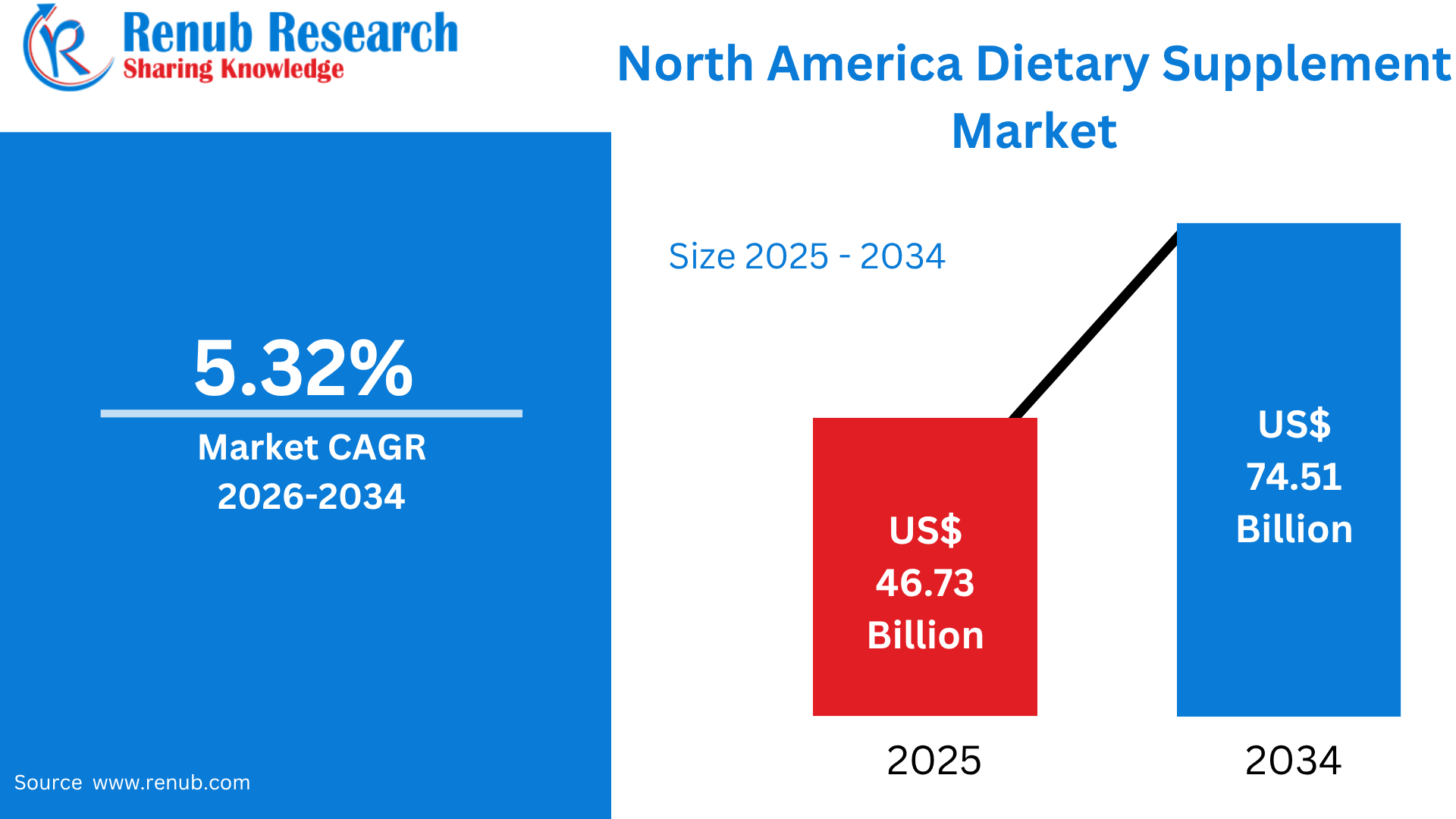
The North America Dietary Supplement Market is projected to grow from US$46.73 billion in 2025 to US$74.51 billion by 2034, expanding at a CAGR of 5.32% during 2026–2034. Market growth is being supported by increasing consumer awareness of nutrition, preventive healthcare, and healthy aging, alongside rising demand for products that support immunity, energy, digestive health, bone health, and overall wellness. The growing popularity of functional nutrition and personalized supplementation is encouraging manufacturers to introduce targeted formulations, including vitamins, minerals, probiotics, botanical extracts, omega-3 products, and specialty supplements.
What Are Dietary Supplements and Why Are They Popular in North America?
Dietary supplements are products designed to complement the regular diet by providing nutrients or other beneficial substances, including vitamins, minerals, amino acids, herbs, botanicals, enzymes, probiotics, and omega-3 fatty acids. They are available in various formats such as capsules, tablets, powders, gummies, soft gels, and liquid formulations. In North America, dietary supplements are widely used to support immune function, bone and joint health, digestive wellness, energy, heart health, sports performance, and healthy aging. Vitamin D, calcium, magnesium, multivitamins, probiotics, and omega-3 supplements are among the commonly consumed categories.
The market has gained popularity as consumers increasingly focus on preventive healthcare, nutrition, fitness, and wellness. In the United States, approximately three-quarters of adults use dietary supplements, according to industry surveys, demonstrating the category’s broad consumer penetration. Aging populations, rising health consciousness, increasing participation in fitness activities, and growing interest in personalized nutrition are further supporting demand. E-commerce and direct-to-consumer channels have also expanded access to supplements. Meanwhile, manufacturers are introducing plant-based, clean-label, sugar-free, personalized, and scientifically formulated products, strengthening consumer interest and supporting continued market growth across North America.
Key Factors Supporting Dietary Supplement Demand in the United States
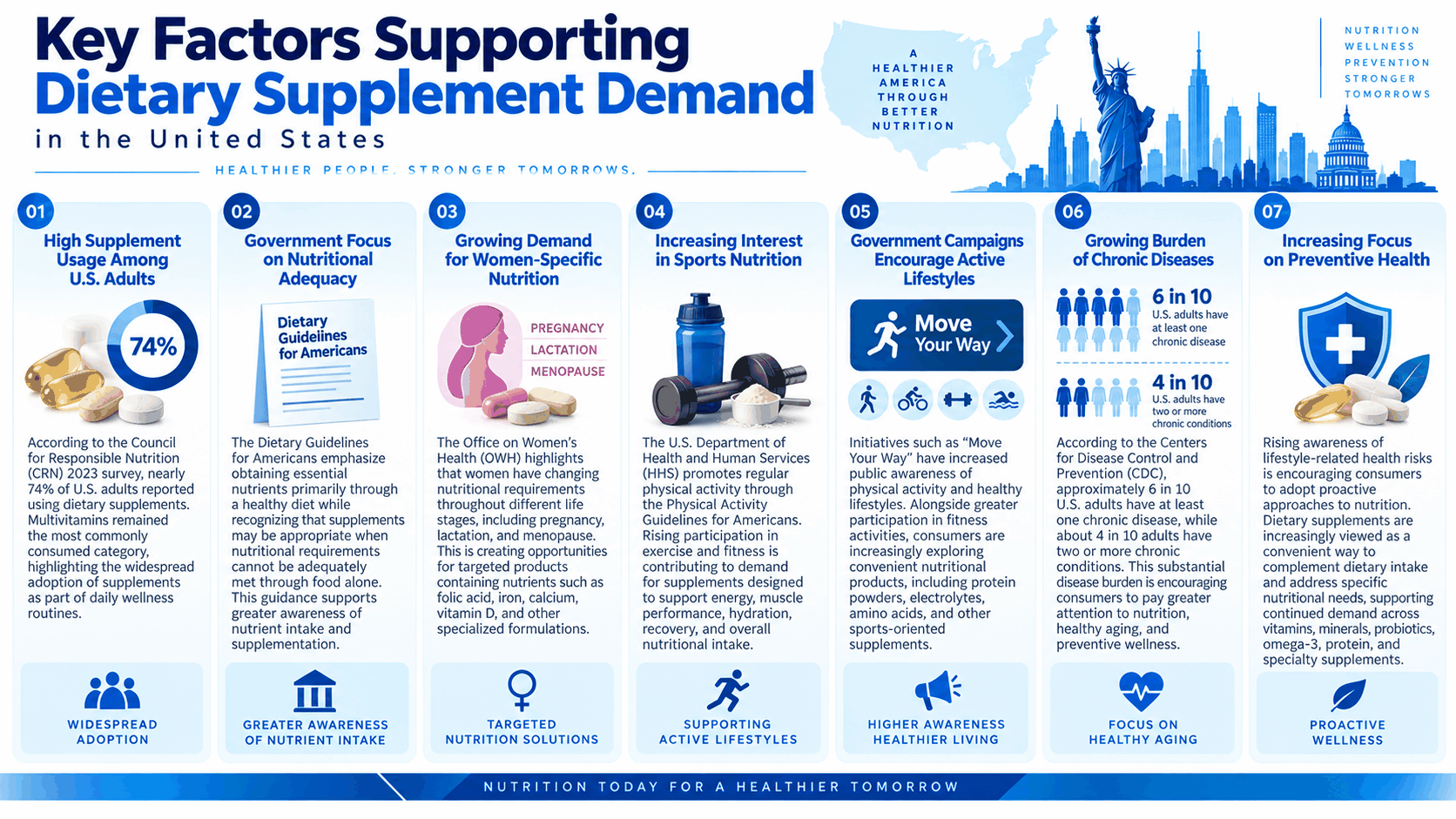
- High Supplement Usage Among U.S. Adults: According to the Council for Responsible Nutrition (CRN) 2023 survey, nearly 74% of U.S. adults reported using dietary supplements. Multivitamins remained the most commonly consumed category, highlighting the widespread adoption of supplements as part of daily wellness routines.
- Government Focus on Nutritional Adequacy: The Dietary Guidelines for Americans emphasize obtaining essential nutrients primarily through a healthy diet while recognizing that supplements may be appropriate when nutritional requirements cannot be adequately met through food alone. This guidance supports greater awareness of nutrient intake and supplementation.
- Growing Demand for Women-Specific Nutrition: The Office on Women’s Health (OWH) highlights that women have changing nutritional requirements throughout different life stages, including pregnancy, lactation, and menopause. This is creating opportunities for targeted products containing nutrients such as folic acid, iron, calcium, vitamin D, and other specialized formulations.
- Increasing Interest in Sports Nutrition: The U.S. Department of Health and Human Services (HHS) promotes regular physical activity through the Physical Activity Guidelines for Americans. Rising participation in exercise and fitness is contributing to demand for supplements designed to support energy, muscle performance, hydration, recovery, and overall nutritional intake.
- Government Campaigns Encourage Active Lifestyles: Initiatives such as “Move Your Way” have increased public awareness of physical activity and healthy lifestyles. Alongside greater participation in fitness activities, consumers are increasingly exploring convenient nutritional products, including protein powders, electrolytes, amino acids, and other sports-oriented supplements.
- Growing Burden of Chronic Diseases: According to the Centers for Disease Control and Prevention (CDC), approximately 6 in 10 U.S. adults have at least one chronic disease, while about 4 in 10 adults have two or more chronic conditions. This substantial disease burden is encouraging consumers to pay greater attention to nutrition, healthy aging, and preventive wellness.
- Increasing Focus on Preventive Health: Rising awareness of lifestyle-related health risks is encouraging consumers to adopt proactive approaches to nutrition. Dietary supplements are increasingly viewed as a convenient way to complement dietary intake and address specific nutritional needs, supporting continued demand across vitamins, minerals, probiotics, omega-3, protein, and specialty supplements.
Growth Drivers of the North America Dietary Supplement Market
Rising Health Awareness and Preventive Healthcare Trends
Growing consumer awareness of nutrition, wellness, and preventive healthcare is a major driver of the North America dietary supplement market. Consumers are increasingly using supplements to complement their diets and support immunity, bone health, cardiovascular wellness, digestion, energy, and healthy aging. In the United States, approximately three-quarters of adults report using dietary supplements, demonstrating the strong penetration of supplements among consumers. The aging population is another important factor, as older adults increasingly seek calcium, vitamin D, magnesium, omega-3, and other products associated with healthy aging. According to the U.S. Census Bureau, the number of Americans aged 65 years and older reached more than 61 million in 2024, representing nearly 18% of the population. In addition, rising awareness of micronutrient deficiencies and lifestyle-related health concerns is encouraging consumers to adopt proactive nutritional strategies. Manufacturers are responding with targeted products for immunity, sleep, stress management, gut health, sports nutrition, and women’s health. The combination of preventive healthcare awareness, aging demographics, and expanding wellness culture is expected to sustain demand for dietary supplements across North America.
Growing Demand for Functional and Personalized Nutrition
The increasing popularity of functional nutrition and personalized supplementation is creating significant opportunities for dietary supplement manufacturers in North America. Consumers are moving beyond traditional multivitamins and increasingly seeking products designed around specific health objectives, including digestive health, cognitive performance, immunity, energy, sleep, and sports recovery. Probiotics, omega-3 fatty acids, botanical extracts, protein supplements, and specialty vitamins are benefiting from this shift. The U.S. sports and nutrition segment is also supported by widespread participation in physical activity, with millions of Americans engaging in recreational exercise and fitness programs. At the same time, advances in digital health and nutrition testing are encouraging personalized supplement recommendations based on age, lifestyle, dietary patterns, and individual nutritional needs. Personalized nutrition is particularly attractive to younger consumers who are comfortable using digital platforms to purchase and manage wellness products. Manufacturers are also introducing customized subscription plans, personalized vitamin packs, and condition-specific formulations. Demand for clean-label, plant-based, sugar-free, vegan, and organic supplements is further expanding the product landscape. This movement toward targeted and personalized wellness solutions is expected to increase supplement consumption and premium product sales throughout North America.
Expansion of E-Commerce and Direct-to-Consumer Distribution
Rapid expansion of e-commerce, online pharmacies, and direct-to-consumer (DTC) platforms is significantly improving access to dietary supplements across North America. Consumers can now compare formulations, ingredients, prices, reviews, and health claims across numerous brands without visiting physical stores. The United States has one of the world’s largest e-commerce markets, with U.S. retail e-commerce sales reaching approximately US$1.23 trillion in 2025, according to Census Bureau estimates. This highly developed digital shopping environment provides an effective distribution channel for vitamins, minerals, herbal supplements, sports nutrition products, probiotics, and specialty formulations. Subscription-based purchasing is also gaining popularity because supplements are typically consumed regularly and require frequent replenishment. DTC brands benefit from social media marketing, influencer partnerships, personalized recommendations, and customer data that can be used to develop targeted products. Traditional retailers, including pharmacies, supermarkets, warehouse clubs, and specialty health stores, are simultaneously strengthening their online presence. The combination of physical and digital retail is increasing product visibility and availability. As consumers become increasingly comfortable purchasing health and wellness products online, e-commerce is expected to remain a key growth engine for the North American dietary supplement market.
Challenges of the North American Dietary Supplement Market
Regulatory Complexity and Product Quality Concerns
Regulatory requirements, product quality, and consumer trust remain important challenges for the North American dietary supplement market. In the United States, dietary supplements are regulated under the Dietary Supplement Health and Education Act (DSHEA), while manufacturers are responsible for ensuring that their products meet applicable safety and labeling requirements. Unlike prescription medicines, dietary supplements generally do not require FDA premarket approval for safety and effectiveness before being marketed. This creates challenges related to product quality, ingredient consistency, contamination, inaccurate labeling, and unsupported health claims. The FDA has repeatedly issued warning letters and other regulatory actions involving dietary supplements that violate applicable requirements. The enormous number of products and ingredients available in the market makes consistent oversight challenging. Consumers are also becoming more attentive to third-party testing, clinical evidence, ingredient sourcing, and transparency. Consequently, manufacturers are increasingly investing in Good Manufacturing Practices (GMP), third-party certification, traceability, and scientific validation to strengthen credibility. Companies that fail to maintain consistent quality may face recalls, regulatory action, reputational damage, and loss of consumer confidence. Stronger quality-control systems and transparent communication will therefore remain essential for sustainable market development.
Consumer Price Sensitivity and Competition from Alternative Wellness Products
Price sensitivity and intense competition represent another challenge for the North American dietary supplement industry. Consumers have access to thousands of supplement products across pharmacies, supermarkets, specialty stores, fitness retailers, online marketplaces, and DTC websites. This highly fragmented environment creates significant pressure on manufacturers to differentiate products while maintaining competitive pricing. Premium supplements containing patented ingredients, clinically studied compounds, organic botanicals, or specialized delivery systems can command higher prices, but inflation and household budget pressures may encourage consumers to choose lower-cost alternatives. Competition is also increasing from functional foods and beverages, which can provide vitamins, minerals, probiotics, proteins, and other nutrients without requiring consumers to take conventional pills or capsules. For example, consumers may choose fortified beverages, protein bars, functional snacks, or probiotic foods instead of standalone supplements. In addition, changing consumer preferences can rapidly shift demand between supplement categories. Companies therefore need to continually innovate in formulations, delivery formats, packaging, and evidence-based positioning. Maintaining product affordability while investing in clinical research, quality assurance, and innovation will remain a key challenge for market participants.
Powder Dietary Supplement Launches in North America
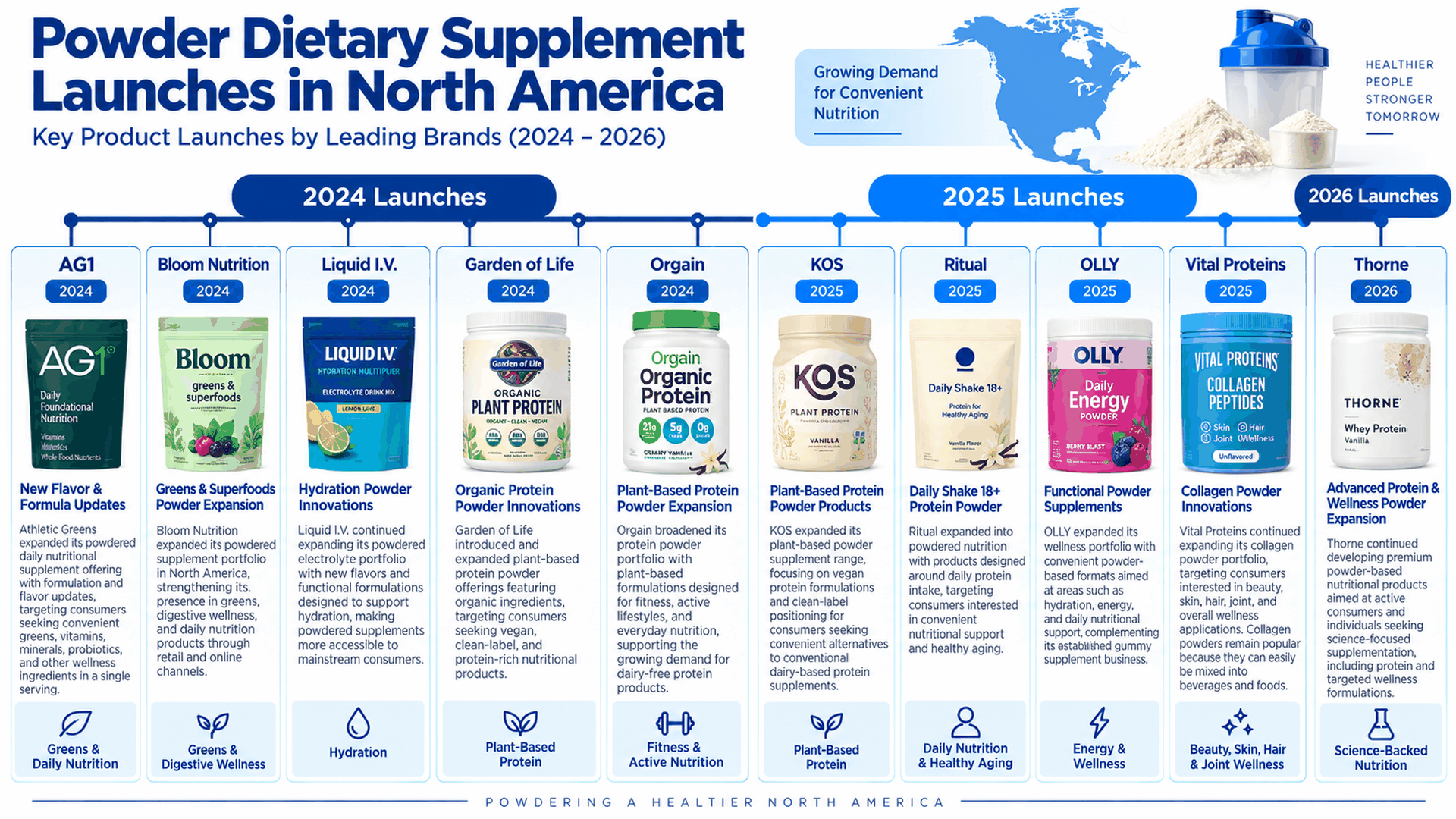
- 1. AG1 – New Flavor & Formula Updates (2024): Athletic Greens expanded its powdered daily nutritional supplement offering with formulation and flavor updates, targeting consumers seeking convenient greens, vitamins, minerals, probiotics, and other wellness ingredients in a single serving.
- 2. Bloom Nutrition – Greens & Superfoods Powder Expansion (2024): Bloom Nutrition expanded its powdered supplement portfolio in North America, strengthening its presence in greens, digestive wellness, and daily nutrition products through retail and online channels.
- 3. Liquid I.V. – Hydration Powder Innovations (2024): Liquid I.V. continued expanding its powdered electrolyte portfolio with new flavors and functional formulations designed to support hydration, making powdered supplements more accessible to mainstream consumers.
- 4. Garden of Life – Organic Protein Powder Innovations (2024): Garden of Life introduced and expanded plant-based protein powder offerings featuring organic ingredients, targeting consumers seeking vegan, clean-label, and protein-rich nutritional products.
- 5. Orgain – Plant-Based Protein Powder Expansion (2024): Orgain broadened its protein powder portfolio with plant-based formulations designed for fitness, active lifestyles, and everyday nutrition, supporting the growing demand for dairy-free protein products.
- 6. KOS – Plant-Based Protein Powder Products (2025): KOS expanded its plant-based powder supplement range, focusing on vegan protein formulations and clean-label positioning for consumers seeking convenient alternatives to conventional dairy-based protein supplements.
- 7. Ritual – Daily Shake 18+ Protein Powder (2025): Ritual expanded into powdered nutrition with products designed around daily protein intake, targeting consumers interested in convenient nutritional support and healthy aging.
- 8. OLLY – Functional Powder Supplements (2025): OLLY expanded its wellness portfolio with convenient powder-based formats aimed at areas such as hydration, energy, and daily nutritional support, complementing its established gummy supplement business.
- 9. Vital Proteins – Collagen Powder Innovations (2025): Vital Proteins continued expanding its collagen powder portfolio, targeting consumers interested in beauty, skin, hair, joint, and overall wellness applications. Collagen powders remain popular because they can easily be mixed into beverages and foods.
- 10. Thorne – Advanced Protein & Wellness Powder Expansion (2026): Thorne continued developing premium powder-based nutritional products aimed at active consumers and individuals seeking science-focused supplementation, including protein and targeted wellness formulations.
Strong Demand for Preventive Nutrition in North America
North America Vitamins & Supplements Market is supported by widespread consumer adoption of products intended to maintain immunity, energy, bone health, cardiovascular wellness, and healthy aging. In the United States, approximately three-quarters of adults use dietary supplements, demonstrating the category’s strong penetration. Multivitamins, vitamin D, vitamin C, calcium, magnesium, and omega-3 products remain among the most widely recognized supplement categories. The aging population is another important growth factor, with the U.S. population aged 65 years and older exceeding 61 million in 2024. Increasing awareness of nutrient deficiencies and preventive healthcare is encouraging consumers to incorporate supplements into daily routines. Manufacturers are responding with gummies, soft gels, powders, liquids, and personalized formulations that appeal to different age groups and lifestyles. Clean-label, plant-based, organic, and sugar-free products are also gaining attention. Pharmacies, supermarkets, health stores, and e-commerce platforms provide extensive product availability, while direct-to-consumer brands are expanding consumer choice. Growing wellness expenditure and demand for convenient nutritional solutions are expected to maintain strong momentum in the North American vitamins and supplements segment.
North America Sports Nutrition and Healthy Aging Drive Adoption
North America Proteins and Amino Acids Market is expanding due to increasing interest in sports nutrition, muscle development, weight management, and healthy aging. Protein supplements are widely consumed by athletes, fitness enthusiasts, and consumers seeking convenient sources of high-quality protein. The United States has a particularly strong fitness and sports nutrition culture, supporting demand for whey, casein, soy, pea, rice, and other plant-based proteins. The growing popularity of plant-based diets is encouraging manufacturers to develop alternative protein formulations with improved taste, texture, and nutritional profiles. Amino acids such as BCAAs, leucine, glutamine, and arginine are also used in sports and performance-focused formulations. Protein powders, ready-to-drink beverages, bars, and functional snacks have expanded beyond specialized sports channels into mainstream retail. Older consumers are increasingly interested in protein intake because adequate dietary protein is associated with maintaining muscle mass during aging. Product innovation is also focusing on low-sugar, clean-label, lactose-free, and vegan formulations. These trends are supporting broader protein and amino-acid consumption across North America.
Growing Focus on Digestive and Immune Health in North America
North America Probiotics Market is benefiting from growing consumer awareness of the relationship between the gut microbiome, digestion, immunity, and overall wellness. Probiotic products contain live microorganisms that are consumed in foods, beverages, and dietary supplements. Common probiotic strains include Lactobacillus and Bifidobacterium, while newer formulations increasingly use multiple strains and specialized microorganisms. Consumer interest is being supported by the growing popularity of digestive-health products and functional nutrition. Probiotics are available through capsules, powders, gummies, yogurts, fermented foods, and functional beverages, giving consumers multiple consumption options. The U.S. market has particularly strong demand for supplements positioned around digestive wellness, immune support, and women’s health. Product innovation is also moving toward strain-specific formulations, shelf-stable probiotics, synbiotics, and personalized microbiome solutions. E-commerce has further expanded access to specialized probiotic products, while pharmacies and supermarkets provide mass-market distribution. Increasing interest in preventive health and the gut-brain connection is encouraging consumers to explore microbiome-focused nutrition. Continued scientific research and improved formulation technologies are expected to support the long-term development of the North American probiotics market.
Broad Retail Accessibility Supports North America Sales
North America Powder Dietary Supplements Supermarkets/Hypermarkets Market is benefiting from the extensive retail presence of large-format stores that provide consumers with convenient access to vitamins, protein powders, sports nutrition, meal-replacement products, and other powdered supplements. Supermarkets and hypermarkets attract consumers through broad product selections, competitive pricing, promotional offers, and private-label brands. Powdered supplements are particularly attractive because they can be mixed into water, milk, smoothies, and other beverages and are available in formats targeting protein intake, energy, hydration, immunity, and general nutrition. The popularity of protein powders and functional nutrition products has expanded the category beyond traditional sports users into mainstream households. Large retailers are also increasing shelf space for plant-based, organic, sugar-free, and specialty formulations to meet changing consumer preferences. North America’s well-developed grocery retail infrastructure provides manufacturers with access to a large consumer base. Promotions, loyalty programs, bulk-pack options, and seasonal health campaigns can further stimulate purchases. The growing integration of physical stores with online ordering and pickup services is also improving accessibility and supporting continued sales through supermarkets and hypermarkets.
Trusted Healthcare Channels Strengthen Consumer Adoption in North America
North America Powder Dietary Supplements Pharmacies and Drug Stores Market benefits from the trusted position of pharmacy-based retail channels and their proximity to healthcare consumers. Pharmacies and drug stores offer powdered supplements ranging from protein and nutritional powders to electrolyte mixes, fiber products, meal-replacement formulations, and specialty nutritional products. Consumers often view pharmacies as reliable locations for purchasing health-related products, making these channels particularly important for individuals seeking supplements associated with specific nutritional needs. The aging population further supports demand because older consumers frequently purchase vitamins, minerals, protein products, and nutritional supplements alongside prescription and over-the-counter medicines. Pharmacists and healthcare professionals can also influence purchasing decisions by providing general guidance regarding supplement use, although supplements should not be considered substitutes for medical treatment. Major pharmacy chains are expanding their digital shopping capabilities, enabling customers to order supplements online for delivery or store pickup. Private-label products can provide lower-cost alternatives to premium brands, helping pharmacies serve price-sensitive consumers. As preventive healthcare, healthy aging, and nutritional wellness gain importance, pharmacies and drug stores are expected to remain significant distribution channels for powdered dietary supplements across North America.
USA Powder Consumer Powder Dietary Supplements Demand and Retail Penetration
The USA Powder Dietary Supplements Market is expanding as consumers increasingly seek convenient nutritional products for fitness, wellness, healthy aging, immunity, and weight management. The United States is the largest dietary supplement market in North America, with approximately three-quarters of U.S. adults reporting dietary supplement use, providing a substantial consumer base. Powder formats are particularly popular because they can be mixed with water, milk, smoothies, or other beverages and allow flexible dosage. Protein powders represent an important category, supported by the country’s strong fitness and sports nutrition culture. Other products include electrolyte powders, collagen, fiber, greens, meal replacements, vitamins, and functional nutrition blends. The U.S. population aged 65 and older exceeded 61 million in 2024, increasing demand for products supporting bone health, muscle maintenance, and healthy aging. E-commerce, direct-to-consumer brands, pharmacies, warehouse clubs, supermarkets, and specialty nutrition stores provide extensive distribution coverage. Product innovation around plant-based, sugar-free, organic, clean-label, and personalized formulations is further strengthening demand. These factors are expected to support sustained growth of the U.S. powder dietary supplements market.
Wellness Trends and Functional Nutrition Support Canada Powder Dietary Supplements Growth
Canada Powder Dietary Supplements Market is benefiting from increasing health consciousness, preventive healthcare awareness, sports participation, and demand for convenient nutritional products. Canada’s population exceeds 40 million, providing a sizable consumer base for vitamins, minerals, protein products, probiotics, and other nutritional supplements. Powder formulations are gaining attention because they offer convenience and can be incorporated into beverages, smoothies, and meals. Protein powders are particularly relevant among fitness consumers, while collagen, greens, electrolyte, fiber, and meal-replacement powders are expanding the category beyond traditional sports nutrition. Canada’s aging population is another important opportunity, with people aged 65 years and older representing roughly one-fifth of the population, increasing interest in products associated with healthy aging, muscle health, and bone support. Consumers are also showing greater interest in plant-based and clean-label products, encouraging manufacturers to develop pea, rice, hemp, and other alternative protein formulations. Pharmacies, supermarkets, health-food retailers, fitness stores, and online platforms provide broad distribution. Greater e-commerce penetration and direct-to-consumer purchasing are improving access to specialized products, while product innovation and growing wellness awareness are expected to maintain market expansion.
Rising Fitness and Health Awareness Create New Opportunities in Mexico Powder Dietary Supplements
Mexico Powder Dietary Supplements Market is experiencing increasing demand as consumers become more aware of fitness, nutrition, preventive healthcare, and functional wellness. Mexico has a population of more than 130 million, creating a large potential consumer base for nutritional products. Powder supplements are increasingly used for protein intake, sports performance, weight management, hydration, energy, and general nutrition. Protein powders are particularly supported by the expansion of gyms, fitness centers, sports activities, and interest in healthier lifestyles among younger consumers. At the same time, growing awareness of obesity, diabetes, and other lifestyle-related health concerns is encouraging consumers to pay greater attention to nutrition and wellness. Mexico’s large urban centers, including Mexico City, Guadalajara, and Monterrey, represent important markets because of higher retail availability and stronger adoption of modern wellness products. Pharmacies, supermarkets, specialty nutrition stores, gyms, and e-commerce platforms are expanding product accessibility. Manufacturers are increasingly introducing affordable local formulations, plant-based proteins, low-sugar products, and convenient single-serving powders to appeal to price-conscious consumers. Continued urbanization, rising health awareness, and expanding digital retail channels are expected to support the long-term growth of Mexico’s powder dietary supplements market.
Recent Developments in North America Dietary Supplement Market
- January 2025: Ancient Nutrition was acquired by Wellful, Inc., a major participant in the health and nutrition industry. It is anticipated that this strategic acquisition will further strengthen Wellful's position in the online market for vitamin, mineral, and supplement (VMS) products, allowing the business to increase the range of items it offers and reach a wider customer base.
- September 2024: One A Day, a well-known brand of multivitamins and supplements from Bayer, has introduced Age Factor Cell Defense, its newest product. For people dealing with the difficulties of aging, this new dietary supplement seeks to support cellular health.
- AddiVance, a stimulant-free dietary supplement, was introduced by Medella Springs Healthcare in February 2024 to address common nutritional imbalances in those who exhibit impulsive behavior and lack of focus. According to the company, the product is manufactured at FDA-registered facilities in the United States, tested, and created using premium ingredients sourced at cGMP facilities.
North America Dietary Supplement Market Segments
Product Type
- Vitamins and Minerals
- Proteins and Amino Acids
- Fatty Acids
- Herbal Supplements
- Enzymes
- Other
Form
- Soft Gels
- Capsules
- Tablets
- Powder
- Gummies
- Liquids
- Others
Application
- General Health
- Energy and Weight Management
- Gastrointestinal Health
- Bone and Joint Health
- Immunity
- Cardiac Arrest
- Diabetes
- Anti-Cancer
- Others
Distribution Channel
- Supermarkets/hypermarkets
- Pharmacies/drug Stores
- Online Retail Stores
- Other
Country
- United States
- Canada
- Mexico
- Rest of North America
All companies have been covered from 5 viewpoints:
- Overviews
- Key Person
- Recent Developments
- SWOT Analysis
- Revenue Analysis
Key Players Analysis
- Abbott
- Amway Corporation
- Glanbia PLC
- Bayer AG
- NOW Food
- The Carlyle Group
- Nutraceutics Inc.
- Herbalife Nutrition
- Forest Remedies
- Procter & Gamble
Report Details:
| Report Features | Details |
| Base Year |
2024 |
| Historical Period |
2020 - 2024 |
| Forecast Period |
2025 - 2033 |
| Market |
US$ Billion |
| Segment Covered |
Type, Form, Application, Distribution Channel and Countries |
| Countries Covered |
|
| Companies Covered |
|
| Customization Scope |
20% Free Customization |
| Post-Sale Analyst Support |
1 Year (52 Weeks) |
| Delivery Format |
PDF and Excel through Email (We can also provide the editable version of the report in PPT/Word format on request) |
Key Questions Answered in This Report:
-
What is the projected market size of the North America dietary supplement market by 2033?
-
What is the expected compound annual growth rate (CAGR) of the market from 2025 to 2033?
-
Which factors are driving the growth of the dietary supplement market in North America?
-
What are the major product types covered in the market analysis?
-
How is the aging population influencing the demand for dietary supplements in North America?
-
What role does e-commerce play in the expansion of the dietary supplement market?
-
What are the key challenges faced by the dietary supplement market in North America?
-
Which distribution channels are analyzed in the report for dietary supplement sales?
-
What is the significance of personalized nutrition in the dietary supplement industry?
-
Which key players are dominating the North America dietary supplement market?
Customization Services available
- Analysis of Market Size and Its Segments
- More Company Profiles (Upto 10 without any additional cost):
- Additional Countries (Other than mentioned Countries):
- Region/Country Specific Reports:
- Market Entry Strategy:
- Region-Specific Market Dynamics:
- Regional Market Share Analysis:
- Trade Analysis:
- Production Insights:
- Others Customized Requests:
For more information contact our analysts.
Need More Assistance?
- Talk to our analysts to get more precious information on the current market trends.
- Include more countries and segments and customize the report based on the final requirement.
- Get a competitive advantage in your industry by knowing the report findings and making a positive impact on your revenues and operations.
- Our analysts are always ready to provide more help and pertinent information if you need any additional assistance.