Global Liver Disease Therapeutic Market Report by Therapy Type, Disease Type, End Users, Countries and Company Analysis 2026-2034
Buy NowLiver Disease Therapeutics Market Size and Growth Outlook
Liver Disease Therapeutics Market is projected to expand from approximately US$22.53 billion in 2025 to US$39.41 billion by 2034, registering a CAGR of 6.41% during 2026–2034. Market growth is being driven by the rising burden of chronic liver disorders, increasing demand for effective pharmacological treatments, and continued advances in drug development. Growing investments in RNA-based therapies, targeted treatments, and novel drug-delivery technologies are creating new opportunities for addressing complex liver conditions. At the same time, major pharmaceutical acquisitions, strategic collaborations, and licensing agreements are strengthening the development and commercialization of innovative therapies.
What Are Liver Disease Therapeutics and Their Uses & Popularity Worldwide?
Liver disease therapeutics are medicines and treatment approaches used to prevent, manage, or slow the progression of disorders affecting liver function. They are used across a broad range of conditions, including hepatitis B and C, metabolic dysfunction-associated steatohepatitis (MASH/NASH), alcoholic liver disease, liver fibrosis, cirrhosis, and other chronic liver disorders. Depending on the condition, treatments may include antiviral medicines, anti-inflammatory and antifibrotic therapies, metabolic therapies, immunosuppressants, and supportive medications. In advanced cases, therapeutic management may also be combined with procedures or liver transplantation. The worldwide demand for liver disease therapeutics is increasing because chronic liver diseases affect more than 1.5 billion people globally, creating a substantial need for effective diagnosis and long-term treatment. Rising rates of obesity, diabetes, alcohol consumption, and viral hepatitis are contributing to the growing disease burden. Pharmaceutical companies are therefore investing heavily in RNA-based treatments, targeted therapies, and novel drugs for MASH/NASH and liver fibrosis. Increasing disease awareness, improved diagnostic capabilities, expanding clinical pipelines, and regulatory advances are further strengthening the global market. The development of more effective and disease-modifying therapies is expected to increase the importance and adoption of liver disease therapeutics worldwide.
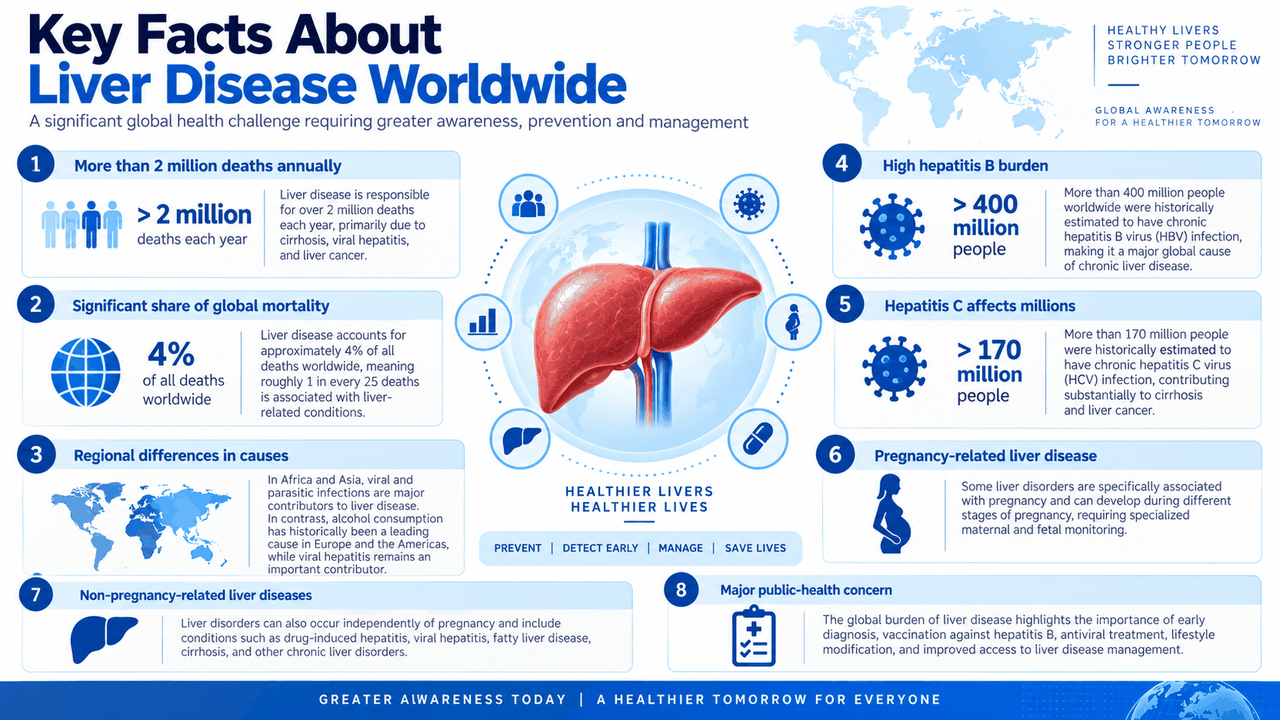
Key Facts About Liver Disease Worldwide
- More than 2 million deaths annually: Liver disease is responsible for over 2 million deaths each year, primarily due to cirrhosis, viral hepatitis, and liver cancer.
- Significant share of global mortality: Liver disease accounts for approximately 4% of all deaths worldwide, meaning roughly 1 in every 25 deaths is associated with liver-related conditions.
- Regional differences in causes: In Africa and Asia, viral and parasitic infections are major contributors to liver disease. In contrast, alcohol consumption has historically been a leading cause in Europe and the Americas, while viral hepatitis remains an important contributor.
- High hepatitis B burden: More than 400 million people worldwide were historically estimated to have chronic hepatitis B virus (HBV) infection, making it a major global cause of chronic liver disease.
- Hepatitis C affects millions: More than 170 million people were historically estimated to have chronic hepatitis C virus (HCV) infection, contributing substantially to cirrhosis and liver cancer.
- Pregnancy-related liver disease: Some liver disorders are specifically associated with pregnancy and can develop during different stages of pregnancy, requiring specialized maternal and fetal monitoring.
- Non-pregnancy-related liver diseases: Liver disorders can also occur independently of pregnancy and include conditions such as drug-induced hepatitis, viral hepatitis, fatty liver disease, cirrhosis, and other chronic liver disorders.
- Major public-health concern: The global burden of liver disease highlights the importance of early diagnosis, vaccination against hepatitis B, antiviral treatment, lifestyle modification, and improved access to liver disease management.
Growth Drivers of the Global Liver Disease Therapeutics Market
Rising Global Burden of Chronic Liver Diseases
The increasing prevalence of chronic liver diseases is a major driver of the global liver disease therapeutics market. More than 1.5 billion people worldwide are estimated to live with chronic liver disease, creating substantial demand for long-term diagnosis and treatment. Viral hepatitis remains an important contributor, with the World Health Organization estimating that approximately 254 million people were living with hepatitis B and 50 million with hepatitis C in 2022. At the same time, metabolic disorders are increasing the burden of MASH/NASH and liver fibrosis. Rising obesity and diabetes rates are particularly important because metabolic dysfunction is closely associated with fatty liver disease. The International Diabetes Federation estimates that approximately 589 million adults aged 20–79 years were living with diabetes in 2024, providing a large population at risk of metabolic liver complications. Alcohol consumption also contributes to alcoholic liver disease and advanced liver damage in many regions. As more patients progress from early-stage disease to fibrosis, cirrhosis, and other complications, the need for effective pharmacological interventions is increasing. This expanding patient pool is expected to support sustained demand for liver disease therapeutics.
Advancements in MASH/NASH and Disease-Modifying Therapies
Rapid progress in MASH/NASH, liver fibrosis, and targeted therapeutic development is creating significant opportunities for the liver disease therapeutics market. MASH, formerly known as NASH, is strongly associated with obesity, insulin resistance, and type 2 diabetes and has become a major focus of pharmaceutical research. The global MASH patient population is estimated to be in the hundreds of millions, although only a proportion develop advanced fibrosis requiring intensive medical management. A major milestone occurred in March 2024, when the U.S. FDA approved resmetirom as the first treatment specifically indicated for adults with noncirrhotic MASH with moderate-to-advanced liver fibrosis. This regulatory development demonstrated the potential for disease-modifying therapies and encouraged further investment in the therapeutic pipeline. Pharmaceutical companies are also investigating GLP-1-based approaches, thyroid hormone receptor agonists, antifibrotic agents, RNA therapies, and combination treatments. Improvements in biomarkers, imaging, and non-invasive diagnostic technologies are helping identify patients earlier and improve clinical-trial recruitment. As research progresses from symptom management toward therapies that directly address fibrosis and disease progression, the commercial opportunity for innovative liver therapeutics is expected to expand.
Increasing Investment, Strategic Partnerships, and Innovative Drug Platforms
Growing pharmaceutical investment and the development of RNA-based, precision, and targeted therapies are accelerating innovation across the liver disease therapeutics market. Liver diseases are particularly suitable for certain advanced therapeutic platforms because the liver plays a central role in metabolism and protein production, making it an attractive target for nucleic-acid and gene-regulation approaches. Pharmaceutical and biotechnology companies are increasing spending on clinical research targeting MASH, fibrosis, viral hepatitis, alcoholic hepatitis, and rare liver disorders. The broader pharmaceutical industry invests hundreds of billions of dollars annually in research and development, while liver disease has become an increasingly important area for partnerships, licensing agreements, and acquisitions. Strategic collaborations allow smaller biotechnology companies with promising molecules to access the manufacturing, regulatory, and commercialization capabilities of larger pharmaceutical companies. At the same time, breakthrough-designated and fast-track candidates can potentially shorten development timelines for therapies addressing serious diseases with limited treatment options. Advances in siRNA, antisense oligonucleotides, monoclonal antibodies, small molecules, and combination therapies are broadening the therapeutic pipeline. Continued funding, partnerships, and technology development are therefore expected to strengthen innovation and increase the number of commercially viable liver disease treatments.
Challenges of the Global Liver Disease Therapeutics Market
High Treatment Costs and Limited Healthcare Access
High treatment costs and unequal access to healthcare remain significant challenges for the global liver disease therapeutics market, particularly in low- and middle-income countries. Although viral hepatitis and metabolic liver diseases affect populations worldwide, access to advanced diagnostics and innovative medicines varies considerably between regions. The World Health Organization estimates that approximately 80% of people living with hepatitis B or C remain undiagnosed, demonstrating the substantial global treatment gap. Even when patients are diagnosed, access to specialist care and advanced medicines can be limited by healthcare infrastructure, reimbursement restrictions, and affordability. New disease-modifying therapies can also carry substantial costs, placing pressure on insurers, healthcare systems, and patients. This is particularly relevant for chronic liver diseases because treatment can require long-term monitoring and combination management. In lower-income countries, shortages of specialists, diagnostic equipment, and healthcare facilities can delay treatment until patients develop advanced disease. Pharmaceutical companies and governments are therefore under increasing pressure to improve affordability, expand screening, and strengthen healthcare infrastructure. Broader availability of generic medicines, public-health programs, negotiated pricing, and simplified treatment pathways will be important for expanding access to liver disease therapeutics globally.
Complex Disease Diagnosis and Long Clinical Development Timelines
Late diagnosis, disease heterogeneity, and lengthy clinical development processes represent another major challenge for the liver disease therapeutics market. Many chronic liver disorders can remain asymptomatic for years, allowing liver damage and fibrosis to progress before patients seek medical attention. This is particularly problematic for MASH/NASH, where symptoms may be limited during the early stages. Although non-invasive tools such as ultrasound-based elastography, blood-based biomarkers, and advanced imaging are improving detection, access to these technologies remains uneven. Clinical trials for liver therapeutics can also be complex because researchers need to demonstrate meaningful improvements in fibrosis, inflammation, or long-term clinical outcomes. Some liver diseases progress slowly, potentially requiring extended follow-up periods to establish whether a treatment reduces cirrhosis, liver failure, or mortality. Furthermore, patients frequently have multiple conditions such as obesity, diabetes, cardiovascular disease, or alcohol-related disorders, making treatment responses more difficult to evaluate. Regulatory requirements for demonstrating safety and efficacy can therefore increase development timelines and costs. Companies must balance innovation with rigorous clinical validation, while healthcare providers need reliable diagnostic tools to identify appropriate patients. These factors can delay commercialization and increase the overall cost of developing new liver disease therapeutics.
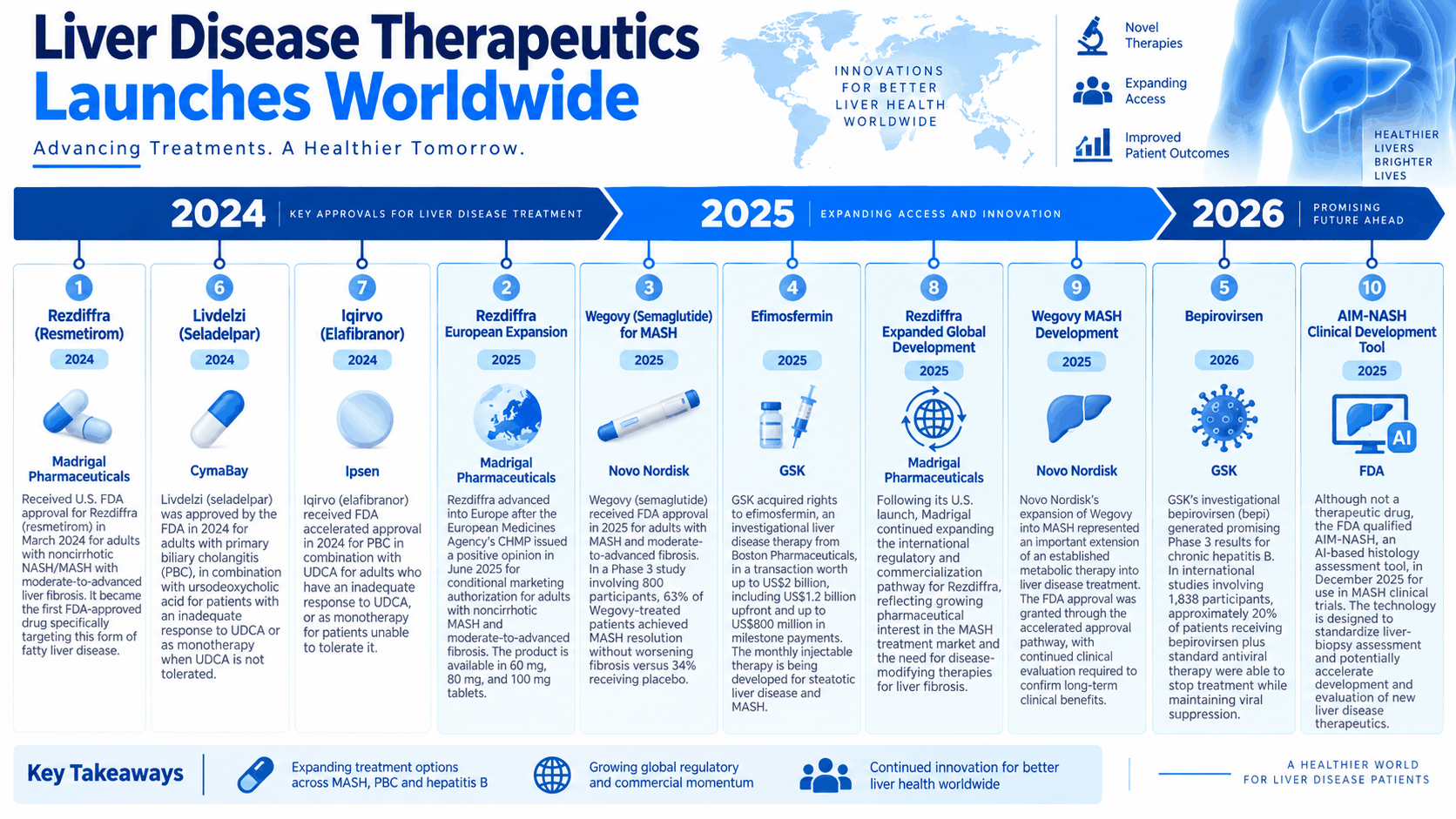
Liver Disease Therapeutics Launches Worldwide
- 1. Rezdiffra (Resmetirom) – 2024: Madrigal Pharmaceuticals received U.S. FDA approval for Rezdiffra (resmetirom) in March 2024 for adults with noncirrhotic NASH/MASH with moderate-to-advanced liver fibrosis. It became the first FDA-approved drug specifically targeting this form of fatty liver disease.
- 2. Rezdiffra European Expansion – 2025: Rezdiffra advanced into Europe after the European Medicines Agency’s CHMP issued a positive opinion in June 2025 for conditional marketing authorization for adults with noncirrhotic MASH and moderate-to-advanced fibrosis. The product is available in 60 mg, 80 mg, and 100 mg tablets.
- 3. Wegovy (Semaglutide) for MASH – 2025: Novo Nordisk’s Wegovy (semaglutide) received FDA approval in 2025 for adults with MASH and moderate-to-advanced fibrosis. In a Phase 3 study involving 800 participants, 63% of Wegovy-treated patients achieved MASH resolution without worsening fibrosis versus 34% receiving placebo.
- 4. Efimosfermin – 2025: GSK acquired rights to efimosfermin, an investigational liver disease therapy from Boston Pharmaceuticals, in a transaction worth up to US$2 billion, including US$1.2 billion upfront and up to US$800 million in milestone payments. The monthly injectable therapy is being developed for steatotic liver disease and MASH.
- 5. Bepirovirsen – 2026: GSK’s investigational bepirovirsen (bepi) generated promising Phase 3 results for chronic hepatitis B. In international studies involving 1,838 participants, approximately 20% of patients receiving bepirovirsen plus standard antiviral therapy were able to stop treatment while maintaining viral suppression.
- 6. Livdelzi (Seladelpar) – 2024: CymaBay’s Livdelzi (seladelpar) was approved by the FDA in 2024 for adults with primary biliary cholangitis (PBC), in combination with ursodeoxycholic acid for patients with an inadequate response to UDCA or as monotherapy when UDCA is not tolerated.
- 7. Iqirvo (Elafibranor) – 2024: Ipsen’s Iqirvo (elafibranor) received FDA accelerated approval in 2024 for PBC in combination with UDCA for adults who have an inadequate response to UDCA, or as monotherapy for patients unable to tolerate it.
- 8. Rezdiffra Expanded Global Development – 2025: Following its U.S. launch, Madrigal continued expanding the international regulatory and commercialization pathway for Rezdiffra, reflecting growing pharmaceutical interest in the MASH treatment market and the need for disease-modifying therapies for liver fibrosis.
- 9. Wegovy MASH Development – 2025: Novo Nordisk’s expansion of Wegovy into MASH represented an important extension of an established metabolic therapy into liver disease treatment. The FDA approval was granted through the accelerated approval pathway, with continued clinical evaluation required to confirm long-term clinical benefits.
- 10. AIM-NASH Clinical Development Tool – 2025: Although not a therapeutic drug, the FDA qualified AIM-NASH, an AI-based histology assessment tool, in December 2025 for use in MASH clinical trials. The technology is designed to standardize liver-biopsy assessment and potentially accelerate development and evaluation of new liver disease therapeutics.
Growing Chemotherapy Role in Liver Cancer Treatment
Liver Disease Chemotherapy Drugs Therapeutics Market is primarily supported by the rising incidence of liver cancer and the continued use of systemic chemotherapy in advanced hepatocellular carcinoma (HCC) and other liver malignancies. According to global cancer estimates, more than 900,000 new liver cancer cases are diagnosed worldwide each year, while liver cancer causes more than 800,000 deaths annually, creating substantial demand for effective treatments. Chemotherapy drugs may be used alone or in combination with targeted therapies, immunotherapies, or locoregional procedures depending on disease stage and patient characteristics. Commonly used systemic agents include fluoropyrimidines, platinum-based medicines, and other cytotoxic drugs, although targeted and immune-based therapies are increasingly becoming important in HCC management. In addition, transarterial chemoembolization (TACE) delivers chemotherapy directly to tumors and remains an important treatment approach for selected patients with intermediate-stage disease. Growing cancer diagnosis, improved imaging, expanding oncology infrastructure, and increasing research into combination therapies are supporting market development. However, chemotherapy remains associated with toxicity and is increasingly competing with newer targeted and immunotherapeutic approaches.
Liver Disease Therapeutics Hepatitis Vaccines Prevention Drives Demand
Liver Disease Therapeutics Vaccines Market is strongly influenced by vaccines designed to prevent viral hepatitis, particularly hepatitis B, which is a major cause of chronic liver disease, cirrhosis, and liver cancer. The World Health Organization estimates that approximately 254 million people were living with chronic hepatitis B in 2022, highlighting the enormous global need for preventive vaccination. Hepatitis B vaccination is one of the most effective strategies for reducing future liver-related complications, and WHO recommends that all infants receive a timely birth dose followed by additional doses according to national immunization schedules. Global childhood vaccination coverage has expanded substantially, although gaps remain in several low- and middle-income countries. Hepatitis A vaccines also contribute to prevention of acute liver infection, particularly among populations at higher risk. Unlike hepatitis B, there is currently no commercially available vaccine for hepatitis C, making prevention and antiviral treatment particularly important for HCV control. Increasing government immunization programs, maternal and child health initiatives, travel vaccination, and public awareness campaigns are supporting demand for hepatitis vaccines. Expansion of vaccination coverage can reduce the future burden of chronic liver disease and liver cancer.
Large Patient Pool Supports Treatment Demand for Viral Hepatitis
Viral Hepatitis Liver Disease Therapeutics Market represents one of the largest treatment segments because hepatitis B and hepatitis C collectively affect hundreds of millions of people worldwide. WHO estimates that approximately 254 million people were living with hepatitis B and 50 million with hepatitis C in 2022. Chronic hepatitis B can lead to fibrosis, cirrhosis, liver failure, and hepatocellular carcinoma, creating long-term demand for antiviral management. Nucleos(t)ide analogues such as tenofovir and entecavir remain important treatments for chronic hepatitis B, although many patients require prolonged therapy. Hepatitis C has experienced significant therapeutic advances, with direct-acting antiviral medicines capable of curing more than 95% of HCV infections when appropriately administered. Despite these advances, diagnosis and access to treatment remain major barriers. WHO estimates that around 80% of people living with hepatitis B or C are undiagnosed, demonstrating substantial unmet medical needs. Governments and healthcare organizations are therefore increasing screening, vaccination, harm-reduction, and treatment programs. Expansion of affordable generic antivirals, improved diagnostics, and national hepatitis-elimination strategies are expected to support continued demand for viral hepatitis therapeutics.
Rising Disease Burden Creates Unmet Treatment Needs
Alcoholic Liver Disease Therapeutics Market is driven by the substantial health burden associated with long-term excessive alcohol consumption. Alcohol-related liver disease can progress through stages including steatosis, alcoholic hepatitis, fibrosis, and cirrhosis, with advanced disease potentially leading to liver failure or liver cancer. The World Health Organization attributes approximately 2.6 million deaths globally each year to alcohol consumption, representing about 4.7% of all deaths worldwide based on 2019 estimates. Alcohol-related liver disease therefore represents a significant public-health concern and creates demand for therapies that can manage inflammation, prevent disease progression, and treat complications. Treatment commonly includes complete alcohol abstinence, nutritional support, management of complications, and specialized pharmacological approaches for selected patients with severe alcoholic hepatitis. Corticosteroids may be considered in specific cases of severe alcoholic hepatitis, while liver transplantation can be an option for carefully selected patients with advanced disease. Research is increasingly focused on novel anti-inflammatory, metabolic, microbiome-based, and antifibrotic therapies. Greater awareness, increasing screening for harmful alcohol use, improved diagnosis, and investment in clinical research are expected to expand therapeutic opportunities, although sustained abstinence remains a central component of disease management.
Advanced Diagnostics Strengthen Market Development
Liver Disease Therapeutics Laboratories Market encompasses diagnostic and laboratory services that support the detection, monitoring, and treatment management of liver disorders. Laboratory testing is essential for evaluating liver function, identifying viral hepatitis, assessing inflammation, and monitoring disease progression and treatment response. Common tests include ALT, AST, bilirubin, alkaline phosphatase, albumin, and prothrombin time, while specialized laboratories increasingly use molecular testing, viral-load analysis, biomarker testing, and advanced fibrosis assessments. The growing burden of chronic liver disease is creating a large diagnostic opportunity, with more than 1.5 billion people estimated to be living with chronic liver disease globally. The shift toward non-invasive diagnosis is also supporting laboratory innovation by reducing dependence on traditional liver biopsy in many clinical settings. Blood-based biomarkers and molecular assays can help physicians identify patients requiring additional imaging, specialist evaluation, or therapeutic intervention. Laboratories are additionally playing an important role in monitoring antiviral therapy for hepatitis and evaluating treatment response. Increasing screening programs, improved healthcare infrastructure, precision medicine, and automation are supporting laboratory demand. As early diagnosis becomes increasingly important for preventing progression to cirrhosis and liver cancer, advanced laboratory testing is expected to remain an essential component of the liver disease therapeutics ecosystem.
United States Innovation and Advanced Treatment Drive Liver Disease Growth
United States Liver Disease Therapeutics Market is one of the world’s most advanced and commercially important markets, supported by the substantial burden of metabolic liver disease, alcoholic liver disease, viral hepatitis, and liver cancer. More than 30 million Americans are estimated to have chronic liver disease, creating a significant patient pool for therapeutic interventions. The market is further strengthened by high healthcare expenditure, advanced diagnostic infrastructure, and extensive access to specialist care. The approval of resmetirom in 2024 as the first FDA-approved treatment for noncirrhotic MASH with moderate-to-advanced fibrosis marked an important milestone for disease-modifying liver therapies. Meanwhile, biotechnology companies are advancing RNA-based medicines, antifibrotic agents, metabolic therapies, and targeted treatments through extensive clinical pipelines. The U.S. regulatory framework, including Breakthrough Therapy and Fast Track designations, can accelerate development of therapies addressing serious diseases and unmet medical needs. Pharmaceutical companies are also expanding their liver-disease portfolios through strategic partnerships, licensing agreements, and acquisitions. Growing investment in precision medicine, clinical research, and innovative therapeutics is expected to maintain the United States as a leading market for liver disease treatment.
Germany Healthcare Infrastructure Supports Advanced Liver Disease Therapeutics
Germany Liver Disease Therapeutics Market is supported by a highly developed healthcare system, extensive diagnostic capabilities, specialist medical services, and broad access to prescription treatments. Germany has a population of approximately 84 million, providing a substantial patient base for liver disease diagnosis and management. Increasing concerns surrounding metabolic dysfunction-associated steatotic liver disease (MASLD/MASH), alcohol-related liver disorders, viral hepatitis, and liver cancer are creating continued demand for effective therapies. German hospitals and research institutions are actively involved in clinical research covering fibrosis, metabolic liver diseases, RNA-based therapies, and regenerative medicine. The country’s strong pharmaceutical and biotechnology ecosystem also facilitates collaboration between academic institutions, hospitals, and international drug developers. As part of the European regulatory environment, innovative liver therapeutics undergo rigorous evaluation for safety and efficacy before commercialization. Growing interest in precision medicine and non-invasive disease monitoring is further improving patient management. In addition, Germany’s aging population increases the need for long-term treatment of chronic diseases and associated liver complications. Continued clinical research, healthcare investment, and development of targeted therapies are expected to support the German liver disease therapeutics market.
China Large Patient Pool and Biopharmaceutical Innovation Accelerate Liver Disease Therapeutics Growth
China Liver Disease Therapeutics Market is expanding rapidly due to the country’s large population and substantial burden of viral hepatitis, metabolic liver disease, cirrhosis, and liver cancer. China has approximately 1.4 billion inhabitants, creating one of the world’s largest potential patient populations for liver disease diagnosis and treatment. The country has historically carried a significant hepatitis B burden, with WHO estimates indicating that tens of millions of people in China live with chronic hepatitis B. At the same time, rising obesity, diabetes, and urbanization are increasing concerns surrounding MASLD/MASH. Government healthcare reforms, broader insurance coverage, and improvements in hospital infrastructure are expanding access to diagnostic and therapeutic services. Domestic pharmaceutical and biotechnology companies are increasing investments in RNA interference therapies, biologics, small molecules, and antifibrotic treatments, strengthening the country’s innovation ecosystem. China’s large patient population also makes the country an attractive location for multinational clinical trials and drug-development programs. Growing healthcare expenditure, improved screening, and faster adoption of advanced medicines are further supporting market expansion. With increasing domestic R&D capabilities and greater access to innovative therapies, China is expected to remain one of the fastest-growing liver disease therapeutics markets globally.
Saudi Arabia Vision 2030 and Rising Metabolic Disease Burden Support Liver Disease Therapeutics Expansion
Saudi Arabia Liver Disease Therapeutics Market is developing rapidly as the country addresses the growing burden of obesity, diabetes, metabolic liver disease, viral hepatitis, and alcohol-independent liver disorders. Saudi Arabia has a population of more than 35 million, while obesity and diabetes represent significant public-health concerns and important risk factors for metabolic liver disease. Healthcare transformation under Saudi Vision 2030 is supporting investments in hospitals, specialist healthcare facilities, digital health services, screening programs, and advanced diagnostic capabilities. Increasing awareness of liver health and chronic disease prevention is encouraging earlier detection and management. The expansion of specialist treatment centers and improved access to modern diagnostics are creating additional opportunities for pharmaceutical therapies. International pharmaceutical companies are also strengthening their presence through collaborations, distribution partnerships, and healthcare-sector investments. Demand is particularly increasing for innovative treatments addressing metabolic liver disease and its complications. Greater adoption of digital health and remote monitoring technologies can further support long-term disease management. As healthcare infrastructure continues to modernize and the burden of metabolic disorders remains substantial, Saudi Arabia is expected to become an increasingly important market for advanced liver disease therapeutics in the Middle East.
Recent Developments in Liver Disease Therapeutic Market
- May 2025: GSK announced a USD 1.2 billion acquisition of efimosfermin from Boston Pharmaceuticals, expanding its liver disease portfolio with a next-generation FGF21 analog designed to address metabolic liver disorders.
- June 2025: AbbVie received FDA approval for a label expansion of MAVYRET (glecaprevir/pibrentasvir), making it the first and only pangenotypic DAA approved to treat acute HCV in just eight weeks with a 96% cure rate. The therapy is now indicated for adults and children aged three years and older, with or without compensated cirrhosis.
- March 2025: Takeda Pharmaceutical Company Limited secured approval from Japan’s Ministry of Health, Labour and Welfare for Livmarli (maralixibat) oral solution to treat Alagille syndrome and progressive familial intrahepatic cholestasis (PFIC), reinforcing its commitment to rare pediatric liver diseases with unmet therapeutic needs.
Liver Disease Therapeutic Market Segments
Therapy Type
- Anti-Rejection Drugs/Immunosuppressants
- Chemotherapy Drugs
- Targeted therapy
- Vaccines
- Immunoglobulins
- Corticosteroids
- Anti-Viral Drugs
Disease Type
- Non-alcoholic Fatty Liver Disease (NAFLD)
- Viral Hepatitis (B, C, D)
- Alcoholic Liver Disease (ALD)
- Autoimmune Liver Disease (ALD)
End Users
- Hospitals
- Laboratories
- Others
Country
North America
- United States
- Canada
Europe
- France
- Germany
- Italy
- Spain
- United Kingdom
- Belgium
- the Netherlands
- Turkey
Asia Pacific
- China
- Japan
- India
- Australia
- South Korea
- Thailand
- Malaysia
- Indonesia
- New Zealand
Latin America
- Brazil
- Mexico
- Argentina
Middle East & Africa
- South Africa
- Saudi Arabia
- United Arab Emirates
All the Key players have been covered from 5 Viewpoints:
- Overview
- Key Person
- Product Analysis
- Recent Development
- Revenue
Company Analysis
- Abbott Laboratories
- Astellas Pharma Inc.
- Bristol-Mayers Squibb
- Gilead Sciences
- GlaxoSmithKline Pharmaceuticals Ltd
- F. Hoffmann-La Roche Ltd
- Merck & Co. Inc
- Novartis AG
- Sanofi S.A
- Pfizer Inc.
- Takeda Pharmaceuticals
Report Details:
| Report Features | Details |
| Base Year |
2024 |
| Historical Period |
2020 - 2024 |
| Forecast Period |
2025 - 2033 |
| Market |
US$ Billion |
| Segment Covered |
Therapy Type, Disease Type, End Users and Countries |
| Countries Covered |
|
| Companies Covered |
|
| Customization Scope |
20% Free Customization |
| Post-Sale Analyst Support |
1 Year (52 Weeks) |
| Delivery Format |
PDF and Excel through Email (We can also provide the editable version of the report in PPT/Word format on request) |
Customization Services available
- Analysis of Market Size and Its Segments
- More Company Profiles (Upto 10 without any additional cost):
- Additional Countries (Other than mentioned Countries):
- Region/Country Specific Reports:
- Market Entry Strategy:
- Region-Specific Market Dynamics:
- Regional Market Share Analysis:
- Trade Analysis:
- Production Insights:
- Others Customized Requests:
For more information contact our analysts.
Need More Assistance?
- Talk to our analysts to get more precious information on the current market trends.
- Include more countries and segments and customize the report based on the final requirement.
- Get a competitive advantage in your industry by knowing the report findings and making a positive impact on your revenues and operations.
- Our analysts are always ready to provide more help and pertinent information if you need any additional assistance.