Europe Sports Drinks Market Report by Soft Drink Type, Packaging Type, Distribution Channel, Countries and Company Analysis 2026-2034
Buy NowEurope Protein-Based Sports Drinks Market Size & Forecast 2026-2034
The Europe protein-based sports drink market is projected to be valued at US$ 411.92 million in 2025 and reach US$ 817.96 million by 2034, growing at a compound annual growth rate (CAGR) of 7.92% between 2026 and 2034. The factors contributing to the growth include increased requirement for muscle recovery and consumption of proteins amongst fitness fans. Increased knowledge about the benefits of consuming proteins in a diet is contributing to the growth of this market.
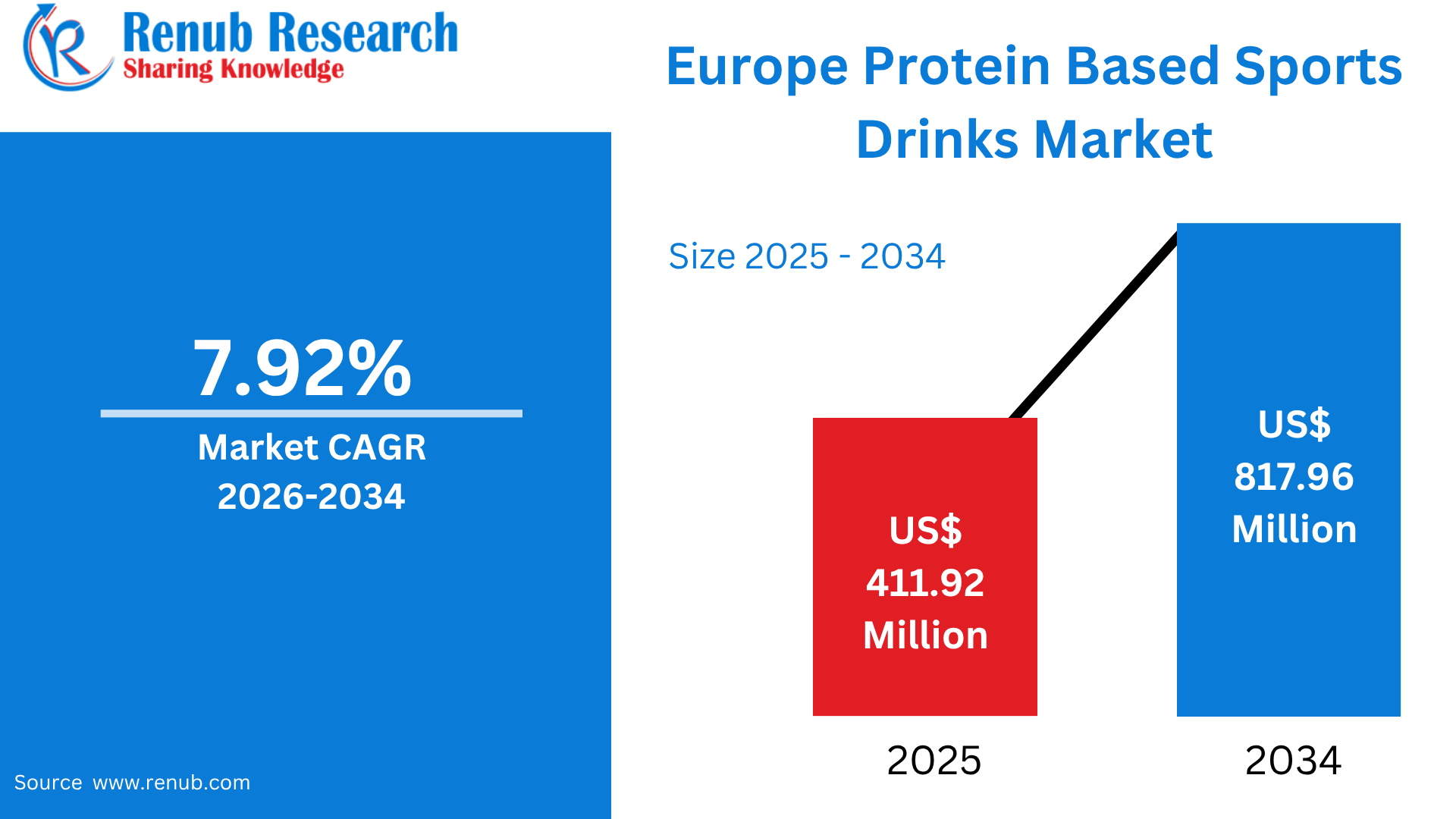
Europe Protein-Based Sports Drinks Market Outlooks
Sports drinks containing protein serve the purpose of enhancing muscle recovery and development by conveniently supplying protein along with water to the consumer. Such beverages usually include proteins like whey or casein and plant proteins such as soy, pea, or rice proteins, as well as important amino acids and vitamins and sometimes electrolytes. Contrary to regular sports drinks, which mostly offer energy and hydration, protein-based drinks are taken after exercising to ensure proper muscle recovery and prevent muscle fatigue. Such beverages are particularly popular among athletes, bodybuilders, and those who practice strength training.
The trend toward taking protein-based sports drinks is especially prevalent in Europe owing to the rising concern about healthy lifestyles, nutrition, and fitness among consumers. People have become much more aware about the importance of taking an adequate amount of proteins within the diet for maintaining muscles and staying healthy. Furthermore, the rise of gym cultures and sports activity has contributed greatly to increased demand for such products. The inclination toward plant-based products and the prevalence of clean labels also contribute to this trend.
Growth Driver in the Europe Protein-Based Sports Drinks Market
Rising Fitness Culture and Demand for Muscle Recovery
In regards to the European fitness industry, as evidenced by the EuropeActive Market Report 2025, the numbers have reached an all-time high, amounting to 71.6 million in 2024. The growing tendency of using gyms, bodyweight workouts, and high-intensity interval training has led to an increase in the need for protein consumption that would be easily accessible. Today's consumers recognize the significance of post-workout nutrition, primarily the role of proteins in promoting proper muscle development and repair. Protein drinks present an efficient and readily absorbable alternative to solid food. The trend proves even more relevant when considering the growing demands of modern urban populations. Moreover, various fitness clubs and professional trainers often emphasize the necessity of consuming protein products as a means of optimizing one's health and athletic performance. The impact of the popularization of fitness culture via social media should not be underestimated either.
Growing Preference for Functional and Nutritional Beverages
Increasingly, European customers are opting for beverages that offer additional health-related benefits aside from quenching their thirst. Functional protein-based sports drinks would, therefore, be perfectly aligned with current consumer preferences, as they can provide nutritional benefits like muscle recovery, appetite control, and energy sustenance. Customers are seeking beverages that meet their nutrition goals, such as those that are high in protein, low in sugar content, and fortified with vitamins and minerals. The demand for healthy yet convenient food products, especially among millennials, has been increasing. Manufacturers have responded to this trend through innovations that incorporate ingredients like vitamins, amino acids, and plant-based proteins. Consumers' preference for clean labels has also influenced producers to formulate products using natural and unprocessed ingredients. Additionally, the utilization of protein-based sports drinks not only after physical exercise but in other aspects of everyday life has increased their consumption instances. The newly launched Glanbia Grenade Energy RTD in February 2024 contains 23 grams of whey isolate protein and 150 mg of caffeine, targeting individuals in the office environment who tend not to have breakfast. On the other hand, the EFSA's regulatory framework ensures that those marketed as meal replacements meet certain micronutrient requirements.
Expansion of Plant-Based and Sustainable Product Offerings
The emergence of plant-based eating trends in Europe is yet another crucial factor driving the protein-based sports drink market. The trend toward adopting a lifestyle that is either vegan, vegetarian, or flexitarian, for health reasons or out of environmental or ethical concerns, is gaining popularity amongst consumers. This is resulting in higher demand for protein drinks that are based on plant proteins made from ingredients like peas, soy, or almonds. Producers are responding to this trend by offering new products that appeal to customers' tastes and are equally nutritious. Being sustainable and using packaging material and ingredients that have been sourced responsibly is essential when marketing protein sports drinks in Europe. It is beneficial for brands in terms of marketing and gives them an edge over their competition. Regulations favoring sustainable development initiatives in Europe further incentivize producers in the industry. Alpro Sport was released by the company Danone in March 2024 as a sports drink for flexitarians that contains a combination of pea protein and rice protein offering 20 grams of protein with a full amino acid content. The drink has received certification as an organic product and is being sold at EUR 2.80 per 330 milliliters.
Challenges Europe Protein-Based Sports Drinks Market
High Product Costs and Price Sensitivity
One of the primary obstacles faced by the protein-based sports drinks industry in Europe is the relatively expensive nature of such products. The ingredients used in such drinks are more expensive than those in standard beverages. The increased expenses are mainly attributed to the higher costs associated with the production of whey proteins and plant-based proteins, which form the key ingredients in protein-based sports drinks. Such factors increase the final price paid by the consumer, thus limiting their accessibility. The majority of consumers who opt to buy protein-based drinks in European countries compare them with relatively cheaper drinks such as sports drinks and flavored water. Consumers who are affected by economic uncertainty might cut down on such expensive drinks. Regular purchase of protein-based sports drinks can be expensive in the long run.
Taste, Texture, and Consumer Acceptance Issues
Although these products offer several advantages in terms of nutrition, they might pose a problem when it comes to taste and texture. In general, protein ingredients, especially from plants, have a tendency to make the drink chalky in texture, not to mention that they give off an undesirable aftertaste. For new customers, such factors might serve as significant hindrances to the purchase and consumption of the product. Although companies are developing ways to enhance both the taste and the formulation of these beverages, this aspect might prove difficult. Moreover, there is a variety of consumer preferences in Europe; therefore, these products need to be adjusted to fit specific areas. Finally, previous negative experiences with other sports drinks might deter customers from purchasing the same product again.
Europe RTD Protein Based Sports Drinks Market
Prepared protein sports drinks are witnessing significant traction in the European region due to their convenience and instant consumption advantages. These products do not require any powder mixing, which makes them an excellent choice for busy individuals. Pre-packed protein sports drinks have a huge demand in the fitness community, offices, and other places where people want to consume proteins instantly. The industry is witnessing advancements in flavor development, product stability, and enhanced nutritional formulation, such as low sugar and lactose-free variants. Furthermore, appealing packaging and serving sizes contribute to improved consumer experience. Availability in retail stores is also contributing to market growth. With increasing consumer preference for convenient yet nutritious products, pre-packed protein sports drinks are witnessing rising demand.
Europe Animal-based Protein Sports Drinks Market
The leading products in the market are the protein sports drinks based on animals, such as whey and casein. They have been chosen because of their high biological value and completeness of amino acids. Moreover, proteins have proved their efficiency in terms of muscle restoration and muscle mass development. For instance, whey protein is especially appreciated for its fast digestion. The current popularity can be explained by the consumers' trust towards dairy products and the availability of production in Europe. It is important to mention that the developers aim at increasing the drink's digestibility and minimizing the quantity of lactose to make the product accessible to everyone. Additionally, flavor and formulation innovations are used to keep consumers interested. Thus, despite the growing number of alternative plant-based drinks, animal-based products remain prevalent in the market.
Europe Protein Sports Cans Drinks Market
Sports drinks containing proteins packed in canned form represent one of the new categories gaining popularity in Europe. The advantage of sports protein drinks in cans is that they combine the advantages of protein nutrition with the sustainability of the aluminum pack. Products packed in cans attract young people and city residents because cans look modern, convenient, and environmentally friendly. Aluminum cans are easily recyclable, which matches the environmental consciousness of Europeans. Moreover, they offer good protection from light and oxidation, which preserves drink quality and prolongs shelf life. To attract more customers, companies try to make their brands unique through design solutions and marketing campaigns. There is no resealability problem associated with plastic bottles, but canned drinks are more expensive.
Europe Protein Sports Drinks Supermarkets & Hypermarkets Market
Supermarkets and hypermarkets continue to be the leading distribution channels for protein sports drinks in Europe. They have an extensive selection of goods at reasonable prices that consumers can conveniently buy in one place. Consumers tend to buy protein drinks at these stores because they can choose different brands, read the labeling information, and make use of special promotions. Retailers typically allocate special places in their stores for health and wellness products, thereby increasing the visibility of protein drinks. In addition, store brands launched by retailers themselves are becoming increasingly popular because they are more affordable. The availability of informed employees and in-store advertising also affect purchasing decisions. With the rise in consumer interest in functional beverages, supermarkets and hypermarkets will remain important for the distribution of protein drinks and contribute to the development of the market.
Europe Protein Sports Post-Workout Drinks Market
Post-workout protein sports drinks are an important part of the European market because they are increasingly becoming crucial for muscle recovery. They are developed to replenish nutrients that get lost during workouts and promote muscle growth by providing high protein content. Other ingredients found in post-workout protein drinks include BCAAs, vitamins, and electrolytes that improve recovery properties. Post-workout protein sports drinks are highly favored by those who work out in gyms and athletes involved in strength training. An increased level of fitness consciousness and growing awareness about the need for proper nutrition after workout sessions have increased the popularity of post-workout protein drinks. It has made consumers incorporate them into their workout plans for effective results. Post-workout protein drinks are expected to record steady demand owing to growing fitness awareness in the region.
France Protein Sports Drinks Market
There are steady developments in the protein sports drinks market in France, fueled by increased health consciousness and fitness culture among other elements. Consumers in France are slowly integrating protein drinks in their daily habits, especially with regards to muscle recovery and maintaining good health in general. Clean label products have gained traction with natural and organic ingredients becoming key drivers in the market. Moreover, there are emerging trends of consumption of plant-based proteins amid the increased uptake of flexitarian and vegetarian diets. Protein sports drinks are distributed via supermarkets, health food stores, and even online channels to ensure reachability in urban and semi-urban locations. The regulations in France calling for a reduction in sugar levels have also spurred development in this market. Market approaches that emphasize wellness and sustainability have proved quite effective. With increased awareness on protein consumption, the France protein sports drinks market will develop further in the coming years.
United Kingdom Protein Sports Drinks Market
The UK protein sports drinks market is experiencing rapid growth due to the presence of a healthy fitness culture among consumers and their rising awareness about nutritional values. Membership of gyms, workout at homes, and involvement in various sporting activities have increased demand for drinks rich in protein. The trend-conscious consumers are extremely sensitive towards dietary fads like high protein, low-sugar content, and vegetarian nutrition among others. This has given way to the launch of several innovations such as vegan protein drinks and beverages that provide vitamins and amino acids. Government policies to reduce sugar consumption in drinks have also contributed towards innovation within the market. The market enjoys robust distribution networks in the form of supermarkets, convenience shops, and online shopping websites. Effective branding strategies, celebrity endorsement, and other promotional campaigns also drive success of the products. Given the current trends and prospects of innovation in the near future, the market should sustain strong growth over the coming years.
Germany Protein Sports Drinks Market
Germany is one of the most promising markets in Europe for protein sports drinks due to its advanced consumer health awareness, fitness, and nutrition knowledge. Germany has a highly developed fitness sector, where numerous gyms, sports clubs, and wellness centers contribute to the steady demand for protein sports drinks. Germans are known for their tendency to choose products that are based on scientific principles and provide certain nutritional value, thus promoting an upward trend for premium protein drinks. Moreover, consumers are environmentally conscious, preferring products packaged using environmentally friendly materials and sourcing ingredients through sustainable processes. Both plant-based and whey protein sports drinks are popular among German consumers. Retail distribution channels include physical stores such as supermarkets and health food stores and digital retail platforms.
Russia Protein Sports Drinks Market
In Russia, the market of protein-based drinks is slowly evolving because of the rise of urbanization and fitness consciousness. Although not as advanced as that of Western Europe, demand for these products in Russia is currently on the rise due to the adoption of the healthy lifestyle trend, as well as the popularity of sports clubs and gyms. Young people are one of the primary customer segments for these products, as they prefer consuming nutritious drinks for muscle recovery and overall health. Prices play a crucial role, and customers usually select low-priced items. Nevertheless, there has been a shift towards high-end drinks that include premium products imported from abroad. Moreover, consumers have begun to appreciate the variety of flavors and functions of protein drinks. The number of places where these drinks can be purchased has been growing, which includes both traditional stores as well as online shops. Thus, the Russia protein sports drinks market will keep growing steadily due to increased awareness of proteins' benefits.
Europe Protein Based Sports Drinks Market Segments
Product Type
- Ready-to-Drink
- Powdered Drinks
- Concentrates
Source
- Animal-based Protein
- Plant-based Protein
Packaging Type
- Bottles
- Tetra Packs
- Cans
- Sachets & Pouches
Distribution Channel
- Online Retailers
- Supermarkets & Hypermarkets
- Convenience Stores
- Specialty Stores
- Pharmacies & Drug Stores
- Direct Sales
Application
- Pre-Workout Drinks
- Post-Workout Drinks
- Meal Replacement Drinks
- Endurance Drinks
Countries
- France
- Germany
- Italy
- Spain
- United Kingdom
- Belgium
- Netherlands
- Russia
- Poland
- Greece
- Norway
- Romania
- Portugal
- Rest of Europe
All companies have been covered with 5 Viewpoints
- Overviews
- Key Person
- Recent Developments
- SWOT Analysis
- Revenue Analysis
Key Players Analysis
- All in nutrition GmbH
- Come Ready Foods LLC
- Farmers Co-operative Dairy Limited
- Millenium Group
- Nestle S.A.
- NuLabs
- PepsiCo, Inc.
- Protein2o Inc.
- The Vita Coco Company Inc.
- Vyomax Nutrition Limited
Report Details:
| Report Features | Details |
| Base Year |
2024 |
| Historical Period |
2020 - 2024 |
| Forecast Period |
2025 - 2033 |
| Market |
US$ Million |
| Segment Covered |
By Product Type, By Source, By Packaging, By Distribution Channel, By Application and By Country |
| Countries Covered |
|
| Companies Covered |
|
| Customization Scope |
20% Free Customization |
| Post-Sale Analyst Support |
1 Year (52 Weeks) |
| Delivery Format |
PDF and Excel through Email (We can also provide the editable version of the report in PPT/Word format on request) |
Customization Services available
- Analysis of Market Size and Its Segments
- More Company Profiles (Upto 10 without any additional cost):
- Additional Countries (Other than mentioned Countries):
- Region/Country Specific Reports:
- Market Entry Strategy:
- Region-Specific Market Dynamics:
- Regional Market Share Analysis:
- Trade Analysis:
- Production Insights:
- Others Customized Requests:
For more information contact our analysts.
Need More Assistance?
- Talk to our analysts to get more precious information on the current market trends.
- Include more countries and segments and customize the report based on the final requirement.
- Get a competitive advantage in your industry by knowing the report findings and making a positive impact on your revenues and operations.
- Our analysts are always ready to provide more help and pertinent information if you need any additional assistance.