Europe Powder Dietary Supplements Market Report by Type, Distribution Channel, Countries and Company Analysis 2026-2034
Buy NowEurope Powder Dietary Supplements Market Size and Forecast
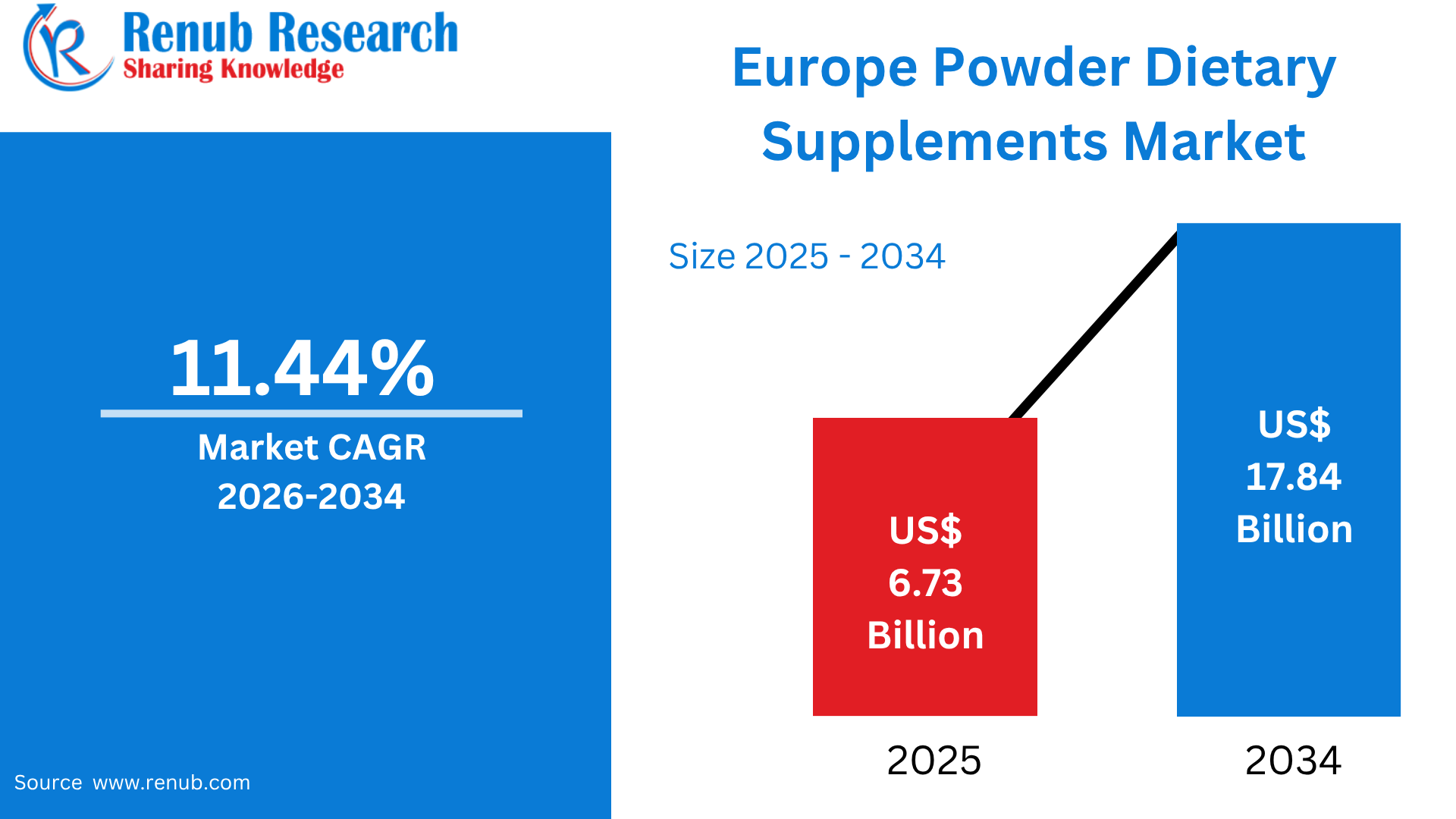
Europe Powder Dietary Supplements Market is projected to grow from US$ 6.73 billion in 2025 to US$ 17.84 billion by 2034, registering a compound annual growth rate (CAGR) of 11.44% during the forecast period from 2026 to 2034. Market growth is being driven by increasing consumer awareness of preventive healthcare, rising demand for sports nutrition products, and a growing preference for clean-label, plant-based, and scientifically formulated dietary supplements. The expanding adoption of e-commerce platforms, coupled with continuous product innovation, personalized nutrition trends, and the introduction of premium powder formulations, is further accelerating market expansion.
What are Powder Dietary Supplements?
Powder dietary supplements are concentrated nutritional products formulated in powdered form to deliver essential nutrients such as proteins, vitamins, minerals, probiotics, amino acids, collagen, fiber, herbal extracts, and other functional ingredients. They are typically mixed with water, milk, juice, or smoothies, providing a convenient and versatile way to supplement daily nutrition. Powder supplements are widely used to support muscle recovery, immune function, digestive health, weight management, bone health, healthy aging, and overall wellness. Compared to tablets and capsules, powder formulations often offer higher ingredient concentrations, flexible serving sizes, faster absorption, and the ability to combine multiple nutrients in a single serving, making them suitable for a broad range of consumers.
In Europe, powder dietary supplements have become increasingly popular due to rising health awareness, aging populations, and growing interest in preventive healthcare. Consumers across Germany, France, the United Kingdom, Italy, and Spain are actively adopting protein powders, collagen supplements, probiotics, meal replacement powders, and botanical nutrition blends to support active lifestyles and long-term health. The region’s strong fitness culture has significantly increased demand for sports nutrition products, while growing interest in plant-based diets has accelerated the adoption of vegan protein powders and natural formulations. European consumers also place high importance on clean-label products, scientifically validated ingredients, and sustainable sourcing. Additionally, expanding e-commerce platforms, pharmacy distribution networks, and personalized nutrition solutions continue to improve accessibility and drive the widespread popularity of powder dietary supplements across Europe.
Top Countries' share of the population aged 65 years and over between 2015 and 2025
- Albania (AL) – 8.8 percentage points
- North Macedonia (MK) – 5.9 percentage points
- Poland (PL) – 5.6 percentage points
- Serbia (RS) – 4.8 percentage points
- Lithuania (LT) – 4.7 percentage points
- Slovakia (SK) – 4.3 percentage points
- Hungary (HU) – 4.2 percentage points
- Romania (RO) – 4.2 percentage points
- Portugal (PT) – 3.9 percentage points
- Croatia (HR) – 3.8 percentage points
Growth Driver
Aging Population and Rising Preventive Healthcare Awareness
Europe’s rapidly aging population is one of the strongest growth drivers for the powder dietary supplements market. According to demographic estimates, more than 21% of Europe’s population is aged 65 years or older, making it one of the oldest regions globally. Aging consumers increasingly seek nutritional products that support bone health, muscle strength, immunity, cardiovascular wellness, cognitive function, and healthy aging. Powder dietary supplements containing proteins, collagen, calcium, vitamin D, probiotics, and omega-3 ingredients have become popular because they are easy to consume, particularly among elderly individuals who may experience difficulty swallowing tablets. Governments and healthcare organizations across Europe continue promoting preventive healthcare to reduce the burden of chronic diseases such as osteoporosis, diabetes, and cardiovascular disorders. Rising healthcare expenditure and increasing awareness of nutrition’s role in disease prevention have encouraged consumers to incorporate dietary supplements into their daily routines. Growing life expectancy, higher disposable incomes, and increased health consciousness among middle-aged consumers are further supporting long-term demand for premium powder dietary supplements throughout the European market.
Expanding Sports Nutrition and Active Lifestyle Culture
The growing popularity of sports, fitness, and healthy lifestyles is significantly driving Europe’s powder dietary supplements market. Europe has millions of gym members and one of the world’s largest sports nutrition consumer bases, supported by increasing participation in recreational fitness, cycling, running, football, and endurance sports. Protein powders, amino acid blends, electrolyte supplements, meal replacement powders, and recovery formulations have become essential components of fitness routines among both professional athletes and recreational users. Young adults and working professionals increasingly use protein supplements to improve muscle recovery, maintain healthy body weight, and enhance athletic performance. The growing adoption of home workouts and digital fitness platforms has further expanded supplement consumption beyond traditional gym users. Additionally, Europe’s rapidly expanding vegan and flexitarian population has accelerated demand for plant-based protein powders made from pea, soy, oat, hemp, and rice proteins. Manufacturers continue introducing clean-label, sugar-free, lactose-free, and allergen-friendly formulations to meet evolving consumer preferences, supporting sustained growth in sports nutrition across the region.
Growth of E-commerce and Personalized Nutrition Solutions
Digital transformation is reshaping Europe’s powder dietary supplements market through expanding e-commerce platforms and personalized nutrition services. Europe has internet penetration exceeding 90% in many Western European countries, enabling consumers to conveniently purchase nutritional supplements through online retailers, pharmacy websites, and direct-to-consumer platforms. E-commerce provides wider product selection, competitive pricing, subscription-based purchasing, and access to international brands, encouraging repeat purchases. Personalized nutrition has also emerged as a major market trend, with companies offering customized supplement formulations based on lifestyle, age, fitness goals, genetic testing, and health assessments. Artificial intelligence, wearable fitness devices, and mobile health applications help consumers identify nutritional deficiencies and recommend tailored powder supplement combinations. Online nutrition consultations and virtual wellness coaching have further strengthened consumer confidence in personalized supplementation. Manufacturers continue investing in digital marketing, subscription services, and customized product offerings to improve customer retention. These technological advancements are expected to remain significant contributors to the long-term expansion of Europe’s powder dietary supplements market.
Challenge
Strict Regulatory Framework and Complex Product Approval Processes
Europe maintains one of the world’s most stringent regulatory environments for dietary supplements, creating significant challenges for manufacturers. Products marketed across the European region must comply with regulations covering ingredient safety, labeling requirements, health claims, contaminants, manufacturing quality, and product traceability. The European Union Nutrition and Health Claims Regulation (EC No. 1924/2006) allows only scientifically substantiated health claims, requiring companies to invest heavily in clinical research and regulatory documentation before commercialization. Introducing new botanical extracts, functional ingredients, or innovative formulations often involves lengthy scientific evaluations and approval procedures, increasing development costs and delaying product launches. Regulatory differences between EU member states regarding product classification and national notification requirements can also complicate cross-border market expansion. Small and medium-sized manufacturers frequently face financial and administrative barriers associated with regulatory compliance. Although these regulations enhance consumer confidence and ensure product quality and safety, they also reduce product development flexibility and increase operational expenses, presenting a persistent challenge for industry participants.
Rising Raw Material Costs and Supply Chain Volatility
Fluctuating raw material prices and supply chain disruptions remain major challenges for Europe’s powder dietary supplements market. Many manufacturers depend on imported ingredients such as whey protein, botanical extracts, probiotics, amino acids, collagen peptides, vitamins, and specialty minerals sourced from global suppliers. Volatility in agricultural production, energy prices, transportation costs, and international trade conditions has significantly increased manufacturing expenses over recent years. Rising inflation across several European economies has also affected packaging materials, logistics, and labor costs, placing additional pressure on profit margins. Premium clean-label ingredients, organic certifications, and sustainable sourcing practices further increase production costs. Manufacturers often face the difficult decision of absorbing higher costs or increasing retail prices, which may reduce consumer demand in price-sensitive market segments. Supply chain disruptions can also delay product availability and inventory replenishment, particularly for specialty nutritional ingredients. Companies are increasingly diversifying supplier networks, investing in regional sourcing, and improving inventory management to strengthen supply chain resilience and maintain consistent product availability.
Powder Dietary Supplements Product Launches in Europe
- March 2025 – MyProtein (United Kingdom) launched Clear Vegan Protein, a plant-based protein powder formulated with pea protein isolate and fruit flavors, targeting vegan consumers seeking high-protein, low-sugar nutritional supplements.
- January 2025 – Bulk™ (United Kingdom) introduced Complete Greens+ Powder, a superfood supplement containing over 40 fruits, vegetables, probiotics, digestive enzymes, and vitamins to support daily nutrition and gut health.
- October 2024 – Huel (United Kingdom) expanded its portfolio with Huel Daily Greens Powder, featuring more than 90 vitamins, minerals, probiotics, adaptogens, and botanical extracts designed for comprehensive daily nutrition.
- September 2024 – Foodspring (Germany) launched Vegan Protein+, a clean-label protein powder combining pea, sunflower, and fava bean proteins to support muscle recovery and sustainable nutrition.
- July 2024 – Optimum Nutrition (Europe) introduced Gold Standard Plant Protein Powder, providing a blend of pea, rice, and fava bean proteins for athletes and fitness enthusiasts seeking dairy-free performance nutrition.
- May 2024 – Nutrend (Czech Republic) released Hydro Whey Protein Isolate, an advanced hydrolyzed whey protein powder designed to promote faster absorption, muscle recovery, and post-workout performance.
- April 2024 – Applied Nutrition (United Kingdom) launched Critical Greens Powder, a comprehensive blend of greens, fruits, probiotics, digestive enzymes, and antioxidants developed to support immunity and digestive health.
- February 2024 – Purasana (Belgium) introduced Organic Collagen Booster Powder, combining plant extracts, vitamin C, hyaluronic acid, and antioxidants to support healthy skin, joints, and connective tissues.
- November 2023 – ESN (Germany) launched Designer Vegan Protein, a premium plant-based protein powder containing pea, sunflower, and hemp proteins, targeting consumers focused on sports nutrition and clean-label products.
- September 2023 – Reflex Nutrition (United Kingdom) introduced 100% Plant-Based Protein Powder, featuring a blend of pea and brown rice proteins enriched with digestive enzymes and essential amino acids to support muscle maintenance and active lifestyles.
Strong Consumer Awareness Supporting Market Leadership
Europe Vitamins Supplements Market represents one of the largest segments of the regional dietary supplements industry, driven by increasing preventive healthcare awareness, aging demographics, and rising demand for immune-support products. Vitamin supplements—including vitamins D, C, B-complex, A, E, and multivitamins—are widely consumed to address nutritional deficiencies, improve immunity, bone health, cardiovascular wellness, and healthy aging. Europe has one of the world’s oldest populations, with more than 21% of its population aged 65 years or older, significantly increasing demand for vitamin D and calcium supplementation for bone health. Additionally, studies indicate that 30–60% of Europeans experience insufficient vitamin D levels, encouraging routine supplementation, particularly during winter months. Consumers are increasingly seeking clean-label, vegan, sugar-free, and organic vitamin formulations available in powder formats for improved convenience and faster absorption. Germany, the United Kingdom, France, Italy, and Spain remain the largest consuming markets due to high healthcare awareness, well-established retail infrastructure, and expanding online supplement sales. Continuous product innovation and personalized nutrition solutions are expected to sustain long-term market expansion.
Sports Nutrition and Healthy Aging Driving Demand
Europe Proteins and Amino Acids Market is expanding steadily as consumers increasingly prioritize muscle health, active lifestyles, weight management, and healthy aging. Protein powders and amino acid supplements—including whey protein, casein, soy protein, pea protein, branched-chain amino acids (BCAAs), and essential amino acids (EAAs)—are widely used by athletes, fitness enthusiasts, older adults, and individuals seeking balanced nutrition. Europe has witnessed substantial growth in health club memberships, endurance sports participation, and recreational fitness activities, creating sustained demand for protein-based supplements. Plant-based nutrition is becoming particularly significant, supported by Europe’s rapidly expanding vegan and flexitarian population. Several European countries report 2–3% of their populations following vegan diets, while millions more identify as flexitarian consumers seeking sustainable protein alternatives. Clinical nutrition applications are also increasing, with protein supplementation recommended for sarcopenia prevention, post-surgical recovery, and elderly nutrition. Manufacturers continue introducing lactose-free, allergen-free, clean-label, and sustainably sourced protein powders to meet evolving consumer preferences. Premium formulations featuring collagen peptides, fermented proteins, and personalized amino acid blends are further supporting market growth across Europe.
Gut Health Awareness Accelerating Supplement Adoption
Europe Probiotics Market has become one of the fastest-growing categories within dietary supplements as consumers increasingly recognize the relationship between gut microbiota, immunity, digestion, and overall health. Powder probiotic supplements containing Lactobacillus, Bifidobacterium, and multi-strain formulations are widely consumed to improve digestive health, strengthen immune function, and support metabolic wellness. Scientific research linking gut microbiome balance with immune response and mental well-being has significantly increased consumer acceptance of probiotic supplementation. Europe records millions of digestive disorder cases annually, including irritable bowel syndrome (IBS), lactose intolerance, and inflammatory bowel diseases, contributing to higher probiotic consumption. Healthcare professionals increasingly recommend probiotics following antibiotic therapy to restore intestinal microbiota. Growing demand for pediatric probiotics, women’s health probiotics, and senior nutrition products is expanding the consumer base. Manufacturers continue developing shelf-stable powder formulations, synbiotic products combining probiotics with prebiotics, and clinically validated strains supported by scientific research. Continuous innovation, expanding pharmacy availability, and increasing consumer preference for preventive digestive healthcare are expected to drive sustained market growth across Europe.
High Consumer Accessibility Driving Sales
Europe Powder Dietary Supplements Supermarkets/Hypermarkets Market remains an important retail distribution channel due to its extensive consumer reach, competitive pricing, and broad product assortment. Supermarkets and hypermarkets offer protein powders, vitamin supplements, collagen powders, probiotics, meal replacements, sports nutrition products, and plant-based nutritional blends under both international and private-label brands. Europe has tens of thousands of supermarket and hypermarket outlets, operated by major retailers such as Carrefour, Tesco, Edeka, Lidl, Aldi, Auchan, and Kaufland, ensuring widespread product accessibility across urban and suburban regions. Promotional campaigns, loyalty programs, seasonal discounts, and attractive shelf placement encourage impulse purchases and repeat buying. Growing consumer preference for one-stop shopping has further strengthened supplement sales through mass retail channels. Retailers are increasingly expanding dedicated wellness aisles featuring organic, vegan, gluten-free, and clean-label nutritional products to meet evolving consumer preferences. In addition, collaborations between retailers and supplement manufacturers for exclusive product launches and private-label nutrition ranges continue supporting the expansion of powder dietary supplement sales through supermarkets and hypermarkets across Europe.
Trusted Healthcare Channel Supporting Premium Products
Europe Powder Dietary Supplements Pharmacies and Drug Stores Market continues to dominate premium dietary supplement sales because consumers associate pharmacies with product safety, professional guidance, and clinically validated nutrition solutions. Powder dietary supplements sold through pharmacies include medical nutrition products, protein supplements, probiotics, collagen powders, vitamin formulations, electrolyte powders, and specialized nutritional products recommended by healthcare professionals. Europe has more than 160,000 community pharmacies, providing extensive access to professionally recommended dietary supplements across both urban and rural markets. Pharmacists play a critical role in advising consumers regarding supplement selection, dosage, potential drug interactions, and nutritional deficiencies, strengthening customer confidence. Aging populations, increasing chronic disease prevalence, and growing physician recommendations for nutritional supplementation have further expanded pharmacy sales. Many pharmacy chains have also introduced private-label supplement brands offering high-quality products at competitive prices. Integration of digital pharmacy platforms, click-and-collect services, and online prescription support has improved consumer convenience while maintaining professional consultation. These factors continue to position pharmacies and drug stores as one of the most trusted and fastest-growing distribution channels for powder dietary supplements in Europe.
France Growing Preference for Natural and Premium Wellness Products
France Powder Dietary Supplements Market is experiencing steady growth, driven by strong consumer demand for natural, plant-based, and clean-label nutritional products. France is one of Europe’s leading wellness markets, supported by increasing awareness of preventive healthcare and healthy aging. More than 21% of the French population is aged 65 years and above, contributing to rising demand for powder supplements targeting bone health, immunity, digestive wellness, and muscle maintenance. Probiotic powders, collagen supplements, botanical extracts, vitamins, and protein formulations are among the fastest-growing product categories. Pharmacies continue to dominate distribution due to the high level of consumer trust in pharmacist recommendations and clinically supported products. French consumers increasingly prefer supplements featuring organic ingredients, transparent labeling, and scientifically validated formulations. Premium beauty-from-within products, particularly marine collagen and antioxidant powders, are gaining popularity among younger consumers. Although France maintains strict regulatory standards for dietary supplements, ensuring high product quality and consumer safety, these regulations can extend product approval timelines. Continuous innovation and premiumization continue to strengthen market growth.
Scientific Innovation and Fitness Trends Driving Germany Demand
Germany Powder Dietary Supplements Market represents one of Europe’s largest and most mature dietary supplement industries, supported by high healthcare awareness, strong purchasing power, and growing interest in preventive nutrition. Germany has a population of over 84 million people, with approximately 22% aged 65 years or older, creating sustained demand for nutritional supplements that support healthy aging and chronic disease prevention. Powder dietary supplements including protein powders, amino acids, probiotics, collagen, vitamins, and sports nutrition products are widely consumed. Germany’s expanding fitness industry and increasing participation in recreational sports continue to drive strong demand for whey protein, plant-based proteins, and recovery supplements. Consumers demonstrate a strong preference for clean-label, vegan, lactose-free, and allergen-free formulations backed by scientific evidence and clinical research. Pharmacies, drugstores, specialty nutrition retailers, and rapidly growing e-commerce platforms remain major distribution channels. Germany’s strict quality regulations promote consumer confidence while encouraging manufacturers to invest in research, innovation, and premium nutritional solutions.
Traditional Herbal Practices Supporting Modern Nutrition in Italy
Italy Powder Dietary Supplements Market is expanding steadily due to increasing consumer interest in preventive healthcare, digestive wellness, sports nutrition, and immune support. Italy combines a long-standing tradition of herbal medicine and phytotherapy with modern nutritional science, encouraging widespread adoption of botanical powder supplements, probiotics, collagen, vitamins, and protein formulations. Approximately 24% of Italy’s population is aged 65 years and above, making healthy aging one of the country’s key healthcare priorities and driving demand for nutritional supplementation. Rising gym memberships and active lifestyle trends are also increasing consumption of protein powders and amino acid supplements. Pharmacies remain the primary distribution channel due to their trusted healthcare role, while health food stores and online retailers continue expanding market accessibility. Italian consumers value premium-quality products manufactured with natural ingredients, traceable sourcing, and clinically supported formulations. Continuous innovation in personalized nutrition and scientifically formulated supplements, combined with growing consumer awareness of preventive healthcare, is expected to sustain long-term market growth throughout Italy.
Active Lifestyles and Digital Retail Fueling Spain Expansion
Spain Powder Dietary Supplements Market is witnessing robust growth, supported by rising health awareness, increasing sports participation, and growing consumer demand for convenient nutritional products. Spain has a population exceeding 49 million, with approximately 21% of residents aged 65 years and above, creating strong demand for supplements supporting healthy aging, immunity, bone health, and muscle maintenance. Powder dietary supplements such as protein powders, electrolyte blends, probiotics, collagen, and vitamin formulations are becoming increasingly popular among fitness enthusiasts, working professionals, and older adults. Growing participation in recreational sports, cycling, running, and gym-based fitness activities continues to boost sports nutrition consumption. Pharmacies remain highly trusted retail channels, while e-commerce platforms are experiencing rapid growth due to increasing digital adoption among younger consumers. Spanish buyers increasingly prefer clean-label, plant-based, sugar-free, and naturally formulated supplements with scientifically supported health benefits. Competitive pricing, expanding product availability, and continuous innovation are expected to strengthen Spain’s position as one of the fastest-growing powder dietary supplement markets in Southern Europe.
Recent Developments in Europe Powder Dietary Supplements Market
- In April 2024, Naturacare announced plans to showcase its full manufacturing capabilities and unveil four new products—Vital Extend, Bacti Serenity, Electrolytes, and Ovo Immune—at Vitafoods Europe 2024. By leveraging this prominent industry event, the company aims to create strong visibility for its innovations, generate market buzz, and reinforce its commitment to high-quality production and advanced product development.
- In February 2023, the Italian complementary medicine company Comple.med expanded its portfolio with the launch of Lactoflor Immuno 200, the first European supplement featuring IMMUSE. The formulation combines IMMUSE with lactoferrin and vitamin D3, highlighting the company’s focus on delivering science-driven, innovative solutions within the phytotherapy and food supplement sector.
Europe Powder Dietary Supplements Market Segments
Type
- Vitamins
- Minerals
- Proteins and Amino Acids
- Herbal Supplements
- Fatty Acids
- Probiotics
- Other Types
Distribution Channel
- Supermarkets/Hypermarkets
- Pharmacies and Drug Stores
- Convenience/Grocery Stores
- Online Retail Stores
- Other Distribution Channels
Countries
- France
- Germany
- Italy
- Spain
- United Kingdom
- Belgium
- Netherlands
- Russia
- Poland
- Greece
- Norway
- Romania
- Portugal
- Rest of Europe
All companies have been covered with 5 Viewpoints
- Overviews
- Key Person
- Recent Developments
- SWOT Analysis
- Revenue Analysis
Key players
- Abbott Laboratories
- Amway Corp.
- Nestle Health Science
- Glanbia plc
- THG Nutrition
- Maxinutrition
- Herbalife Nutrition Ltd.
- NOW Foods
- Nutrend
Report Details:
| Report Features | Details |
| Base Year |
2024 |
| Historical Period |
2021 - 2024 |
| Forecast Period |
2025 - 2033 |
| Market |
US$ Billion |
| Segment Covered |
Type, Distribution Channel and Countries |
| Countries Covered |
|
| Companies Covered |
|
| Customization Scope |
20% Free Customization |
| Post-Sale Analyst Support |
1 Year (52 Weeks) |
| Delivery Format |
PDF and Excel through Email (We can also provide the editable version of the report in PPT/Word format on request) |
Customization Services available
- Analysis of Market Size and Its Segments
- More Company Profiles (Upto 10 without any additional cost):
- Additional Countries (Other than mentioned Countries):
- Region/Country Specific Reports:
- Market Entry Strategy:
- Region-Specific Market Dynamics:
- Regional Market Share Analysis:
- Trade Analysis:
- Production Insights:
- Others Customized Requests:
For more information contact our analysts.
Need More Assistance?
- Talk to our analysts to get more precious information on the current market trends.
- Include more countries and segments and customize the report based on the final requirement.
- Get a competitive advantage in your industry by knowing the report findings and making a positive impact on your revenues and operations.
- Our analysts are always ready to provide more help and pertinent information if you need any additional assistance.